
About the former Taisha Station building,
a national Important Cultural Property.
About
First opened in 1912, Former Taisha Station welcomed travelers for 78 years as the main gateway to Izumo Taisha.
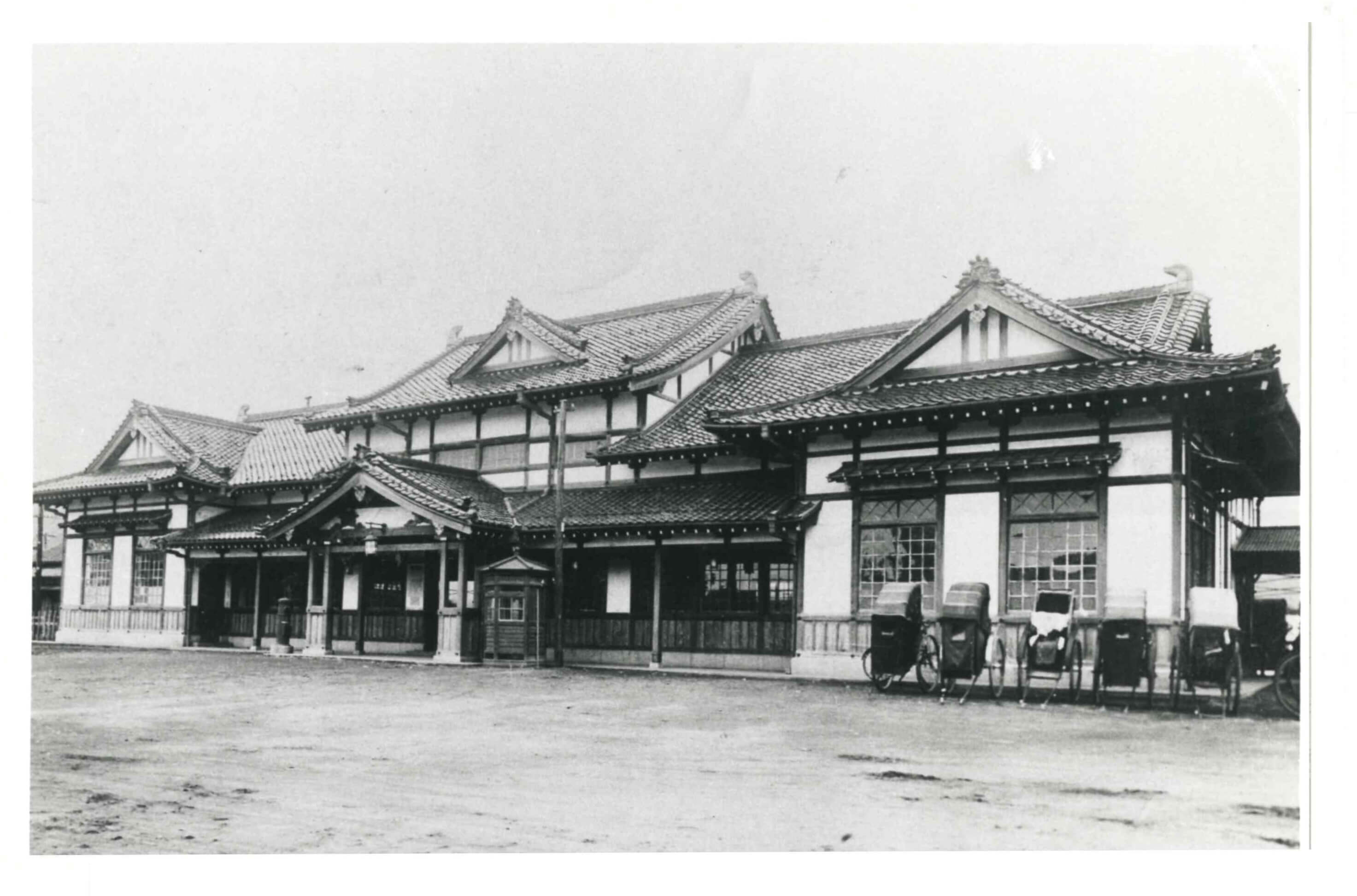
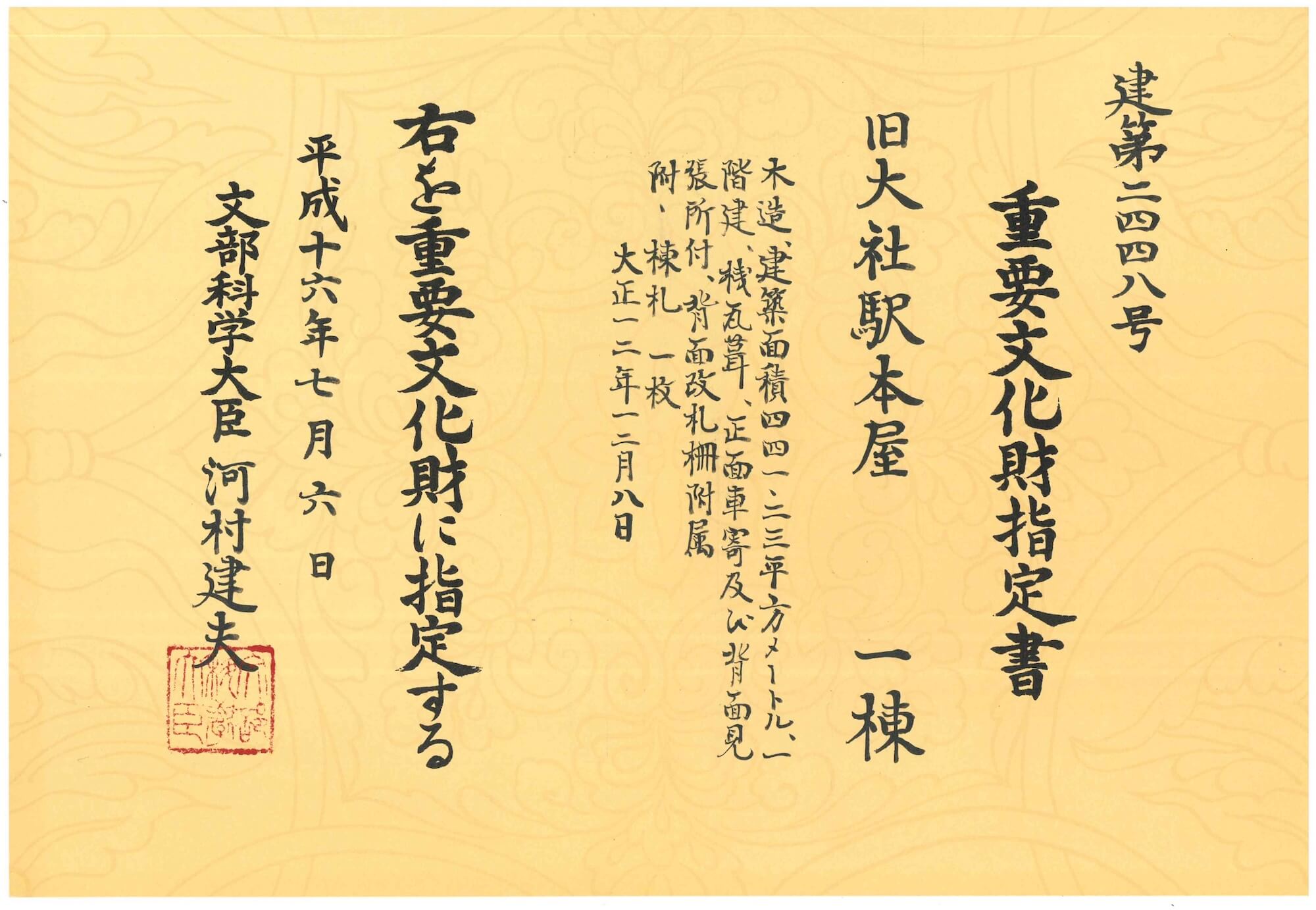
The second iteration of the station building has been preserved with a nearly identical appearance to the original construction in 1924. Because it is one of the few buildings in the country that retains its historical architecture from the age of peak railway development, it was designated a national Important Cultural Property in 2004.
Former Taisha Station, together with Tokyo Station and Mojiko Station, is one of only three station buildings in Japan designated as an Important Cultural Property.
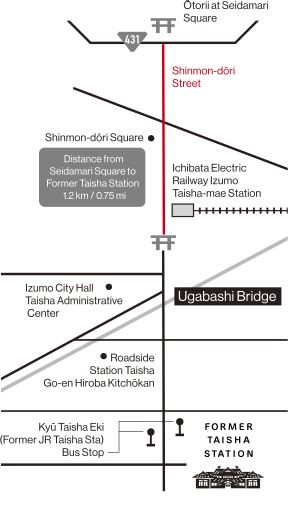
Experience the beauty of modern Japanese-style architecture and the railway history shaped during a turbulent era. Discover the enduring spirit of the former Taisha Station, cherished for more than 100 years.
Architecture
Architectural Highlights
The skill and pride of artisans reside in the details.
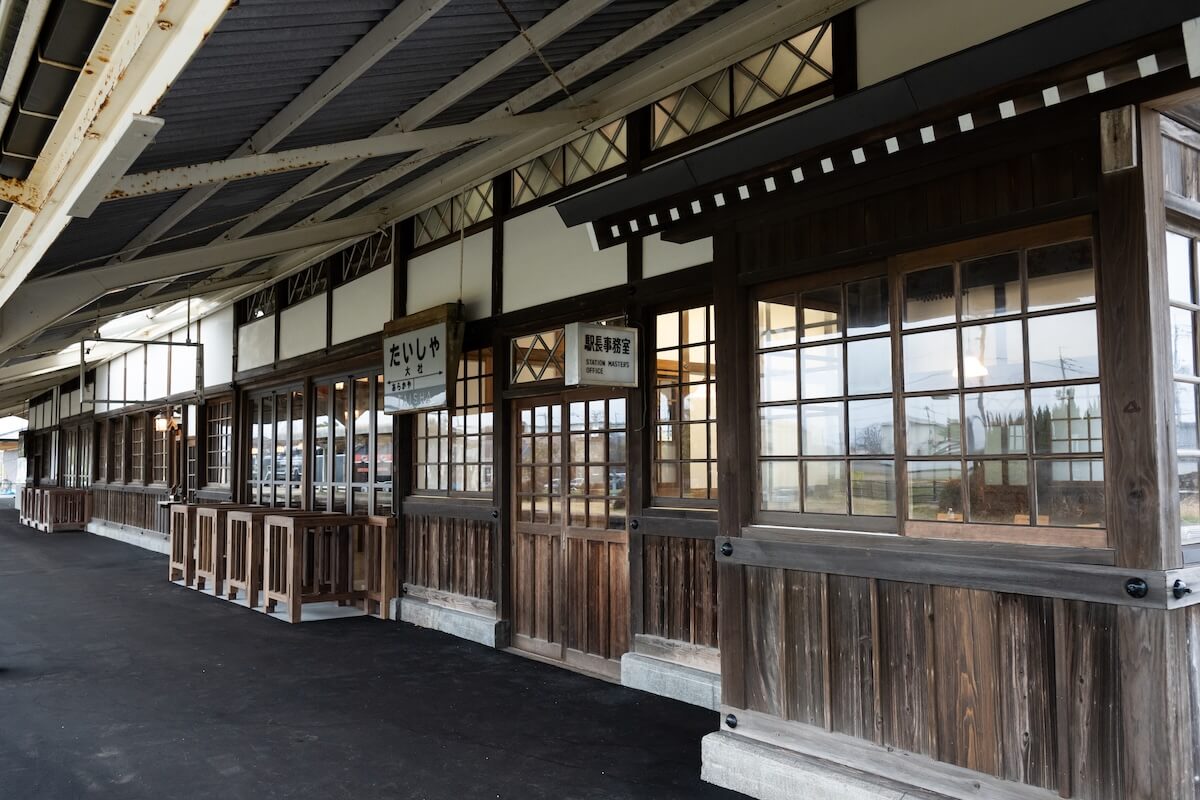
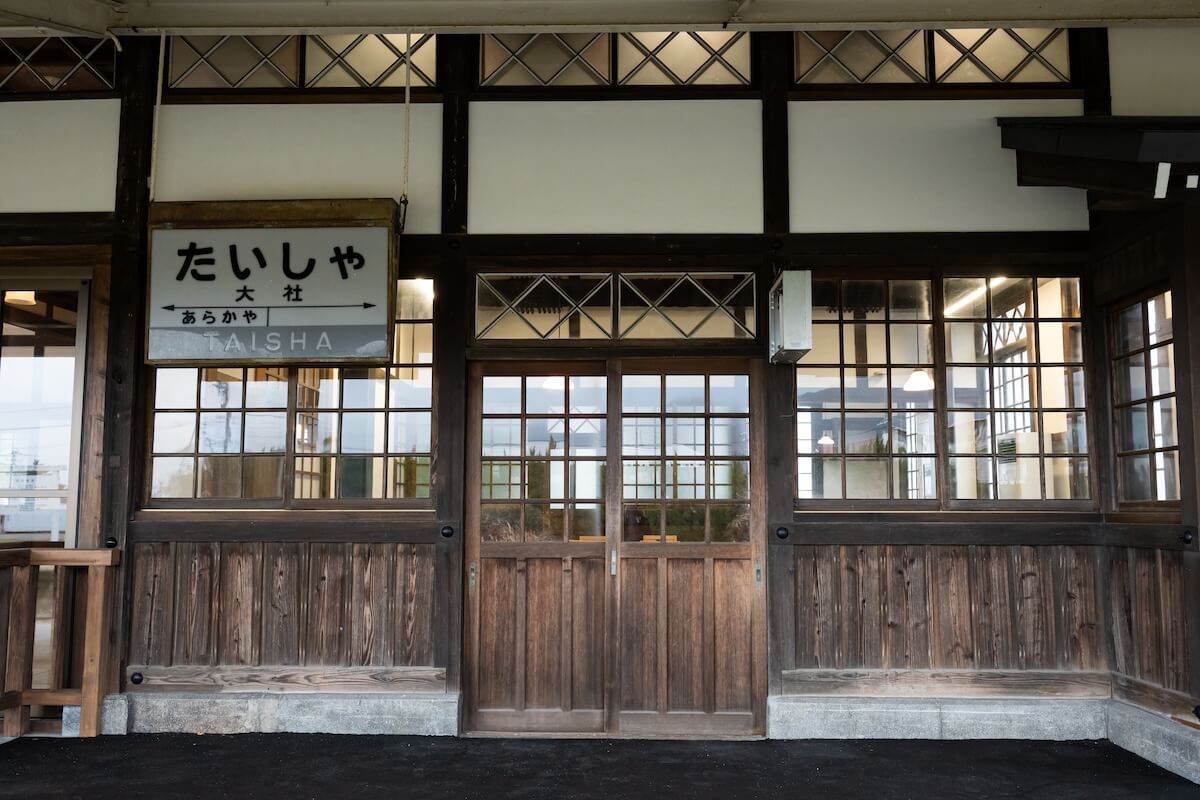
Traditional Japanese dignified style and Western architectural techniques blend together in what is known as modern Japanese-style architecture. Here are highlights of the details preserved for over 100 years in roof tiles and ceiling design.
Exterior
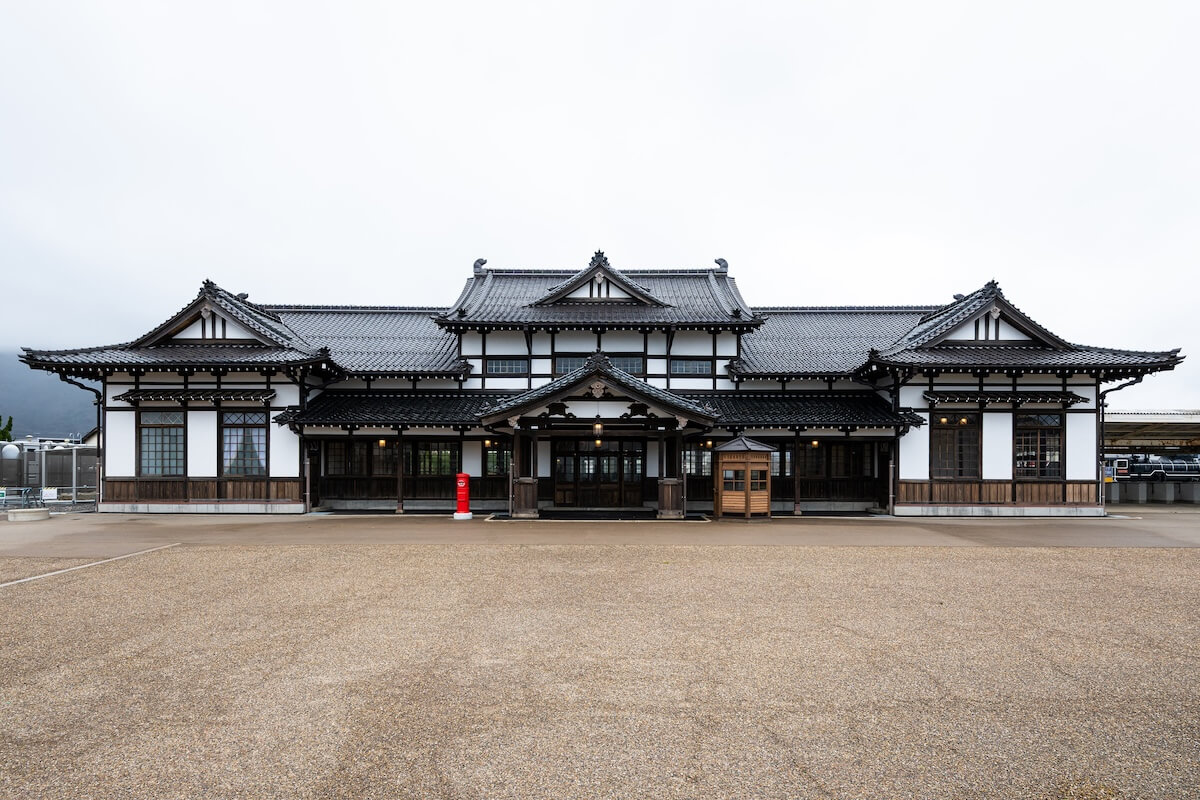
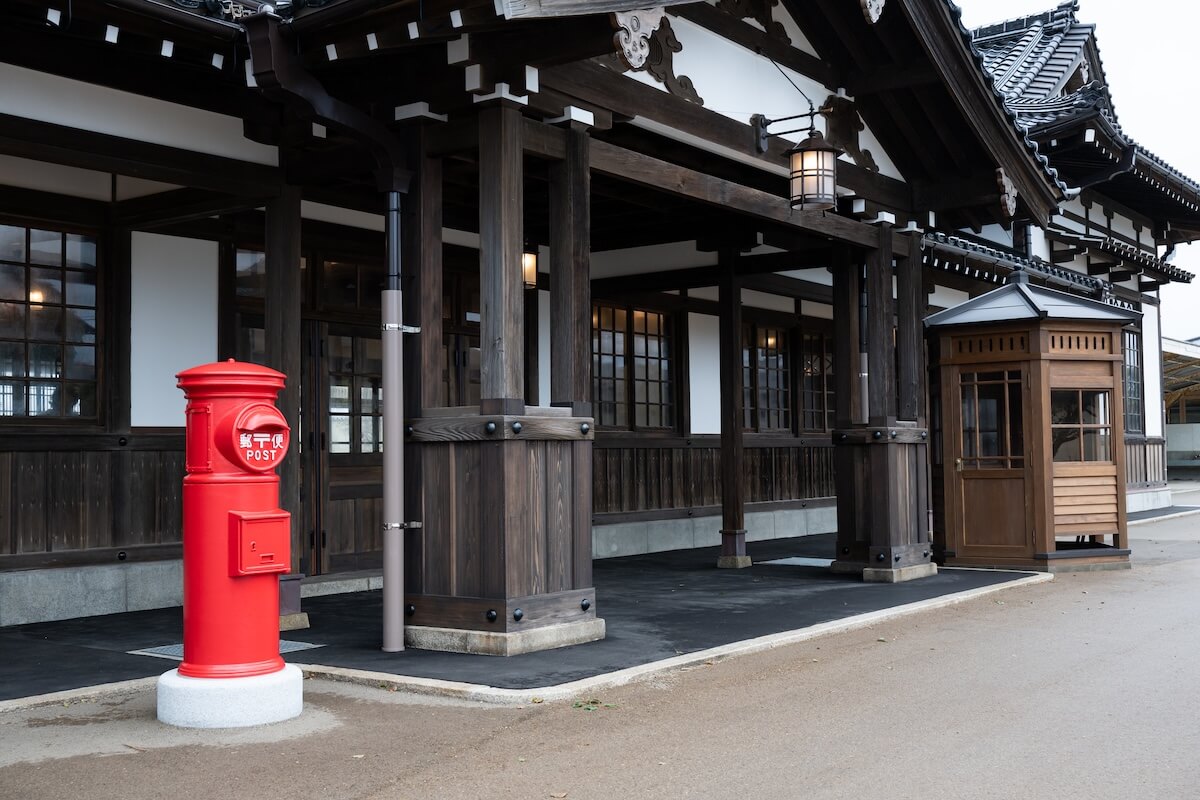
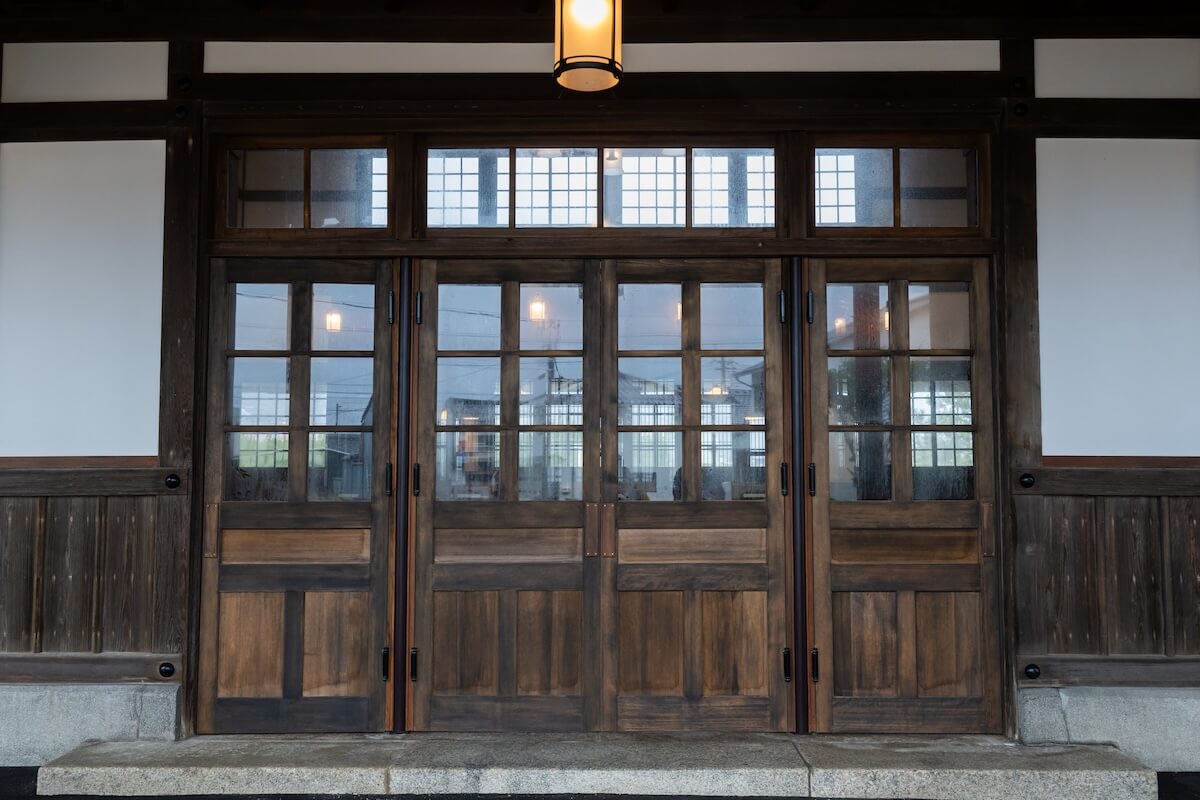
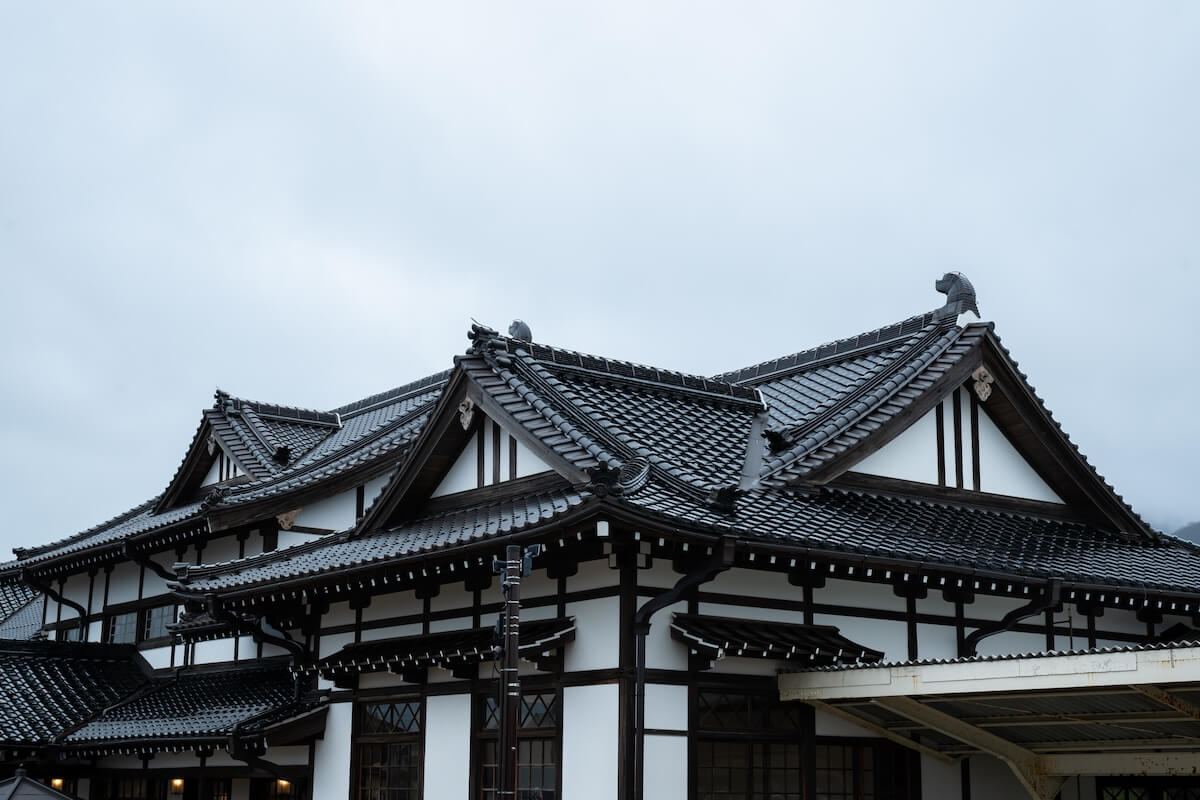
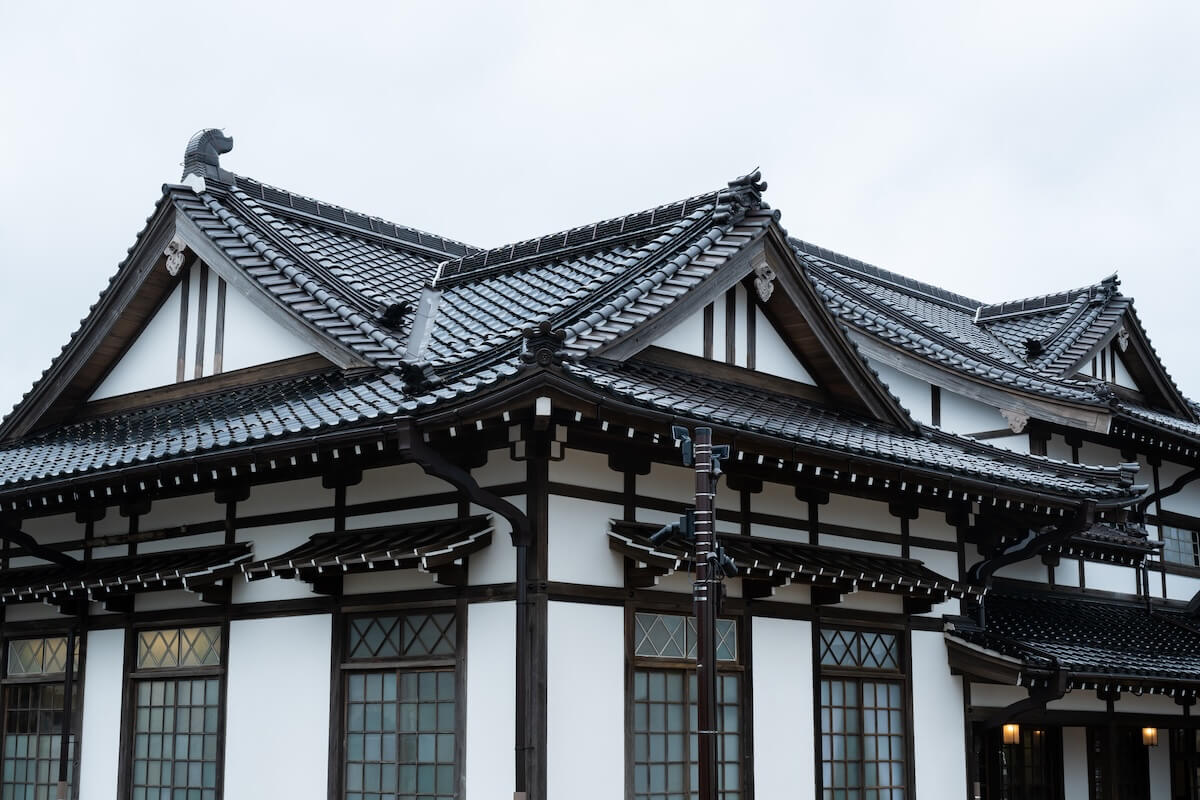
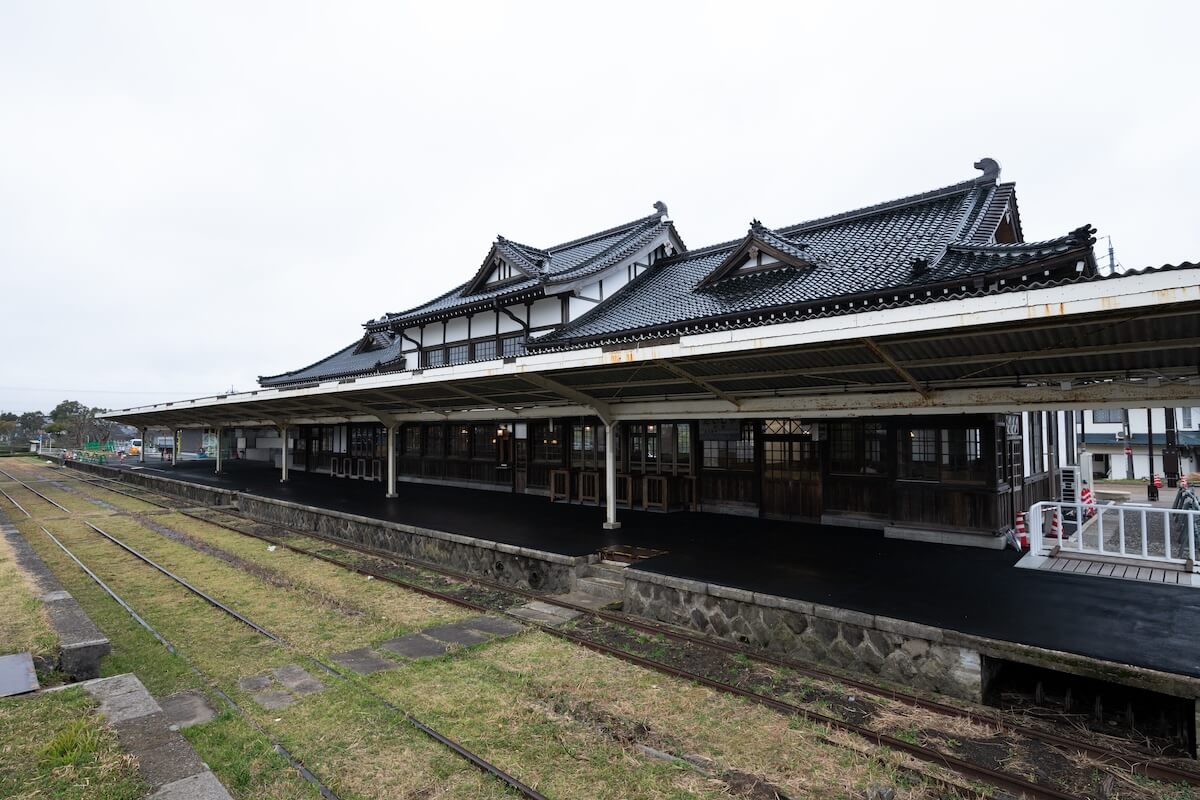
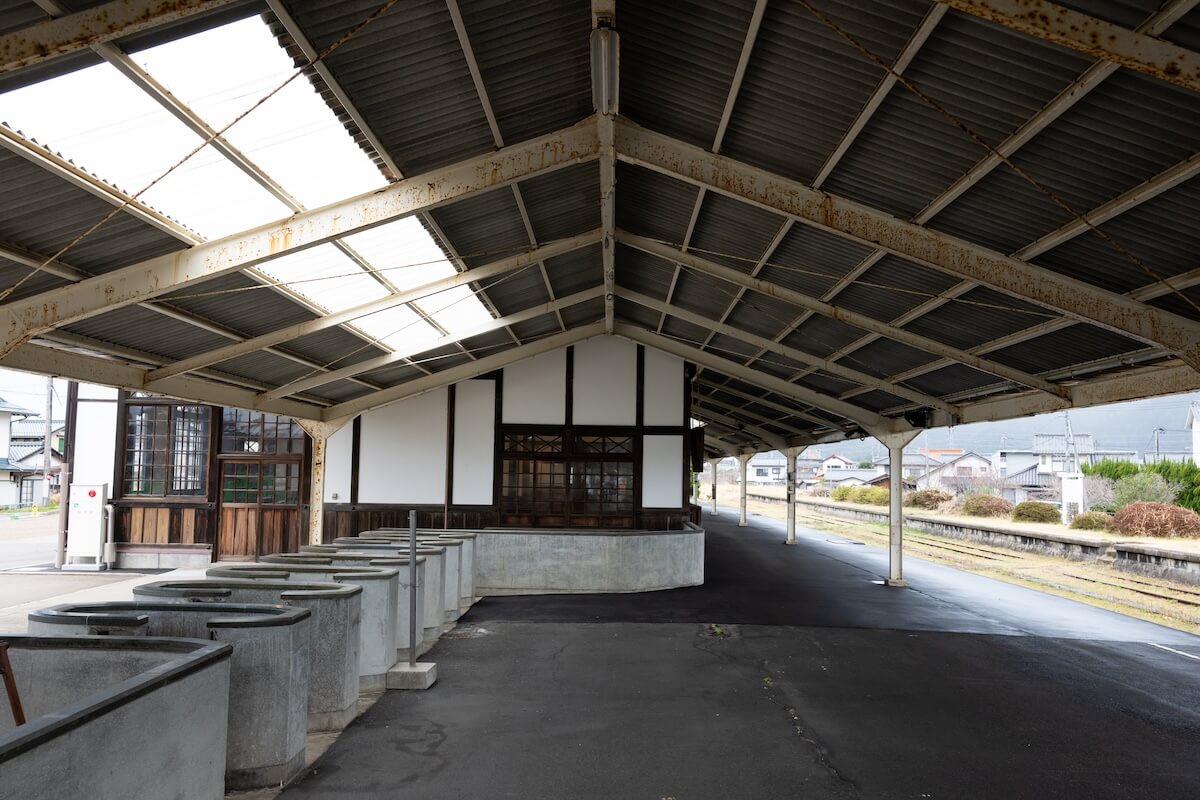
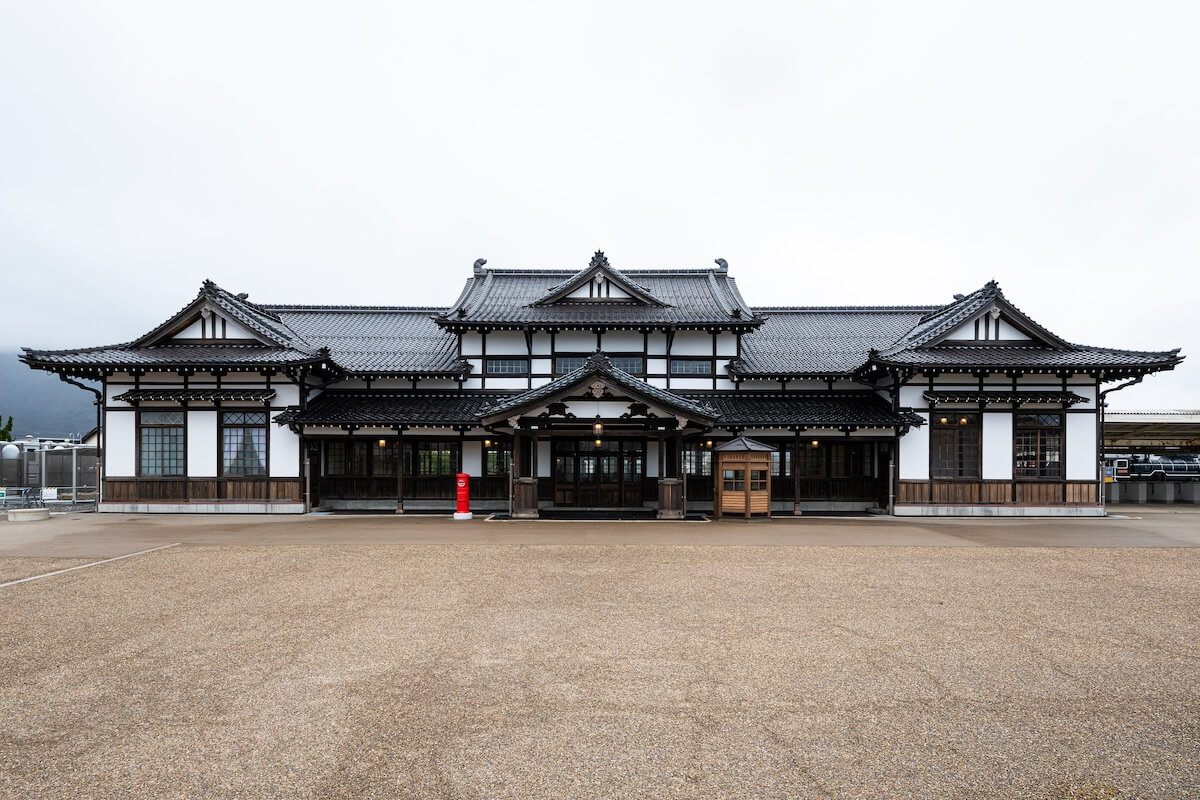
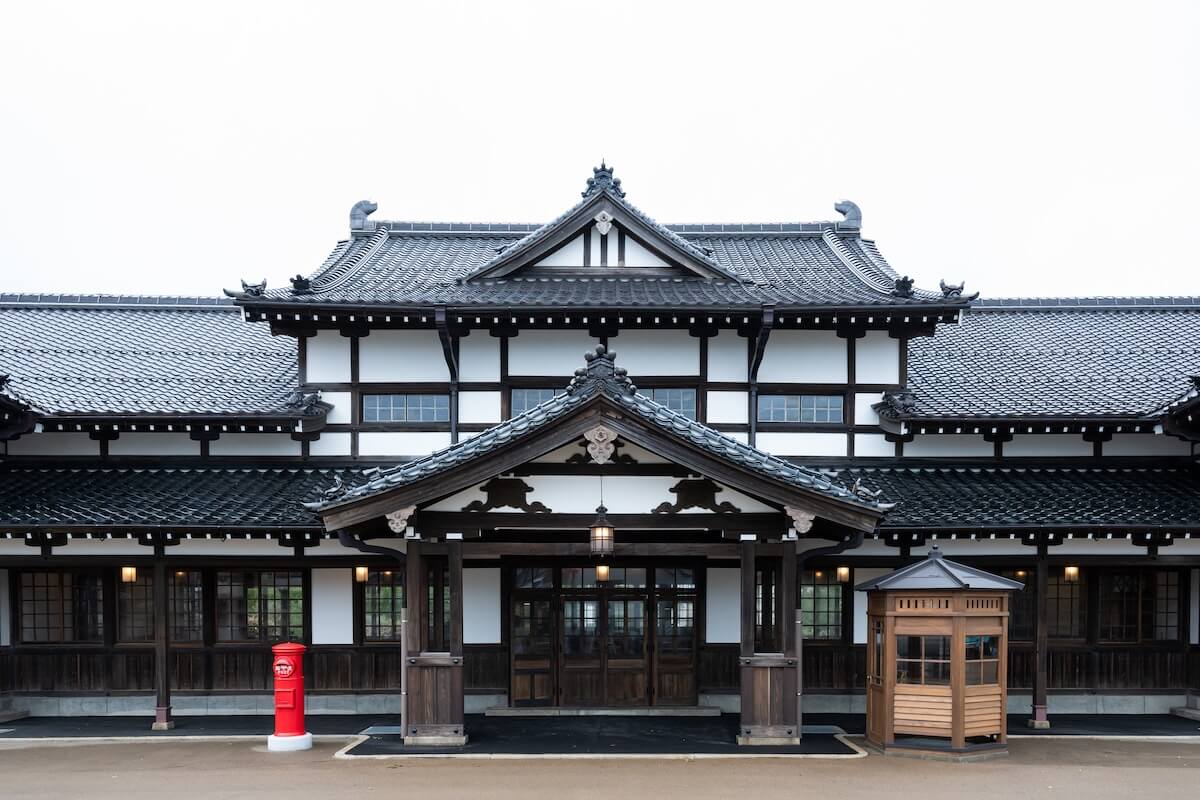
This building represents modern Japanese-style architecture that combines Western truss structure with Japanese irimoya hip-and-gable roof style.
Interior
The vast third-class waiting room, chandeliers, and VIP room convey the lively splendor of the Taishō Era.
Decorative Details
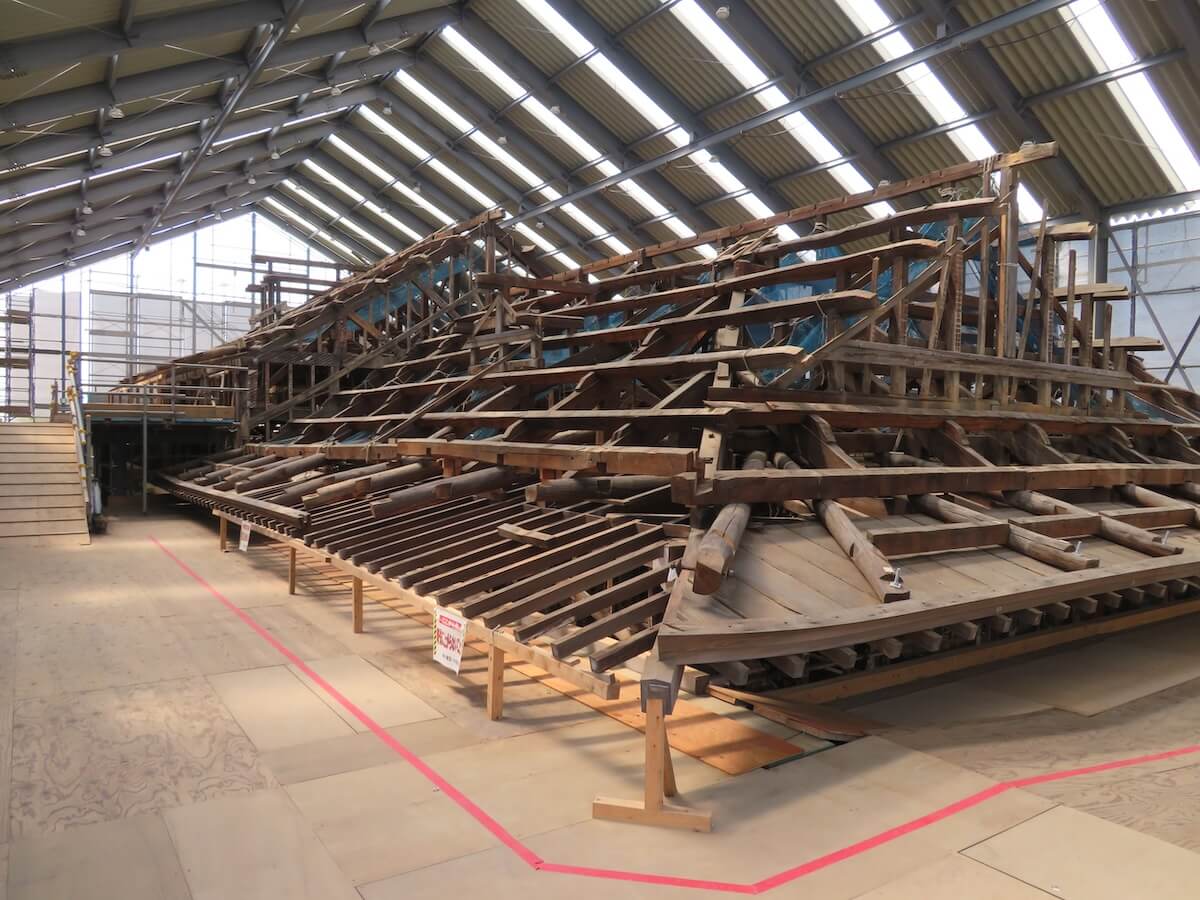
Each roof tile decorating the building is unique. The recent restoration revealed that more than 20,000 tiles and pieces of timber had been used in the original roof.
Roof Structure Highlights
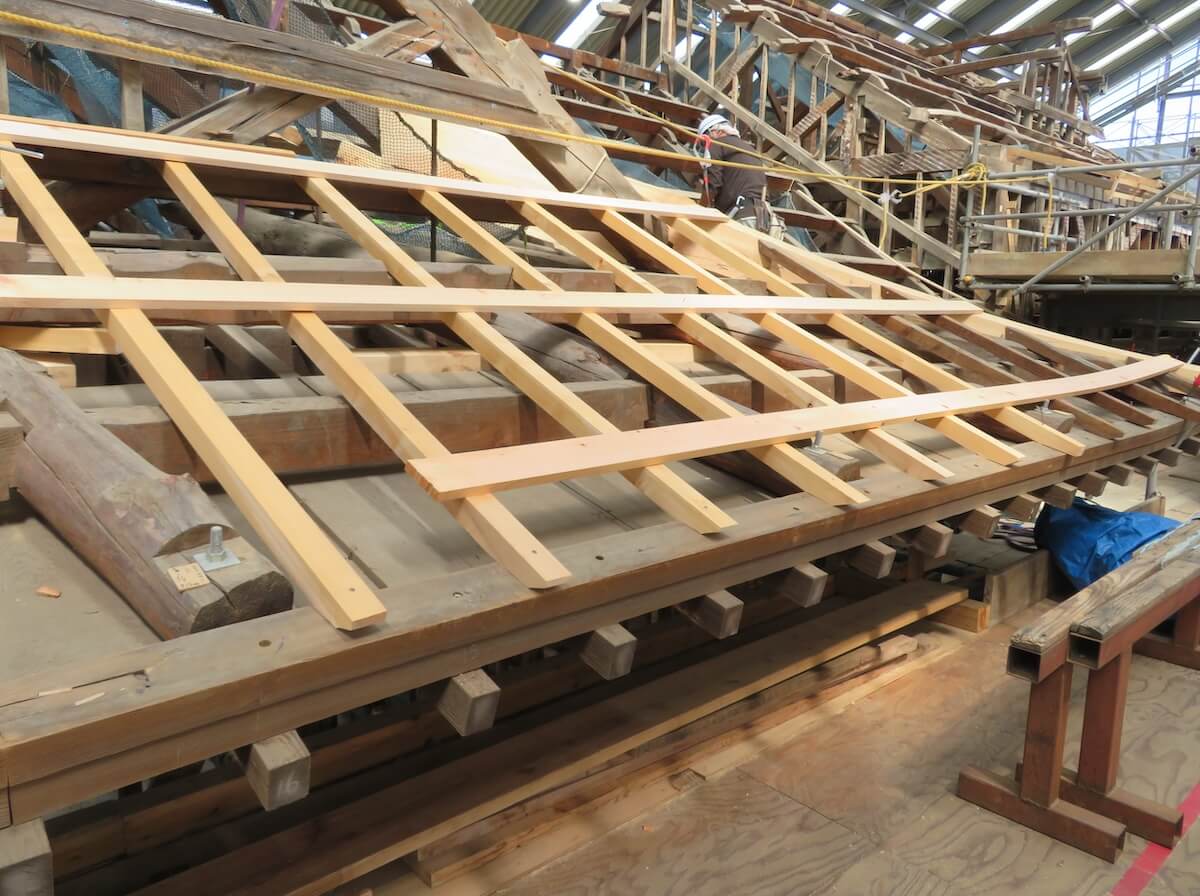
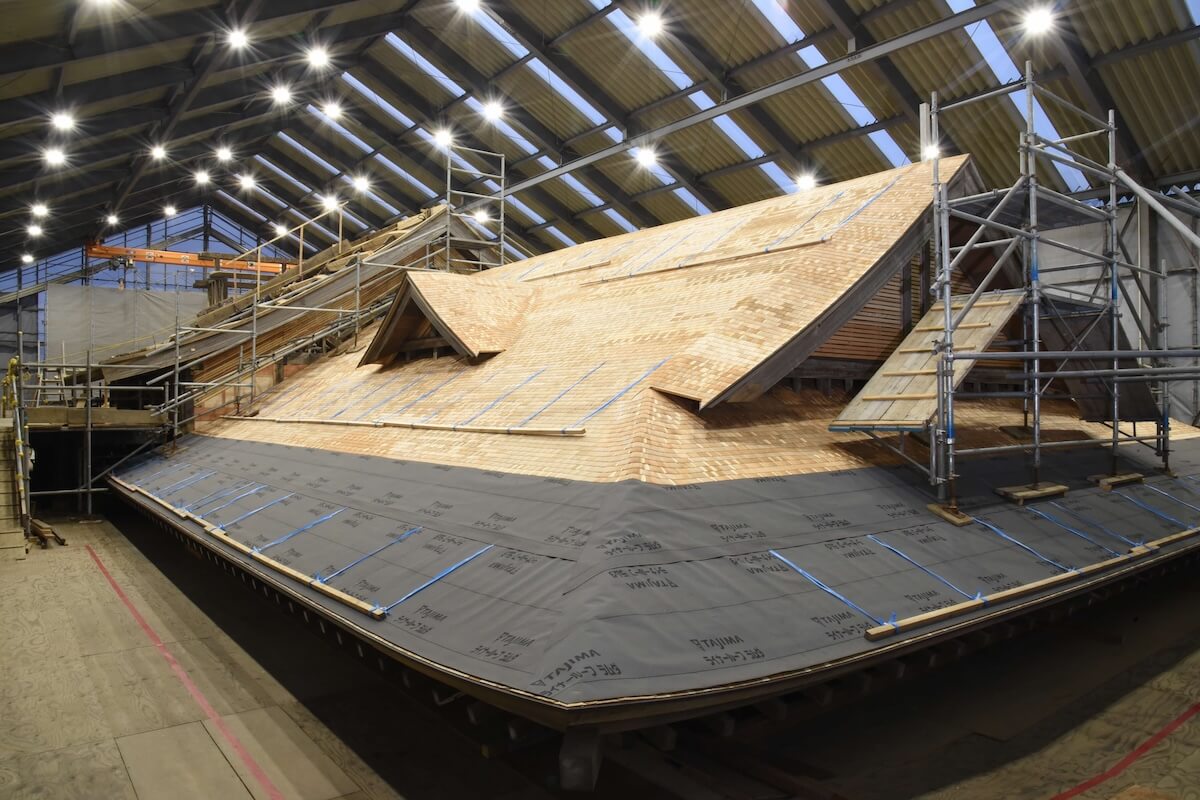
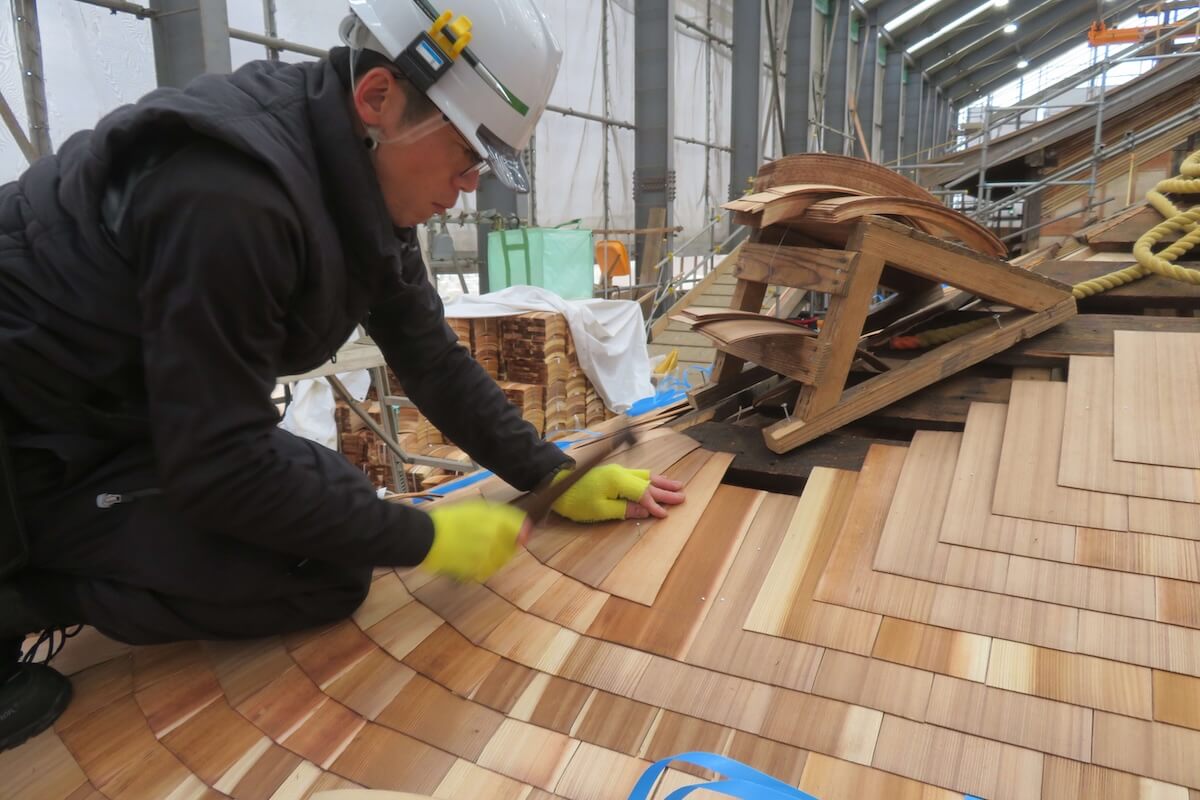
Old and new techniques, including kikai-wari doibuki, a traditional roofing method using machine-split wooden boards placed in overlapping layers, have been combined in this restoration. By carrying on traditional construction methods, the building’s historic appearance is being preserved for the next century.
We captured high-resolution 360° imagery of the Former Taisha Station just before its restoration began. Enjoy an immersive 3D and VR experience that makes you feel as if you are standing right inside the historic building.
360°MOVIE View 3D & VRHistory & Memories
Carrying a century of history into the future.
From the Meiji era to the current Reiwa era, Former Taisha Station served as the gateway to Izumo Taisha, welcoming countless visitors. When the railway line faced closure, local citizens rallied to protect the station, preserving it as part of the community’s history.
History of Former Taisha Station
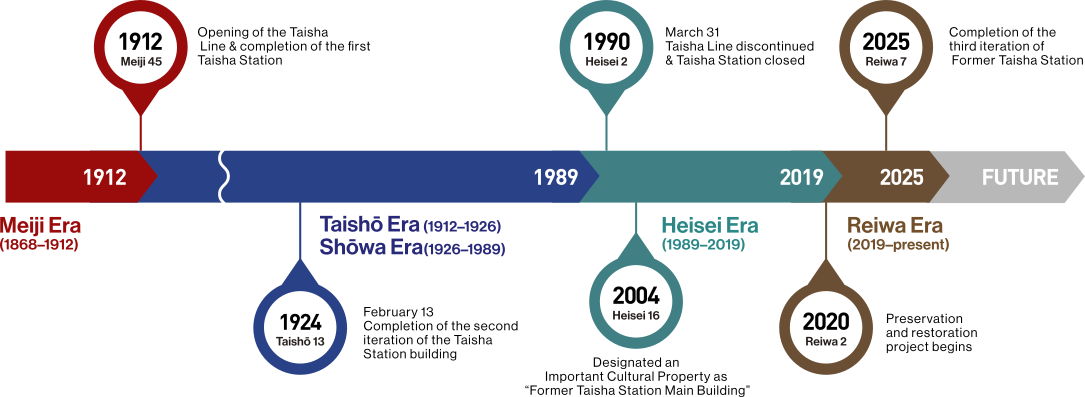
The following is a basic history from the opening of the first station to the completion of the second iteration of
the building and the recently completed preservation project.

Meiji Era (1868–1912)
Opening of the Railway
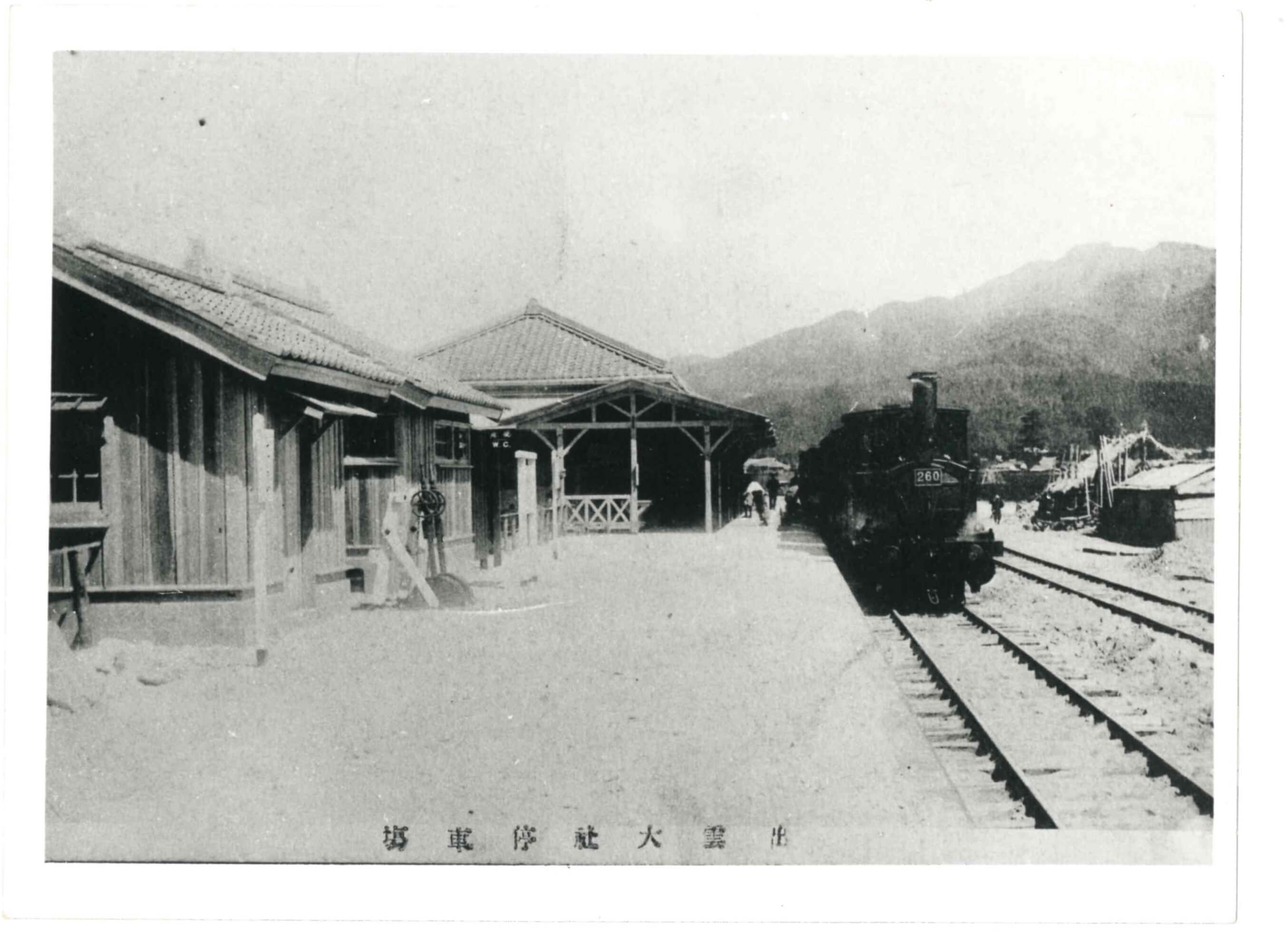
In 1912 (Meiji 45), the railway arrived in Izumo
The station opened in 1912 as the terminus of the San'in Main Line, signaling the arrival of modern transportation in the Izumo Taisha community.
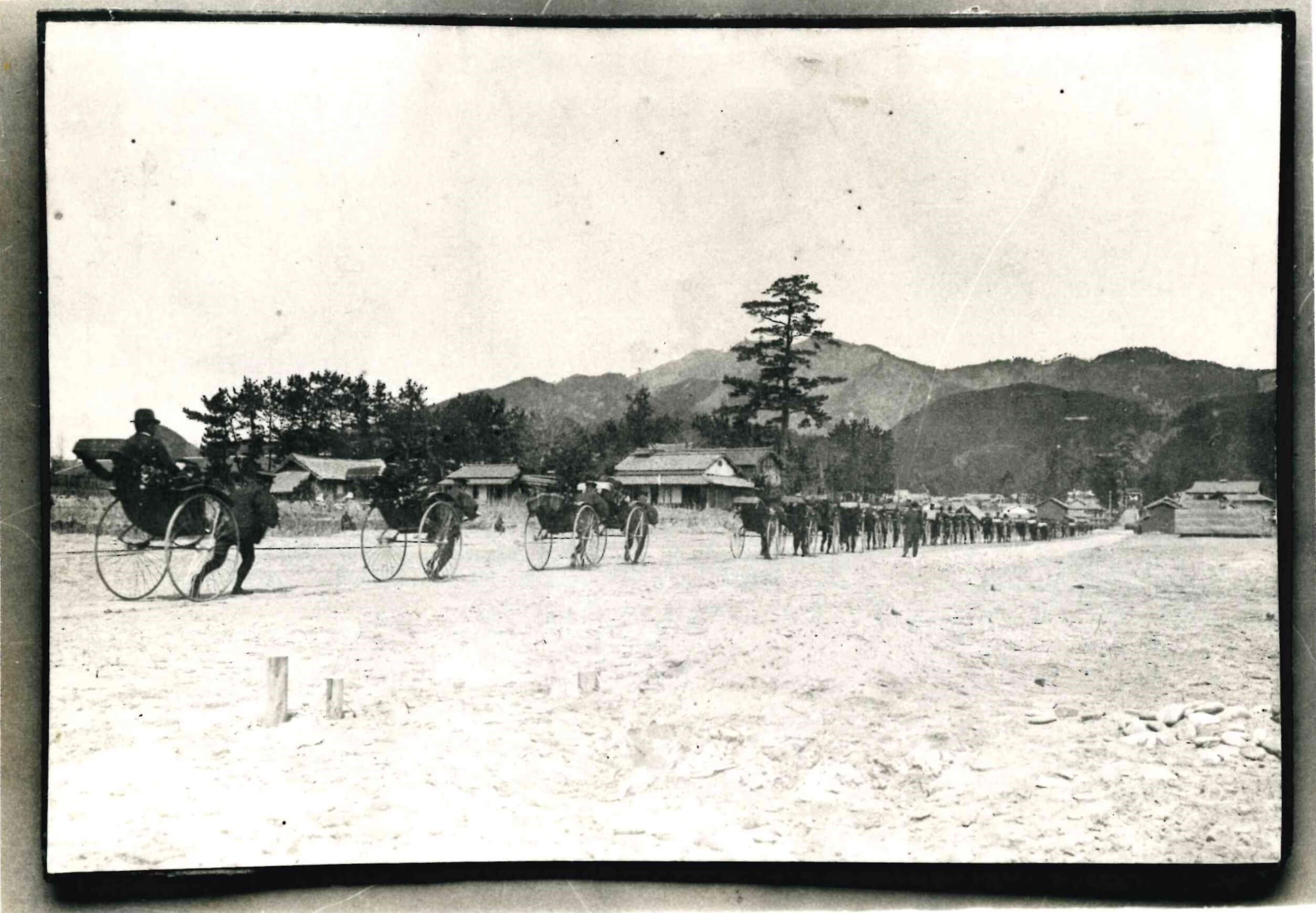
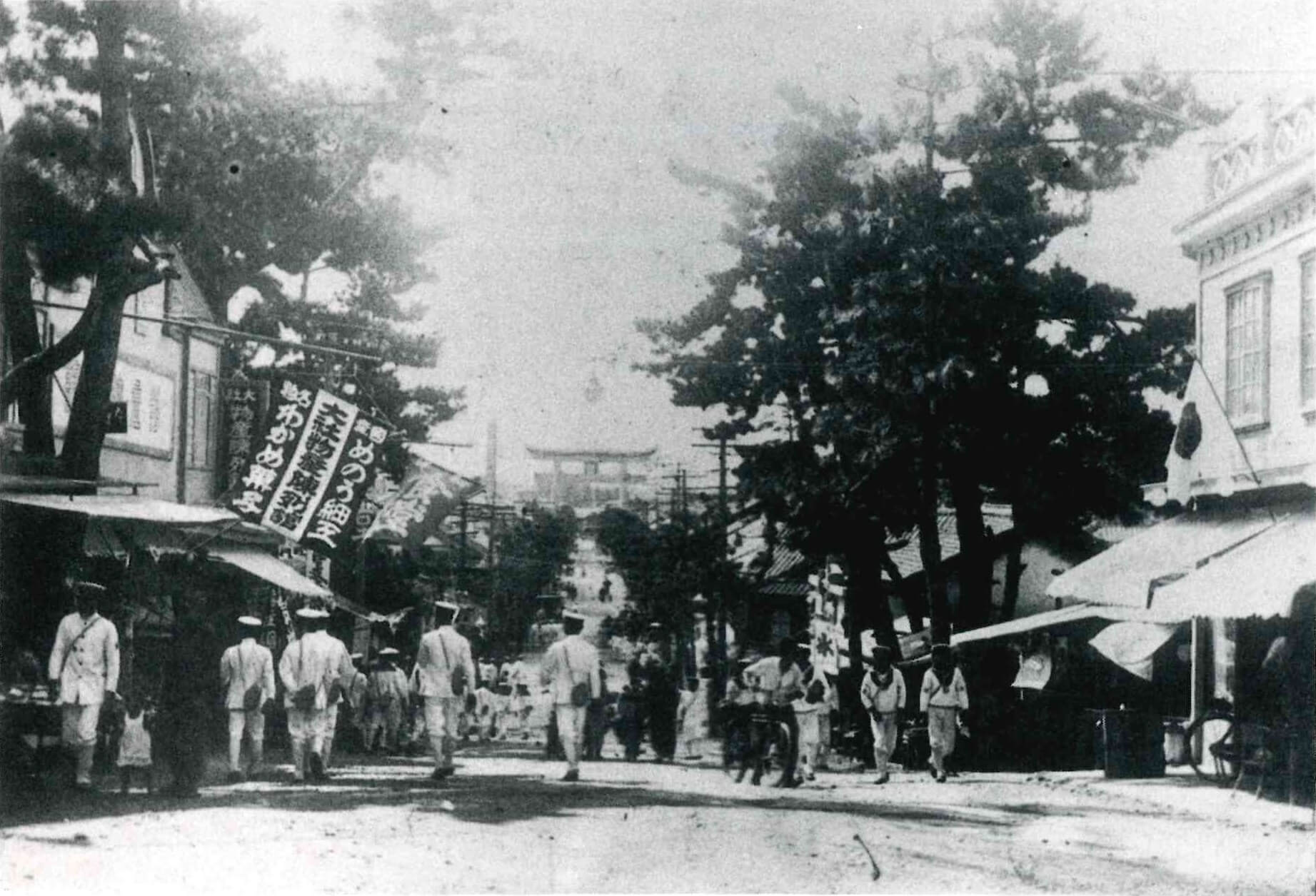
Shinmon-dōri, the road leading to Izumo Ōyashiro Grand Shrine, was completed in 1913. Passenger numbers quickly rose, increasing from 140,000 in its first year to 339,000 the following year.
Taishō Era (1912–1926)
Shōwa Era (1926–1989)
The Birth and Rise of Train Stations
The boom in pilgrimages to Izumo Ōyashiro Grand Shrine and the golden age of Former Taisha Station.
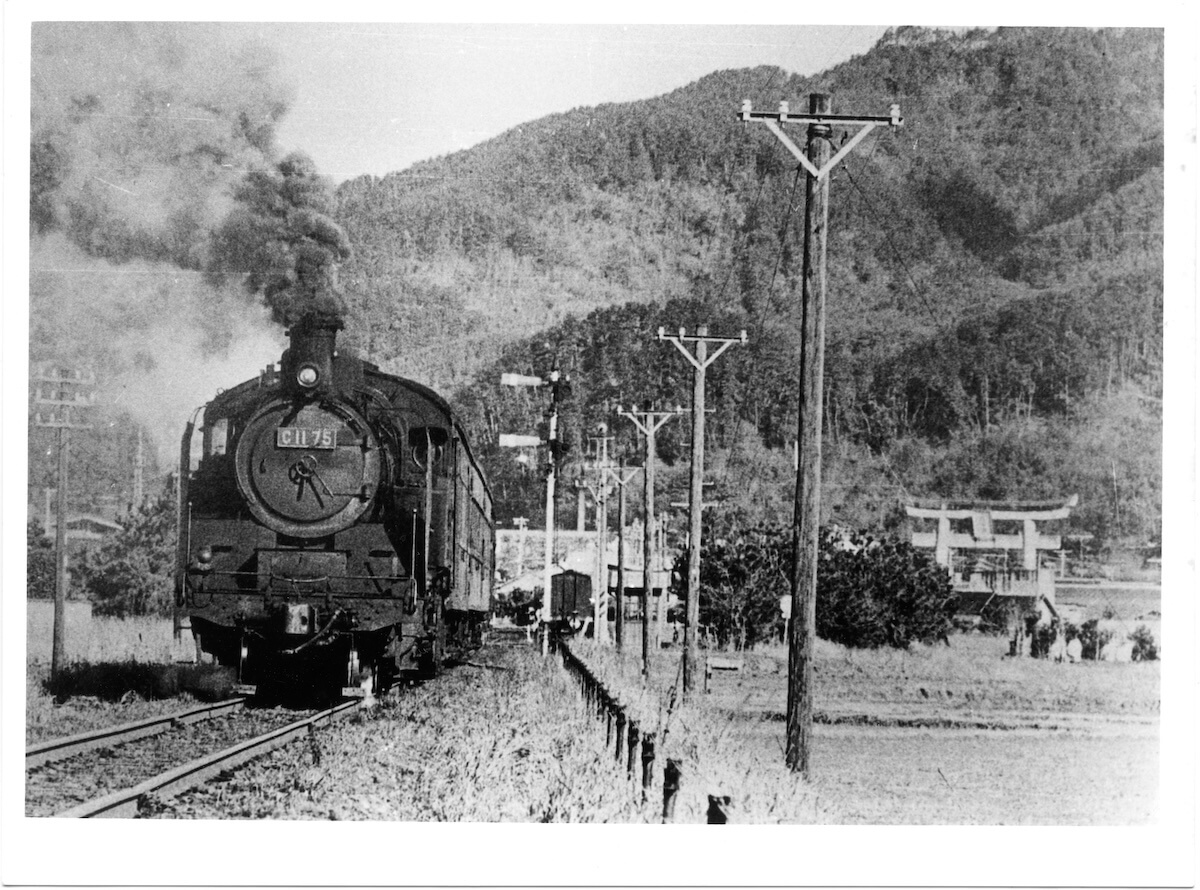
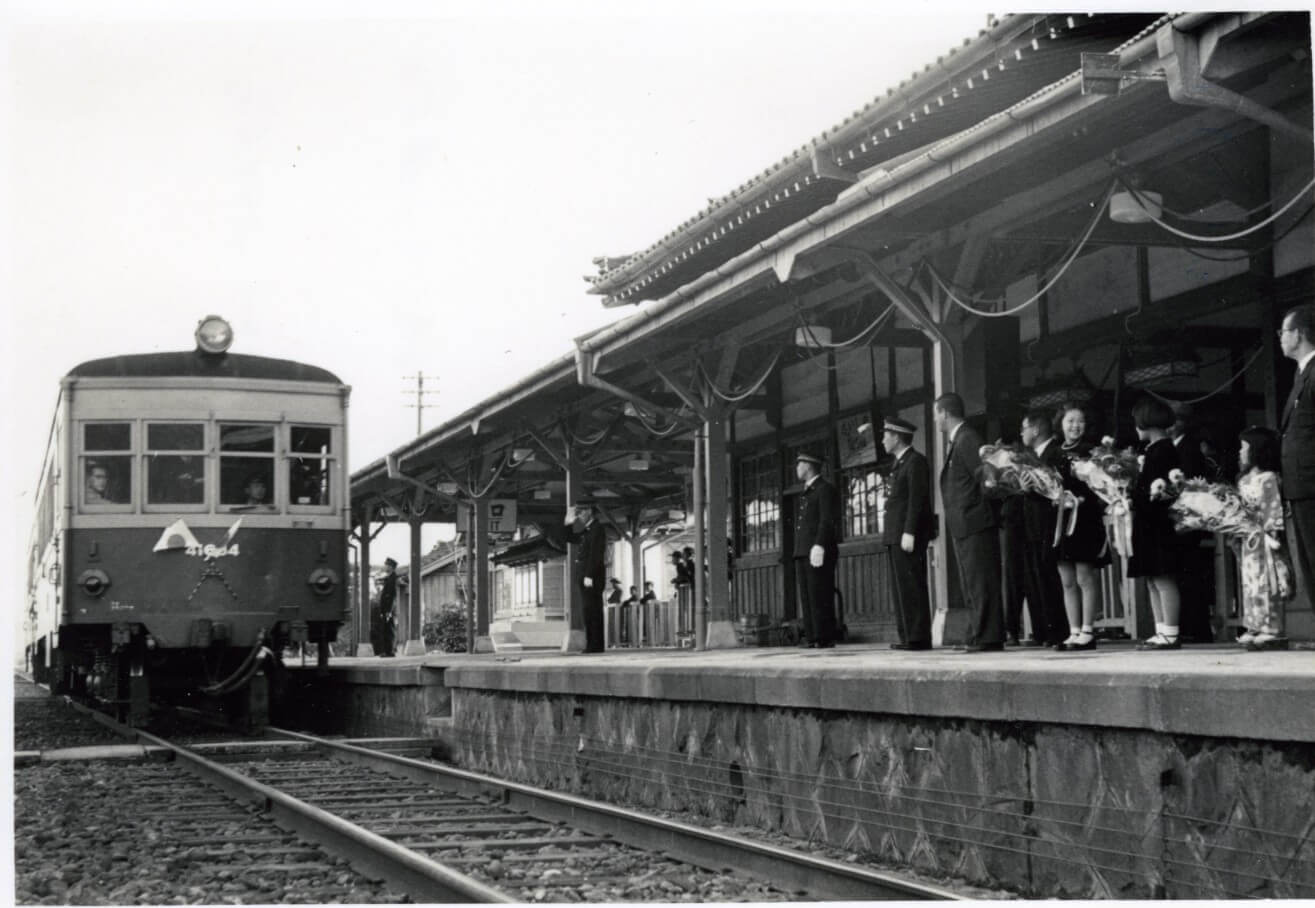
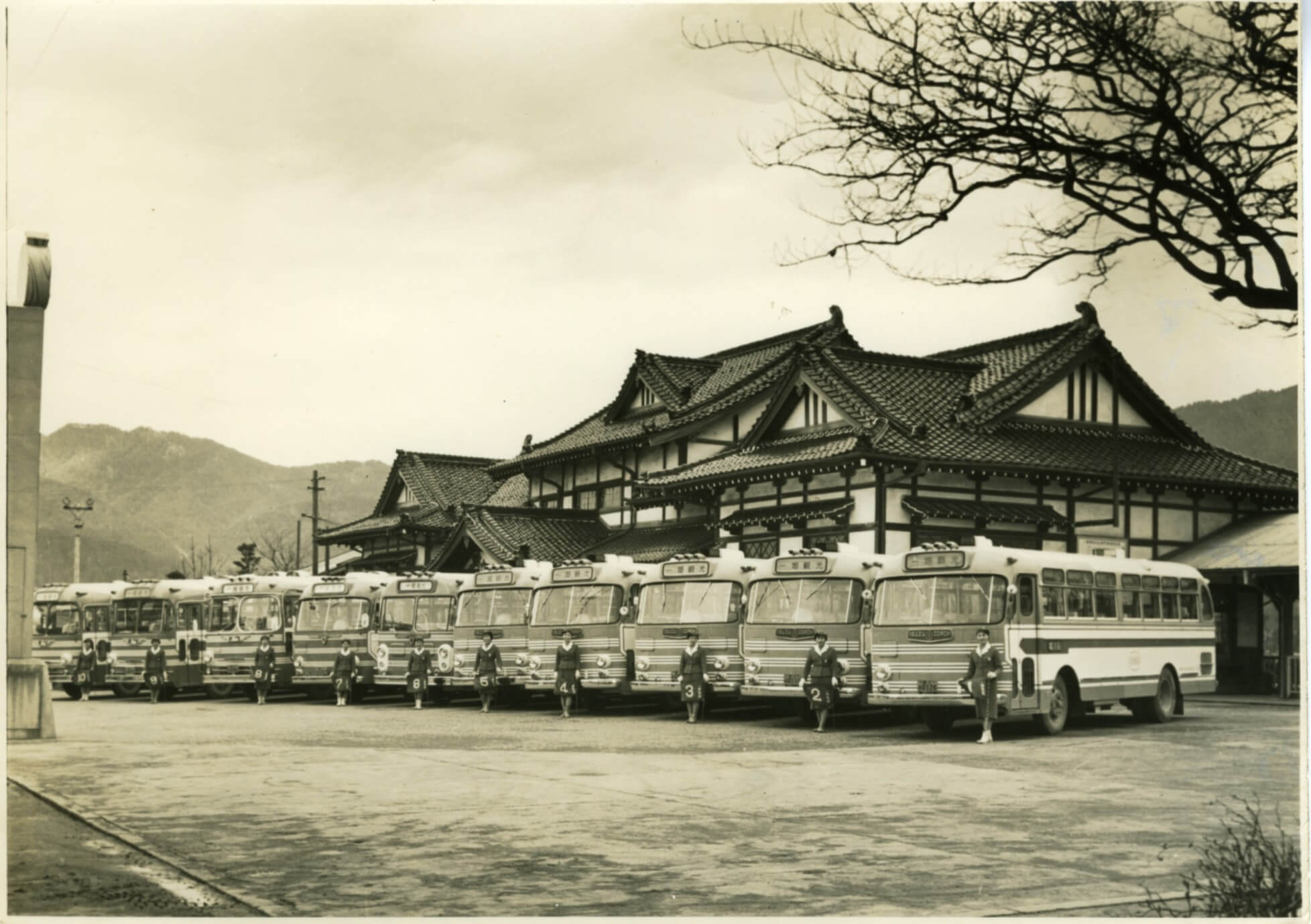
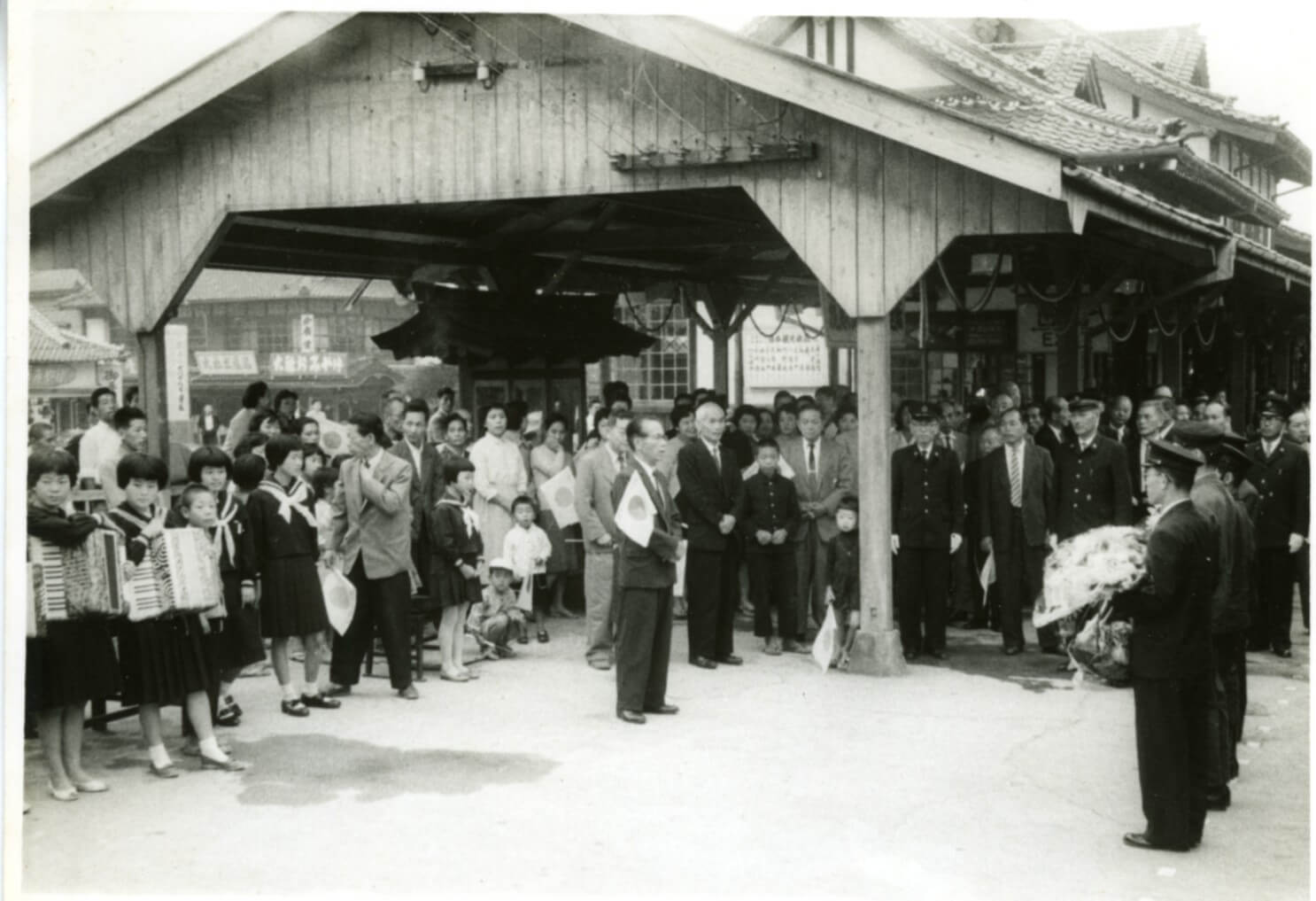
In 1924, the station building in its present form was completed. Express trains with direct service to Tokyo as well as numerous special trains soon began operating, and the station was filled with visitors arriving from across the country.
Steam locomotives thundered into the station, carrying the dreams and energy of the era. Today, a D51 class steam locomotive that remained in service until the late Shōwa period is displayed on the station grounds.
Heisei Era (1989–2019)
Abandoned Railway Lines and Preservation Efforts
The end of the railway line and its designation as a cultural property
Following the privatization and division of Japanese National Railways, the Taisha Line was closed in 1990, bringing 78 years of service to an end.
Taisha Town (now incorporated into the city of Izumo) purchased the site, including the station building, from the Japanese National Railways Settlement Corporation. In 2004 its value was officially recognized through designation as a national Important Cultural Property.
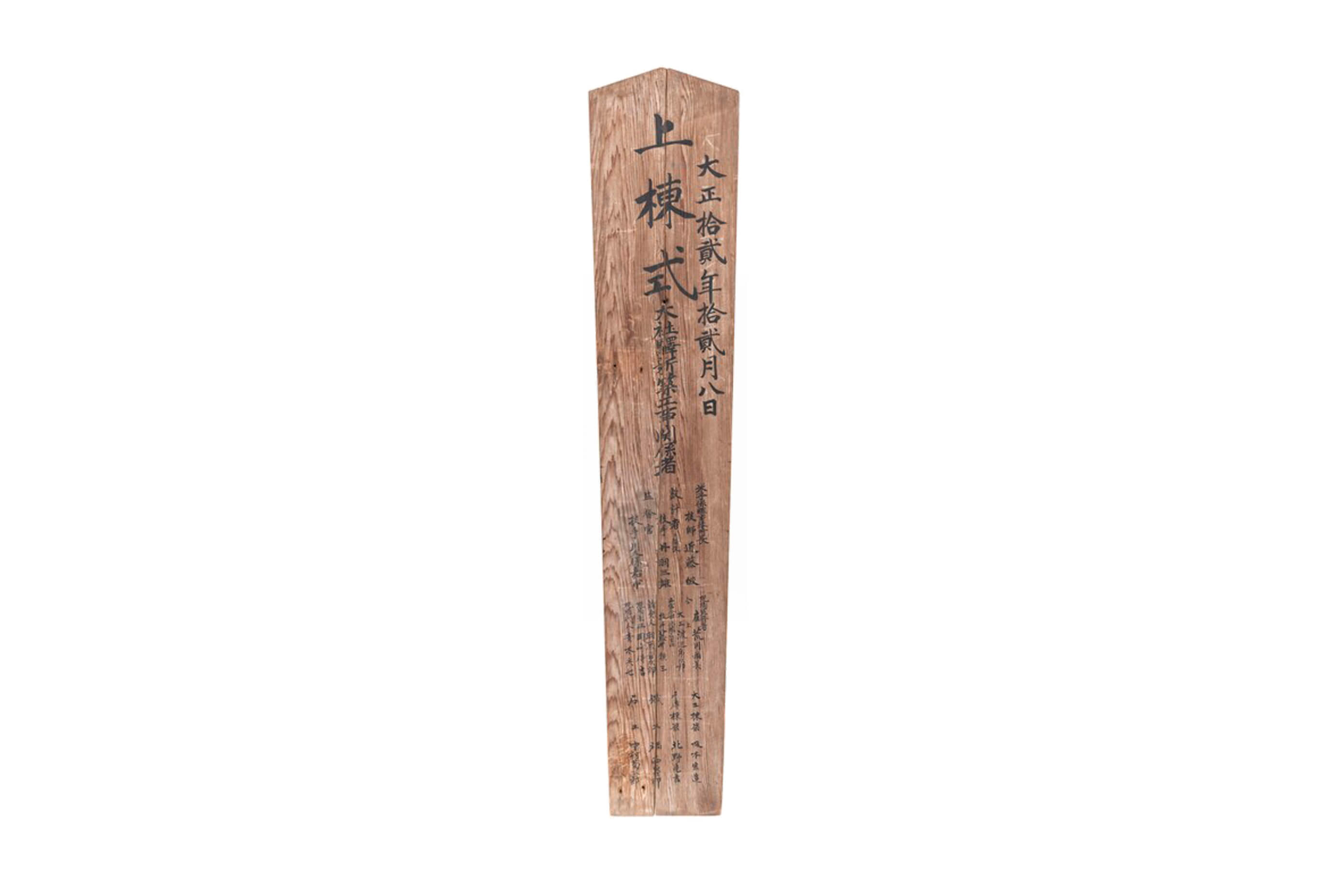
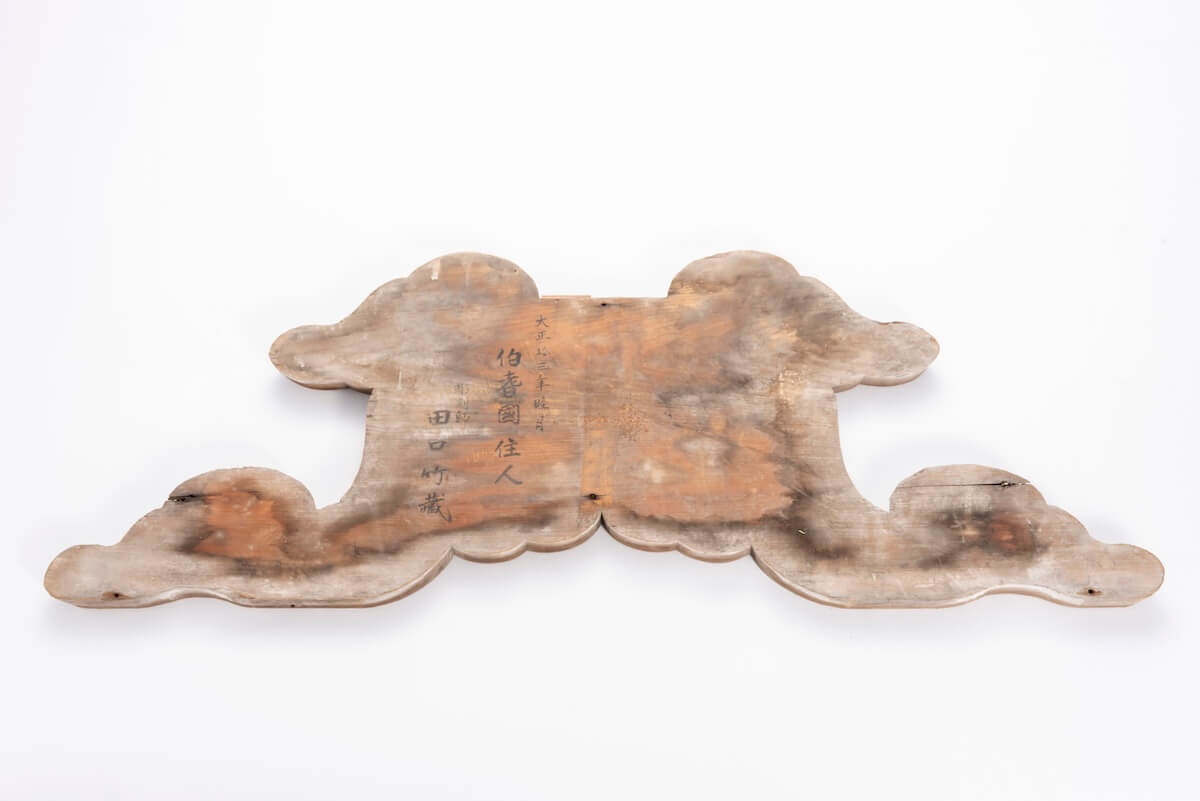
A munafuda wooden plaque installed near a building’s ridge beam, and records the construction date, patrons, and craftsmen involved in the project, was discovered by chance in the station attic during a structural investigation conducted after the railway closure. The munafuda has since been designated as an associated item of the Important Cultural Property, serving as documentation that supports the site’s cultural significance.
Reiwa Era (2019–present)
Preserving Our Heritage for Future Generations
The Great Reiwa Restoration: Passing 100 Years of Memories to the Next Generation
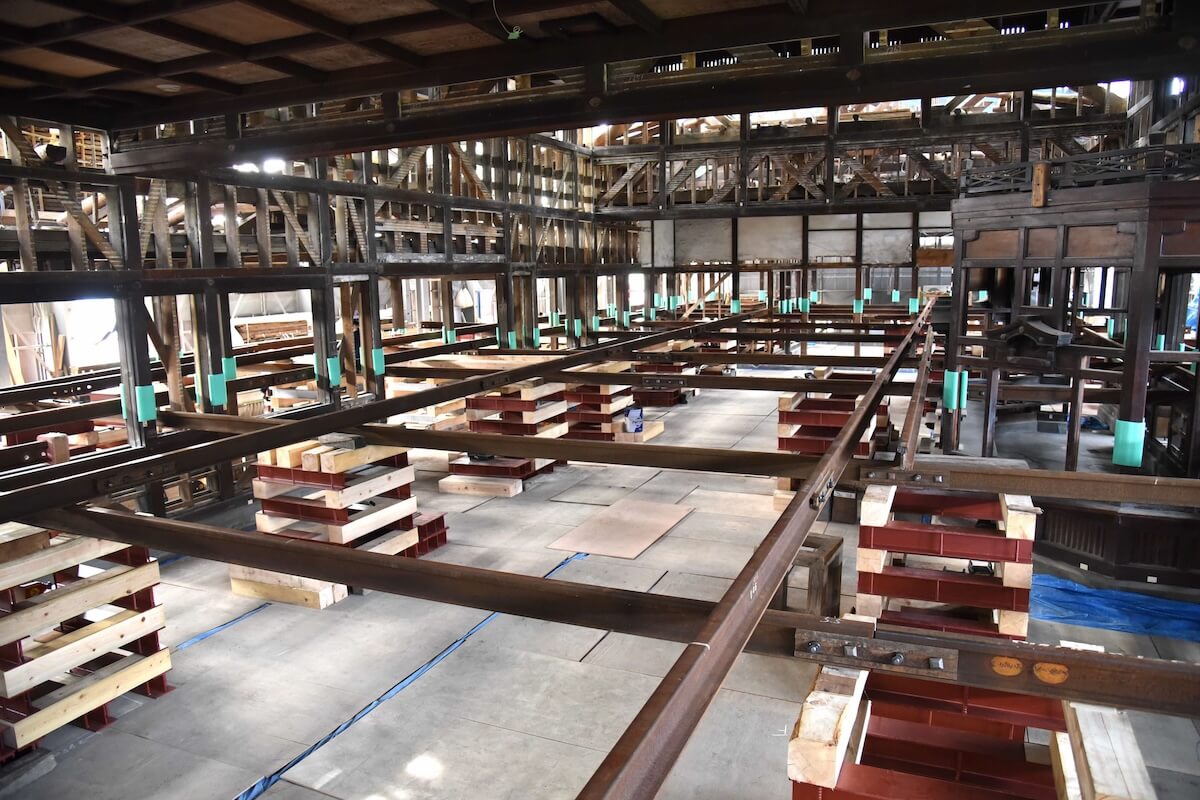
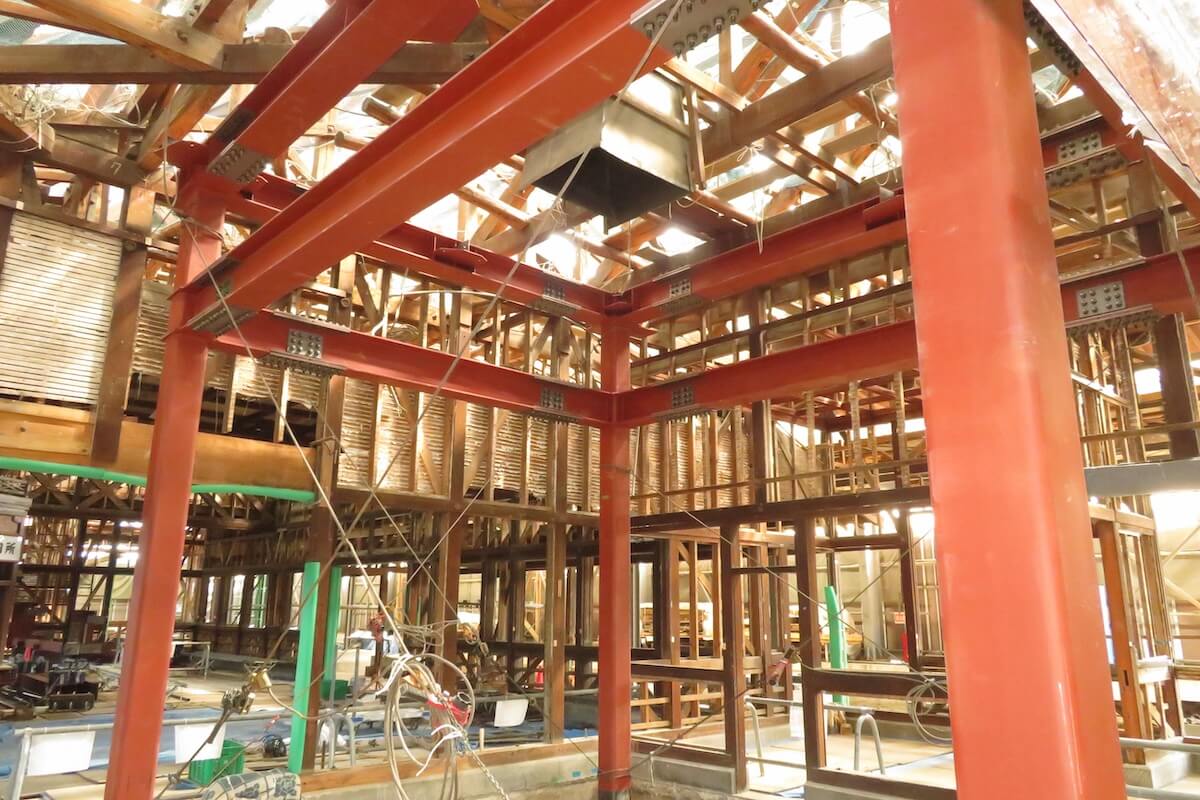
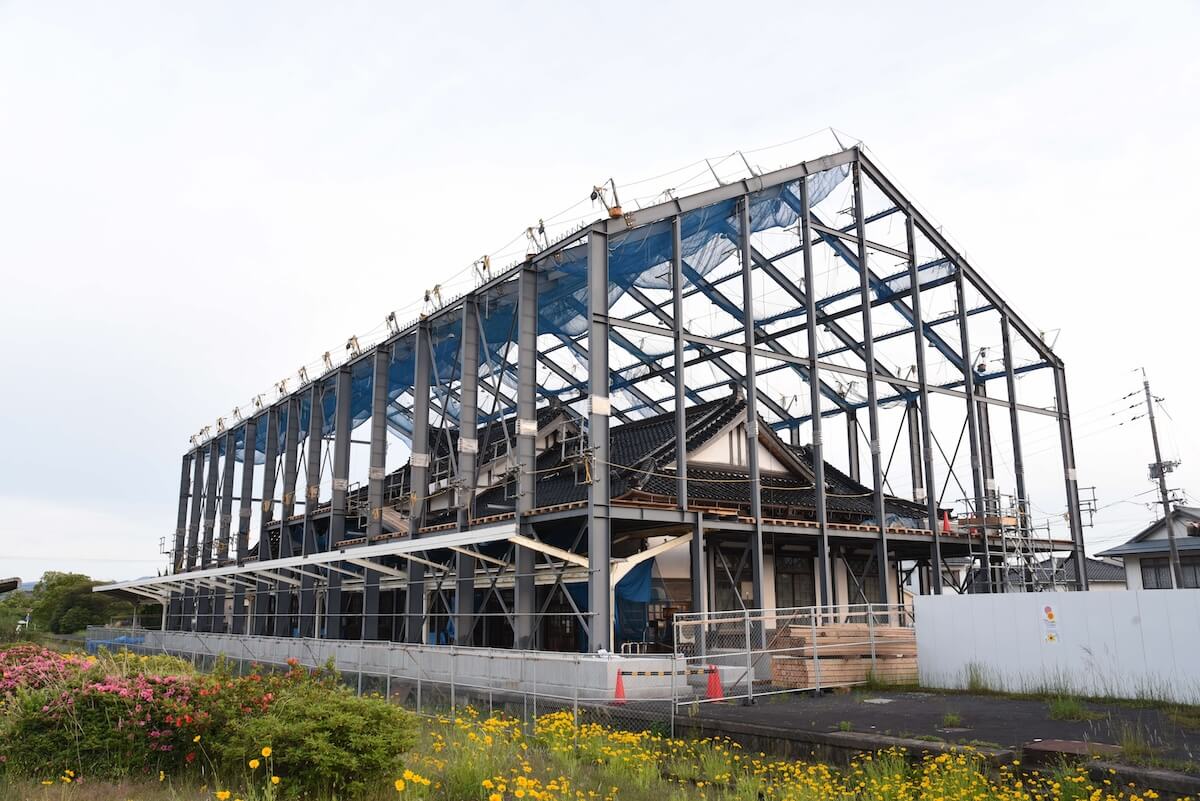
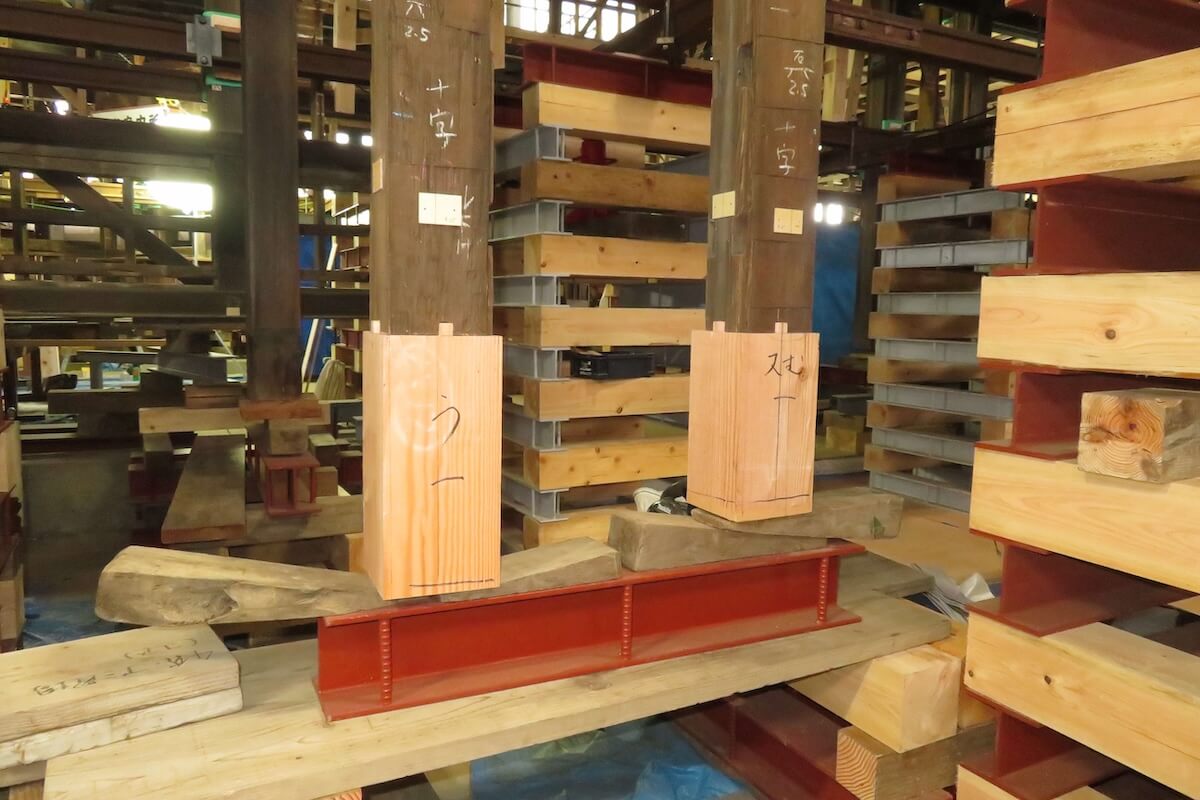
As Former Taisha Station approached the 100th anniversary of its construction, the soon-to-be centenarian needed extensive repairs in many areas, as well as seismic reinforcement.
The work began in 2020. Using traditional construction methods, the station’s elegant Taishō-era appearance is being carefully preserved for future generations.
Reborn in 2025, the story of Taisha Station continues.
Always Open
Third-Class Waiting Room
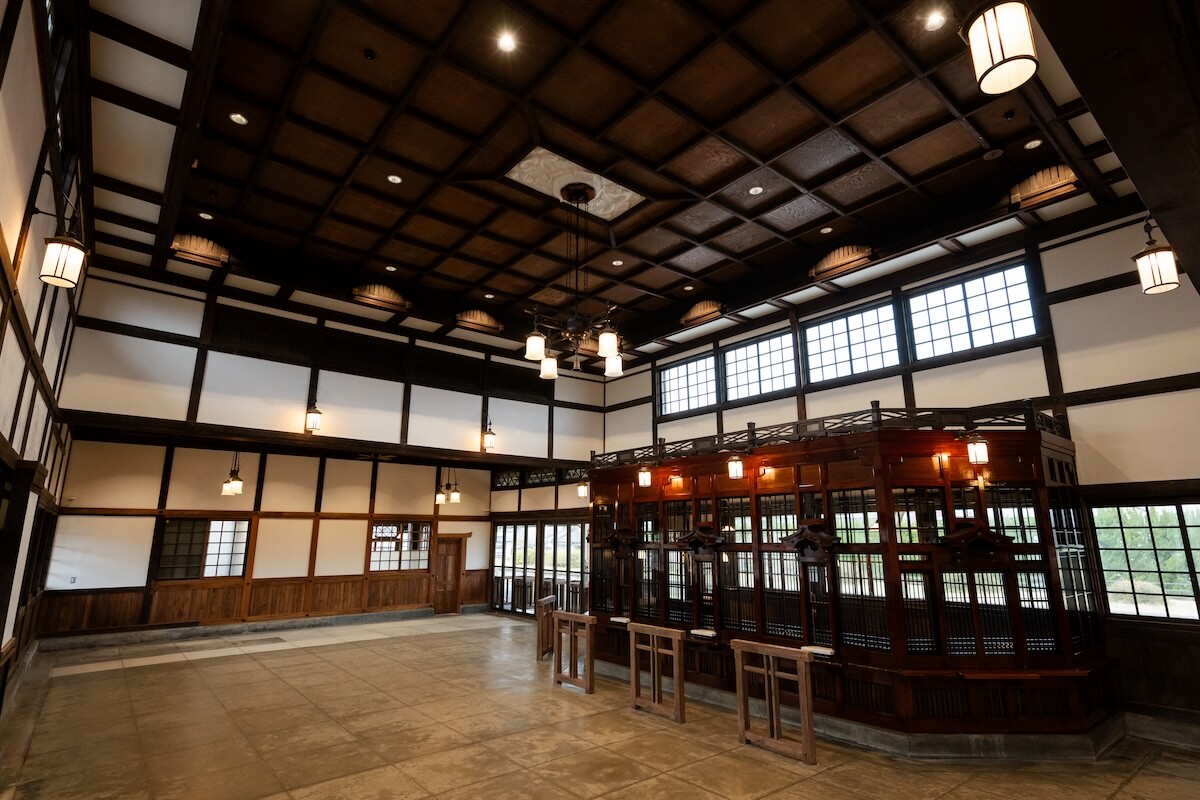

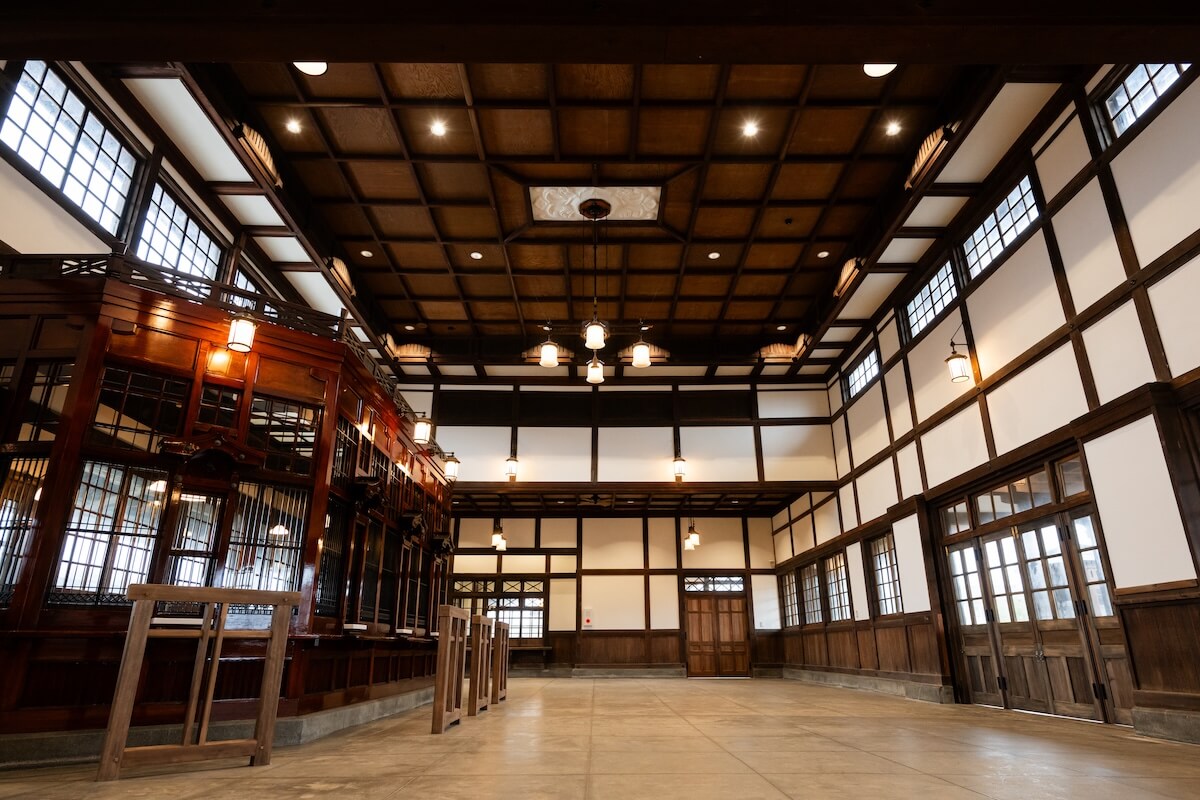
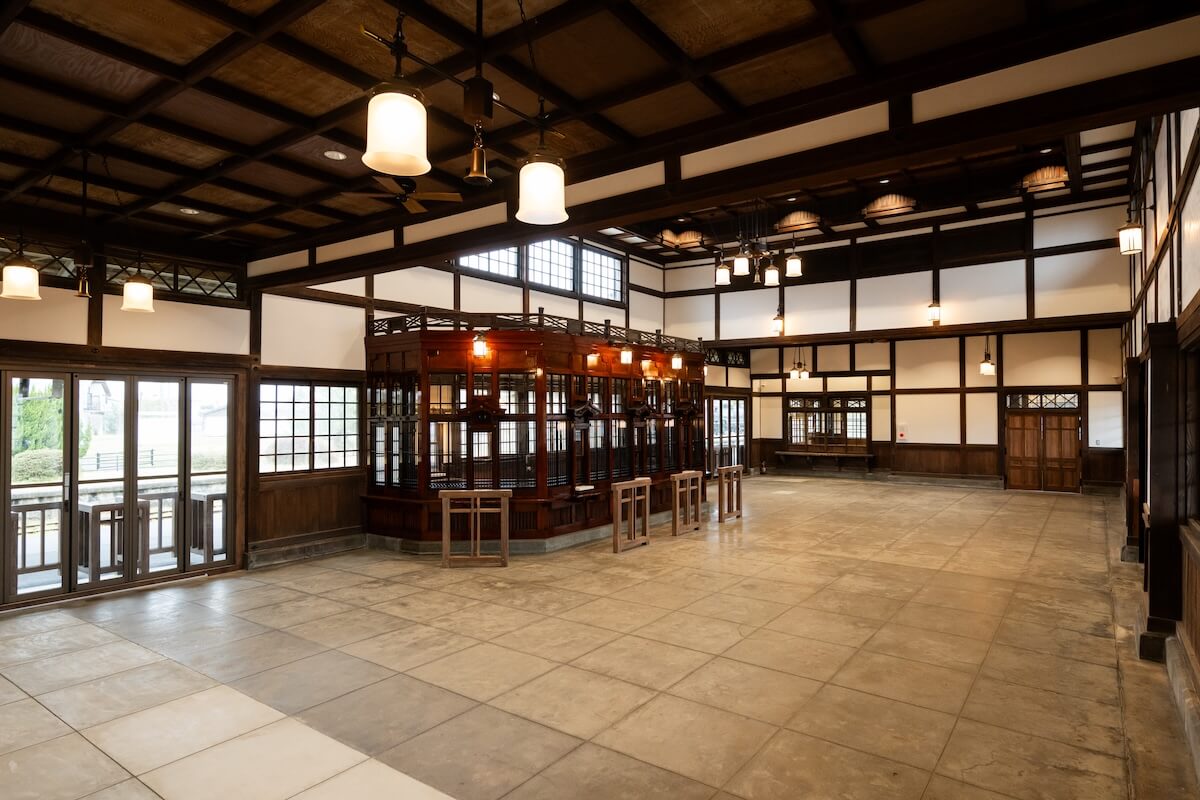
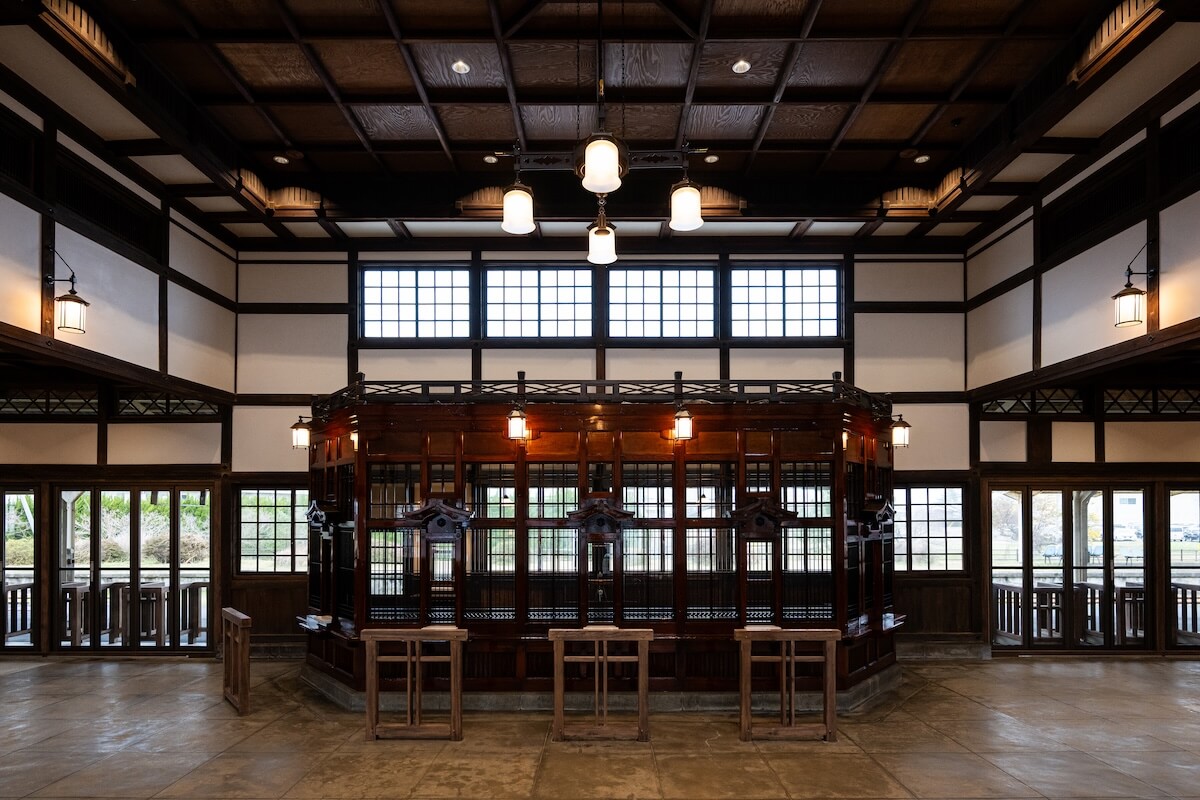
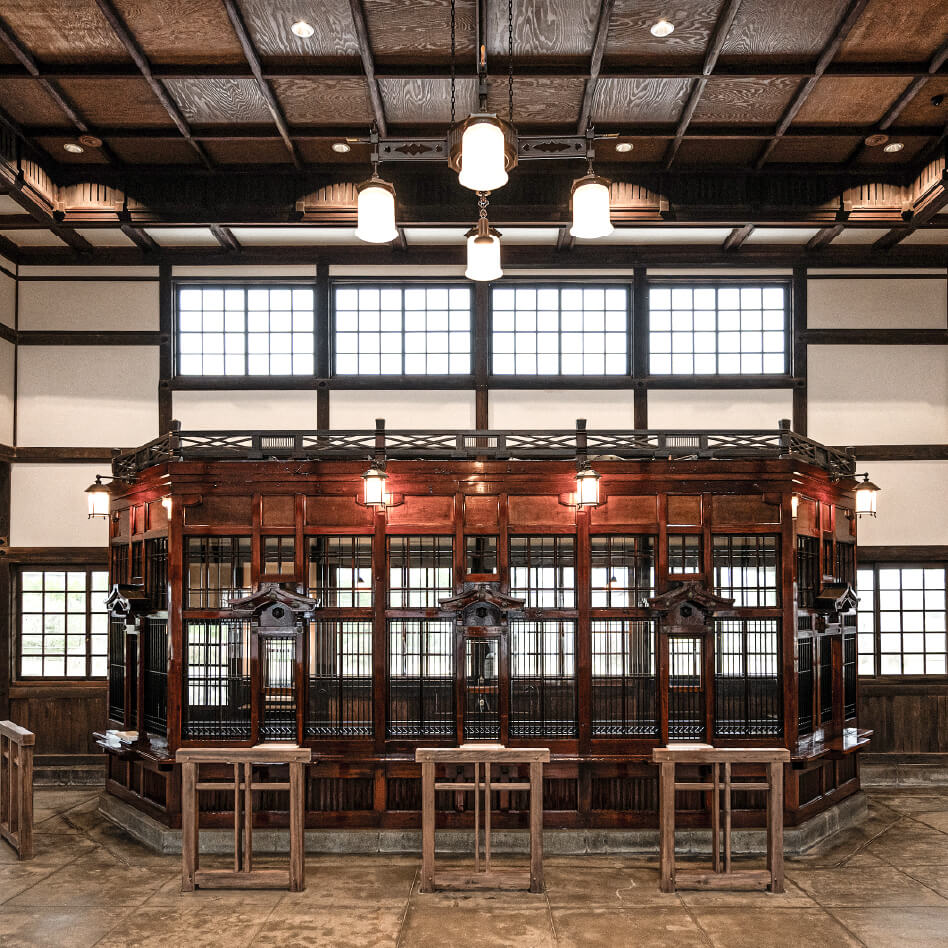
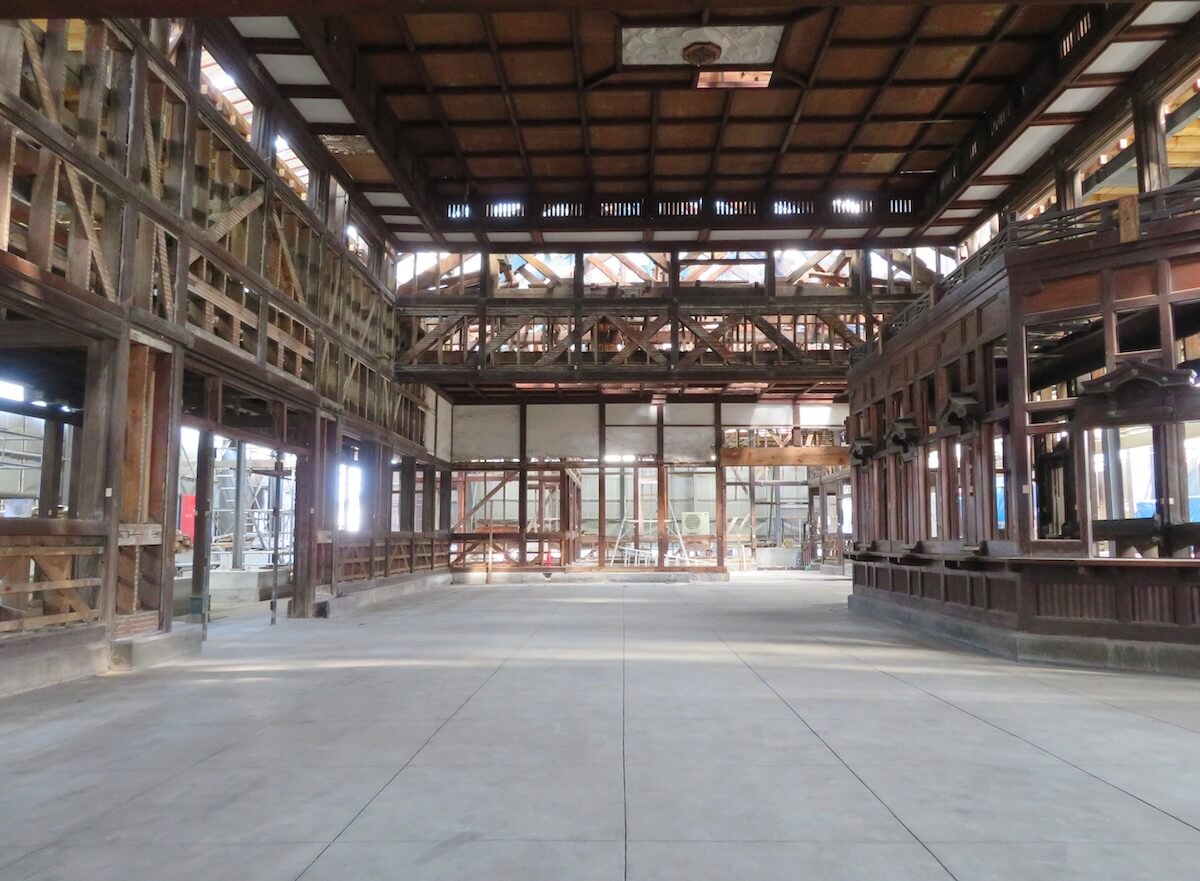
The third-class waiting room is the large central space of Former Taisha Station and was used by passengers traveling in third-class cars. The ticket office stands at the center, with ticket gates on both sides. The ceiling is finished with a raised coffered ceiling (sunken square or rectangular panels, called coffers, arranged in a grid, where the center portion is lifted higher than the surrounding edges).
The spacious open interior, which cannot be created without pillars through traditional Japanese construction techniques, was made possible through the use of a Western truss structure in the roof space.
Always Open
First- and Second-Class Waiting Room


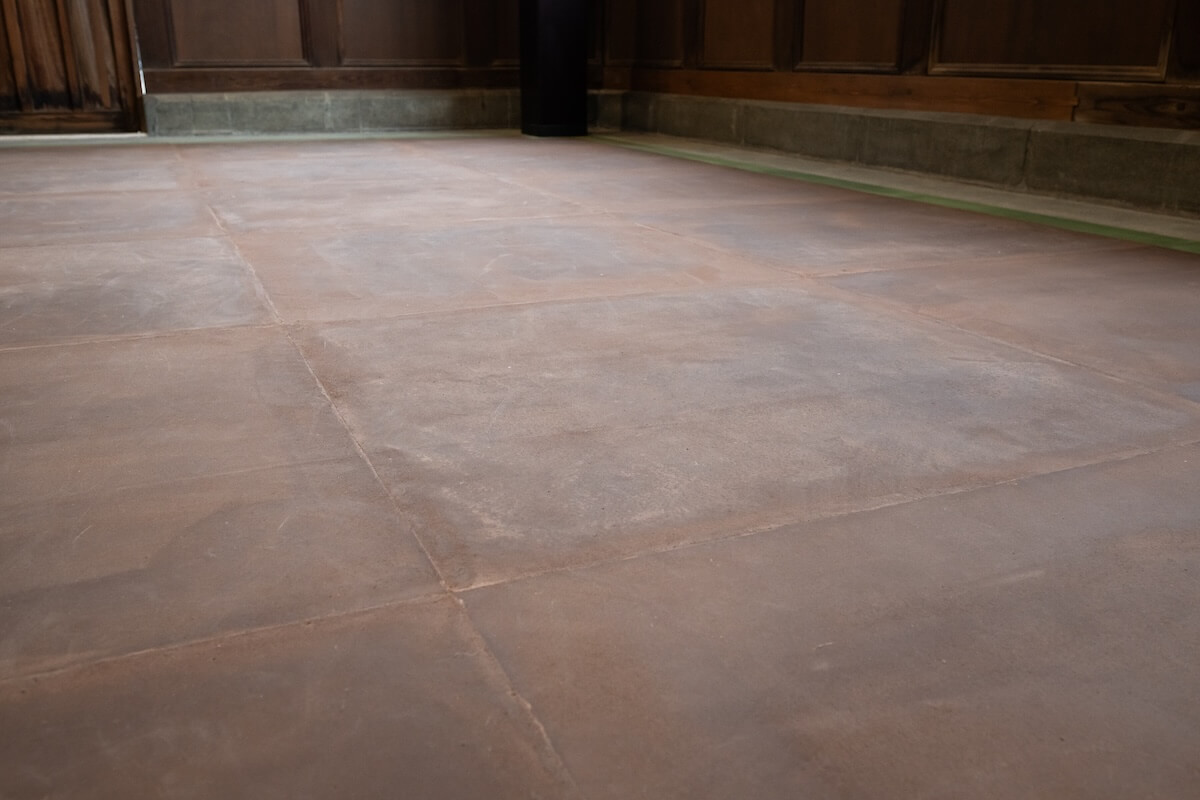
This room served passengers traveling in first- and second-class cars. Veneer panel wainscoting, considered a luxury material at the time, and a coffered ceiling create a more elegant space than the third-class waiting room.
The floor uses a magnesium-based cement finish, known as lignoid coating, giving the room a grand appearance.
Special Days Only
Baggage Handling Room
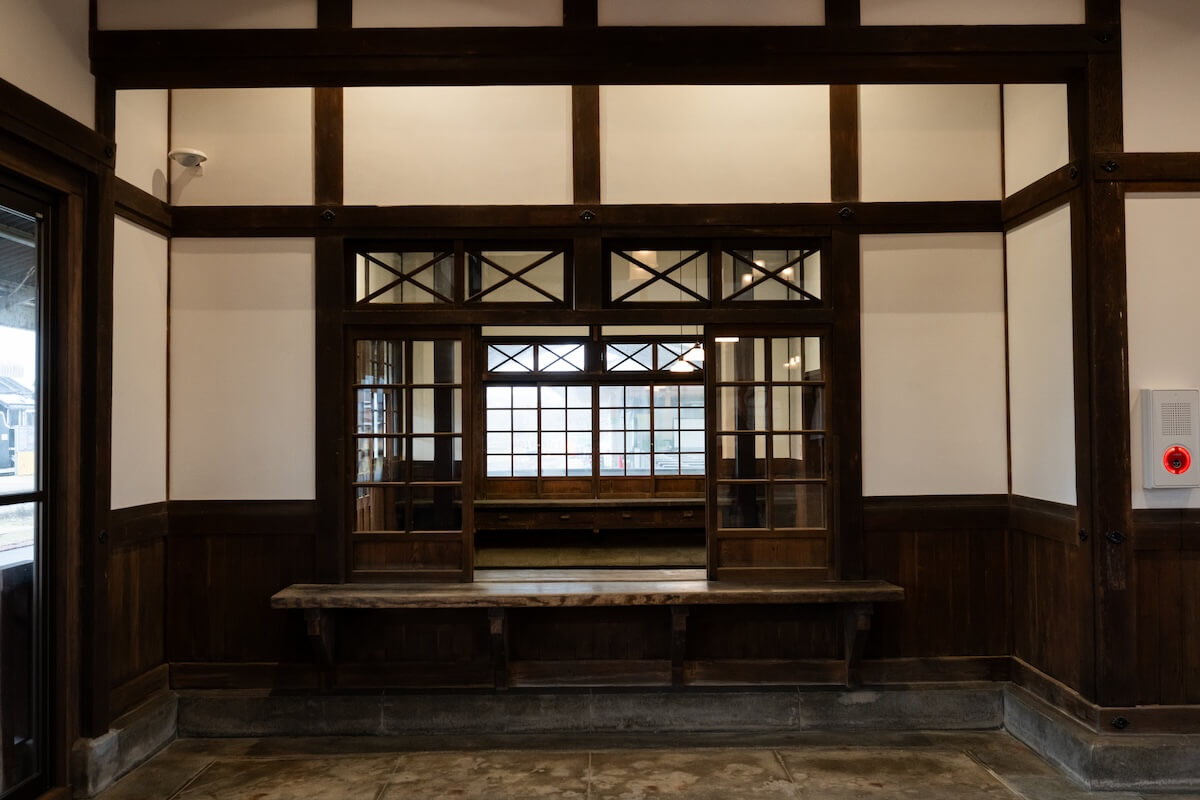

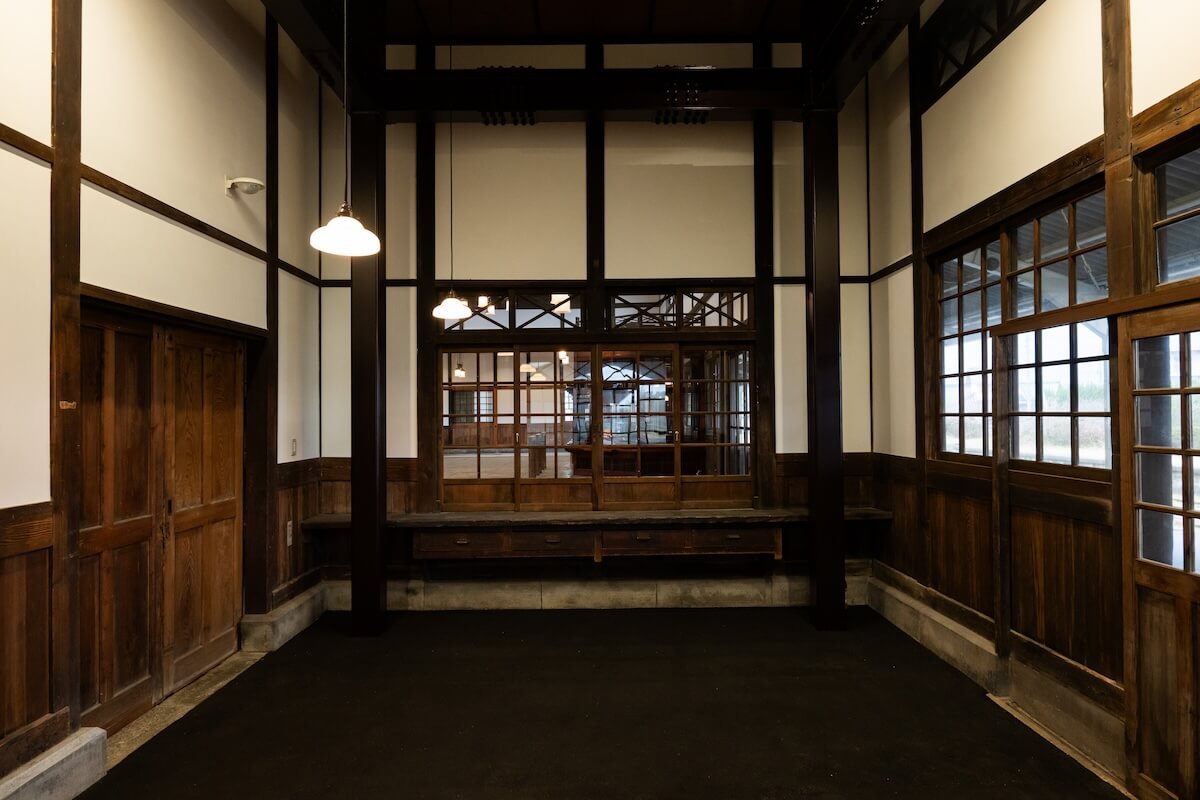
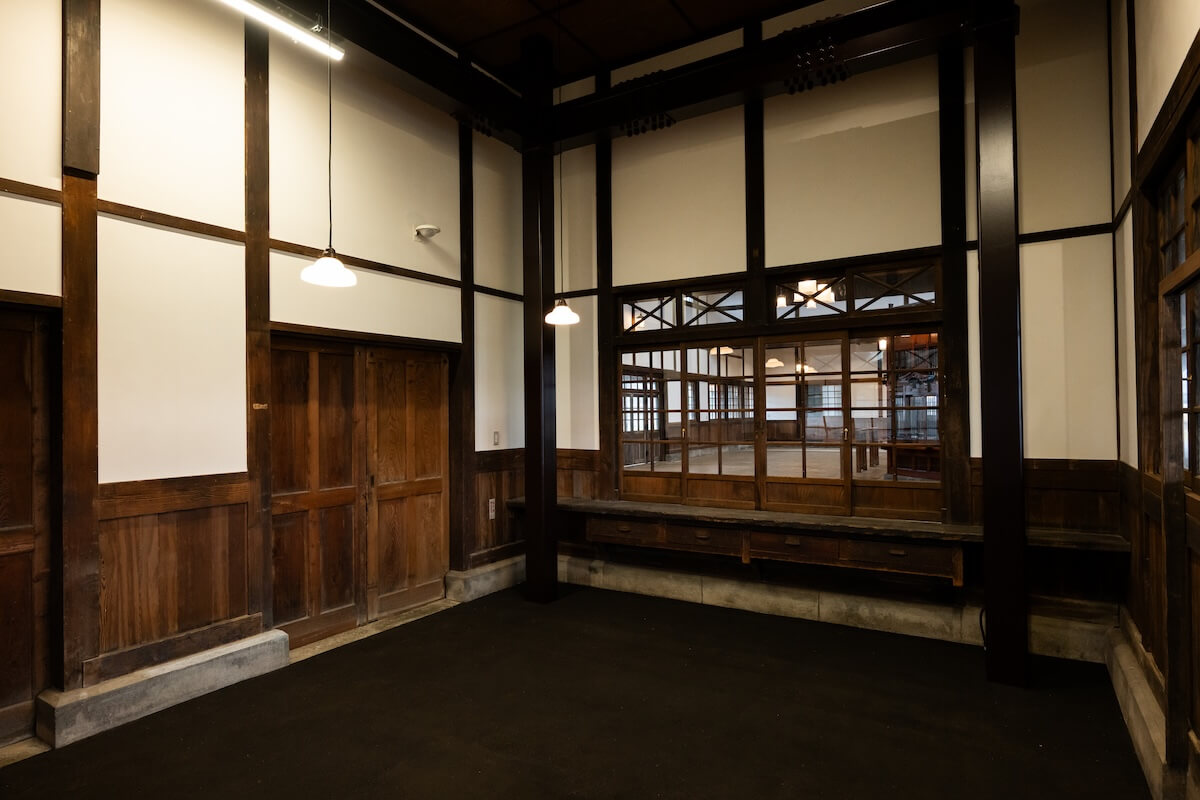
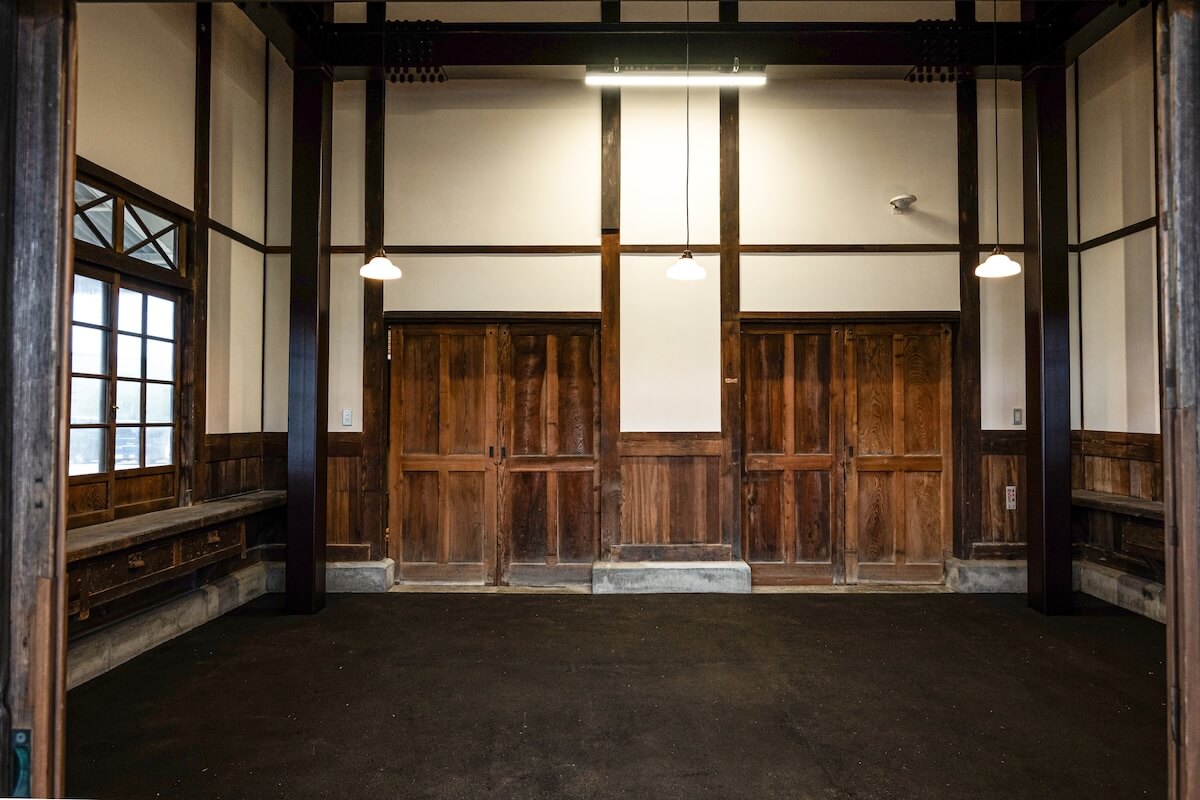
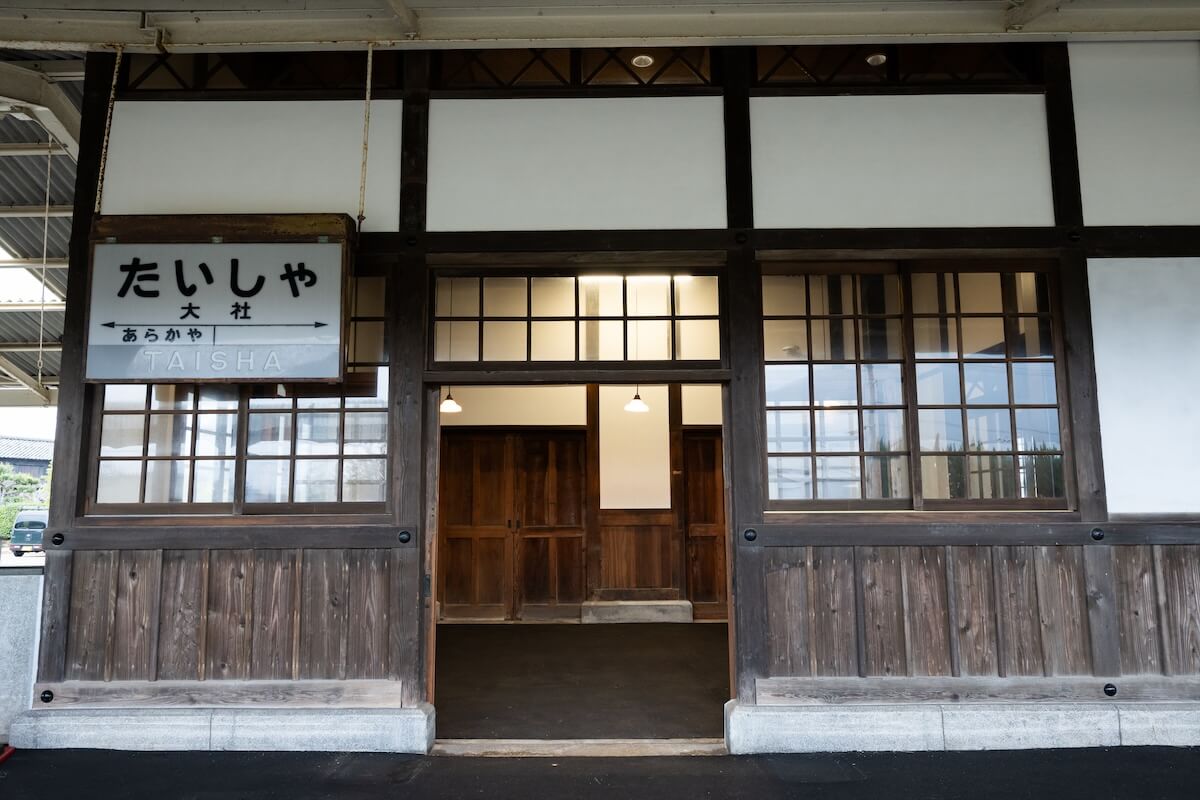
This office handled passenger luggage as well as small cargo transported in freight cars attached to passenger trains. Windows for sending and receiving parcels are provided both on the third-class waiting room side and on the exterior of the station’s south side. The floor is finished in asphalt mortar, and a storage room used to hold parcels still remains at the back, an enduring testament to the large number of items that once moved through the station.
Special Days Only
Ticket Office
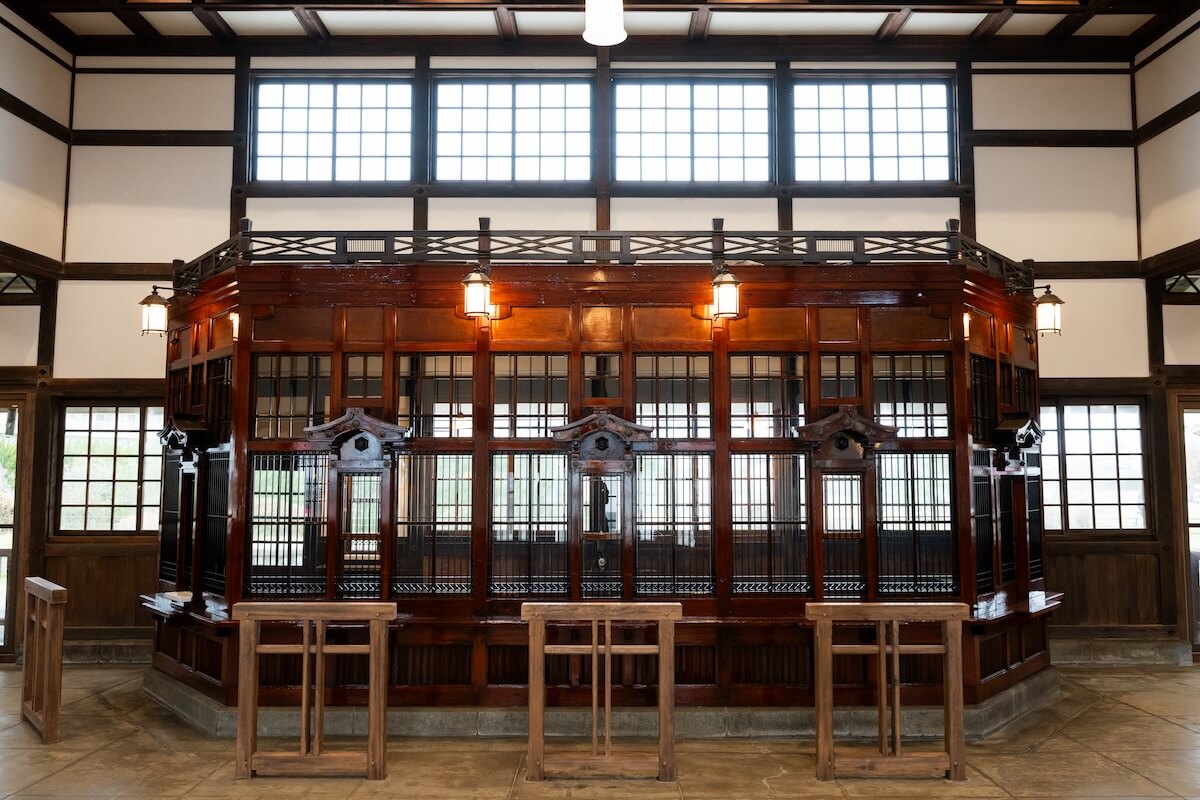

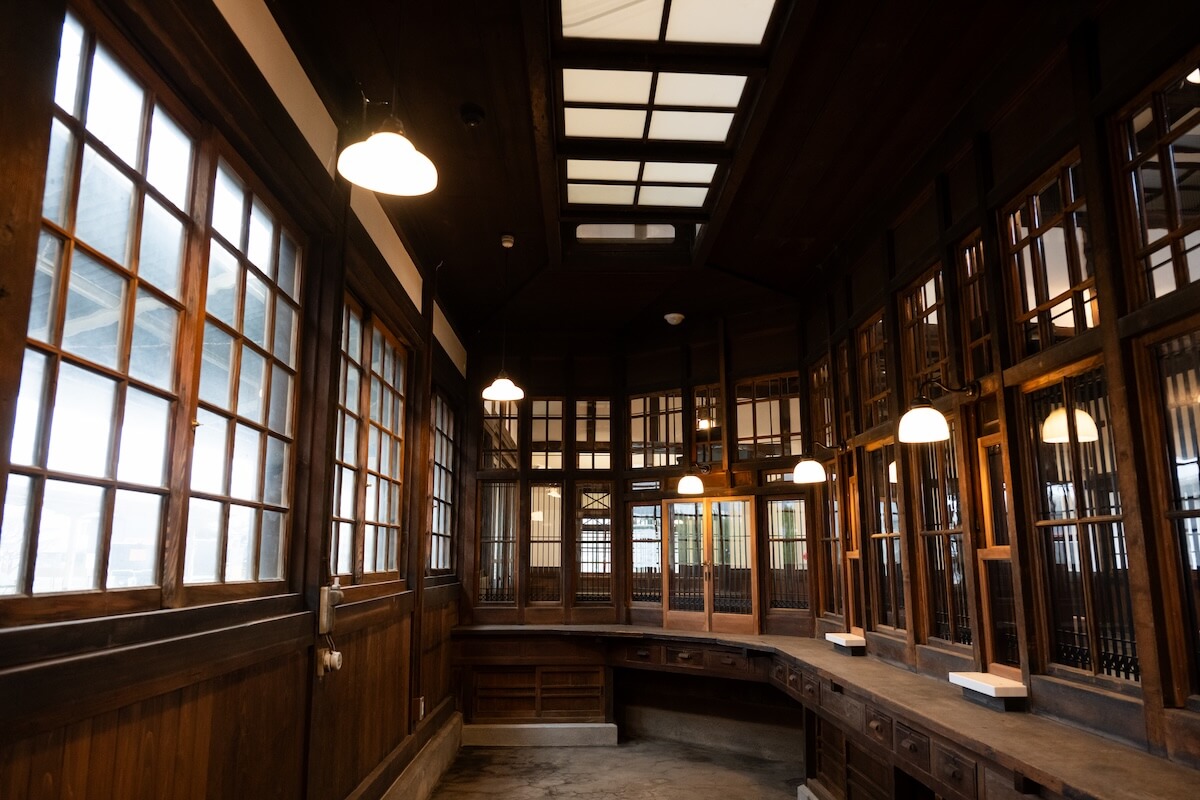
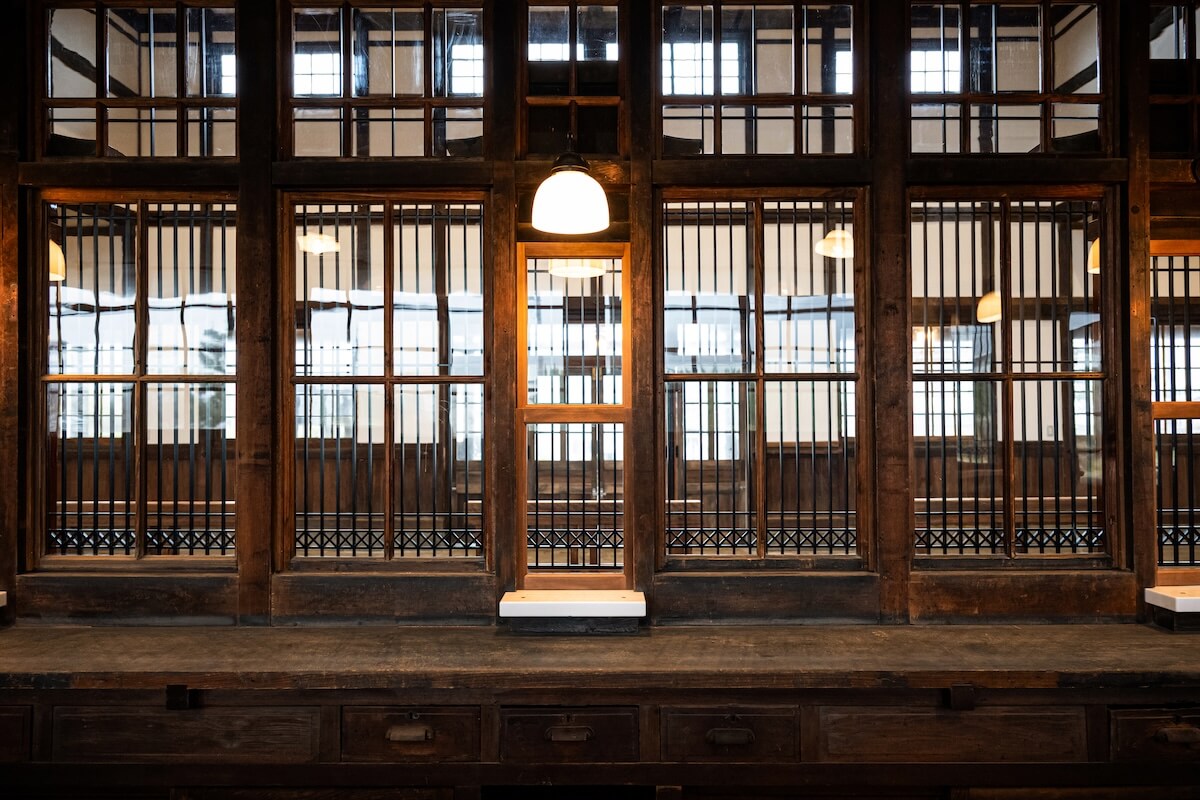
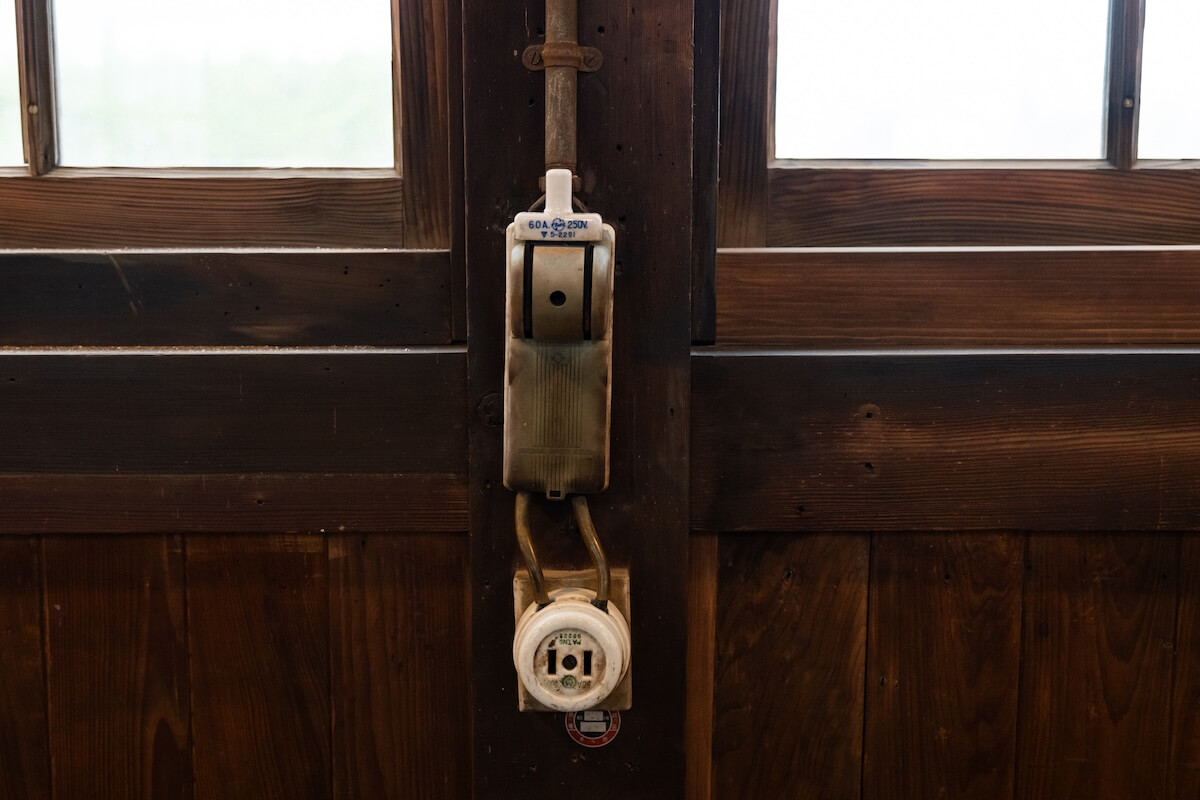
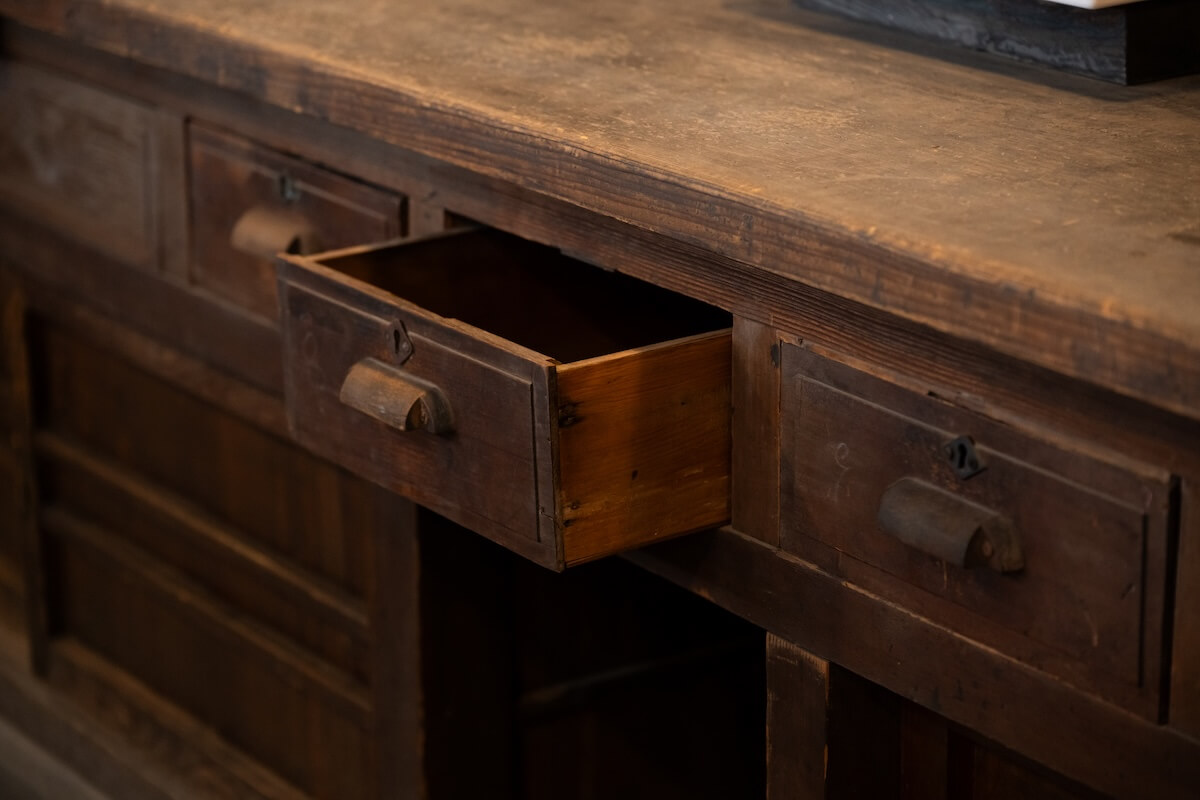
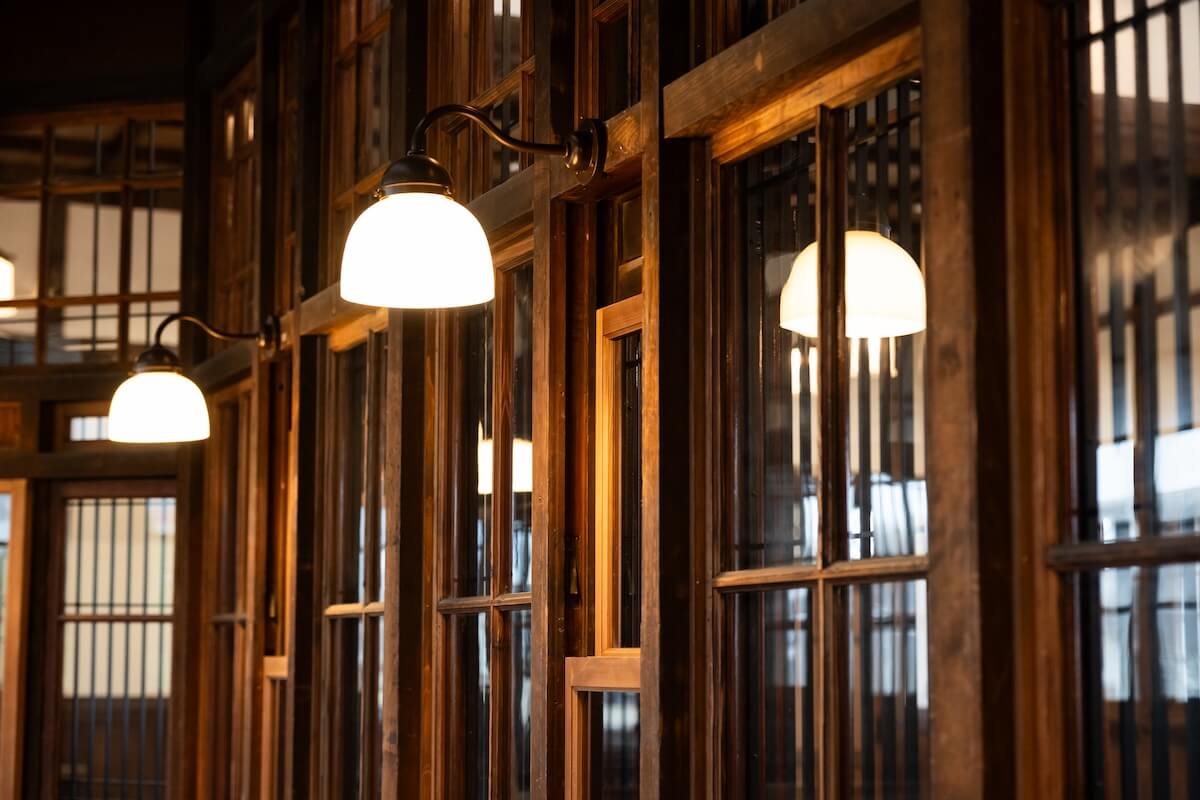
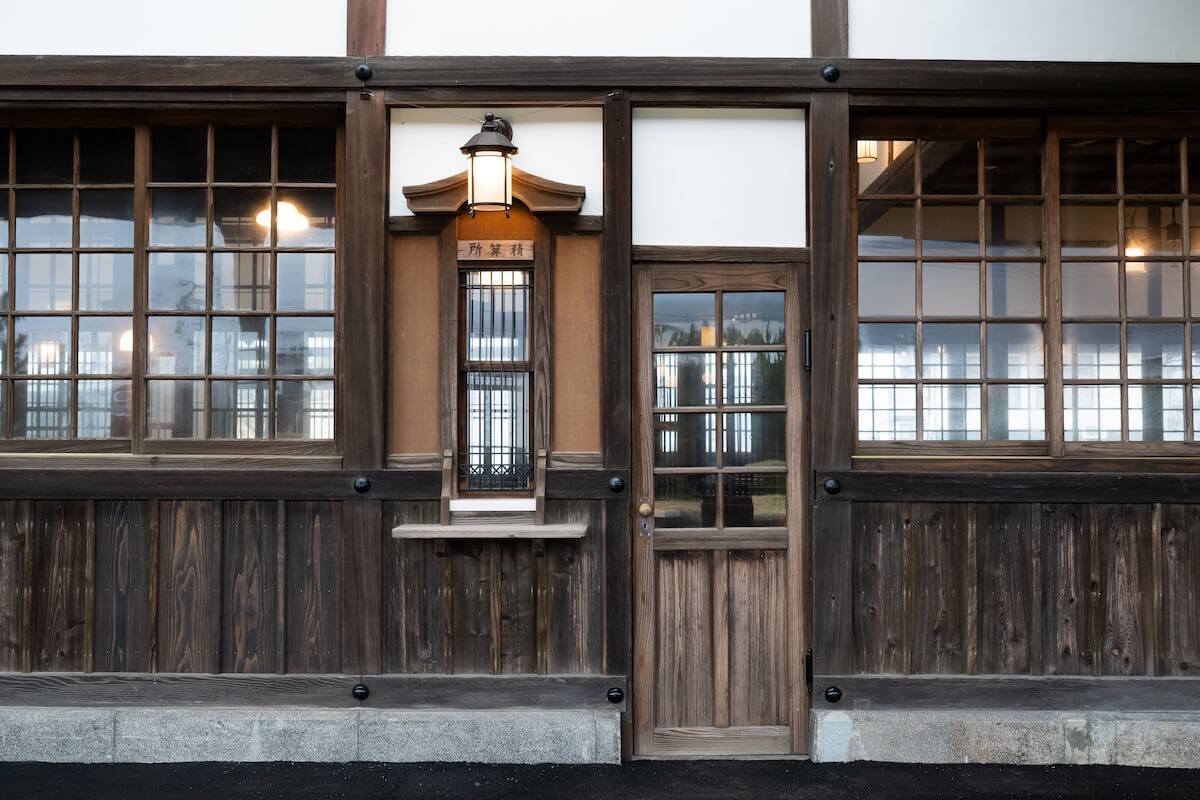
This office was used for customer service, primarily to issue tickets for railway travel. Located within the third-class waiting room, it contains four ticket windows and one telegraph service window, as well as one fare-adjustment window on the platform side.
During the Reiwa-era restoration work, the metal iron grilles and crowd-control barriers were reconstructed. Designed according to the functional rules of station buildings while maintaining a Japanese aesthetic, the ticket office played a central role both practically and architecturally.
Special Days Only
VIP Reception Room
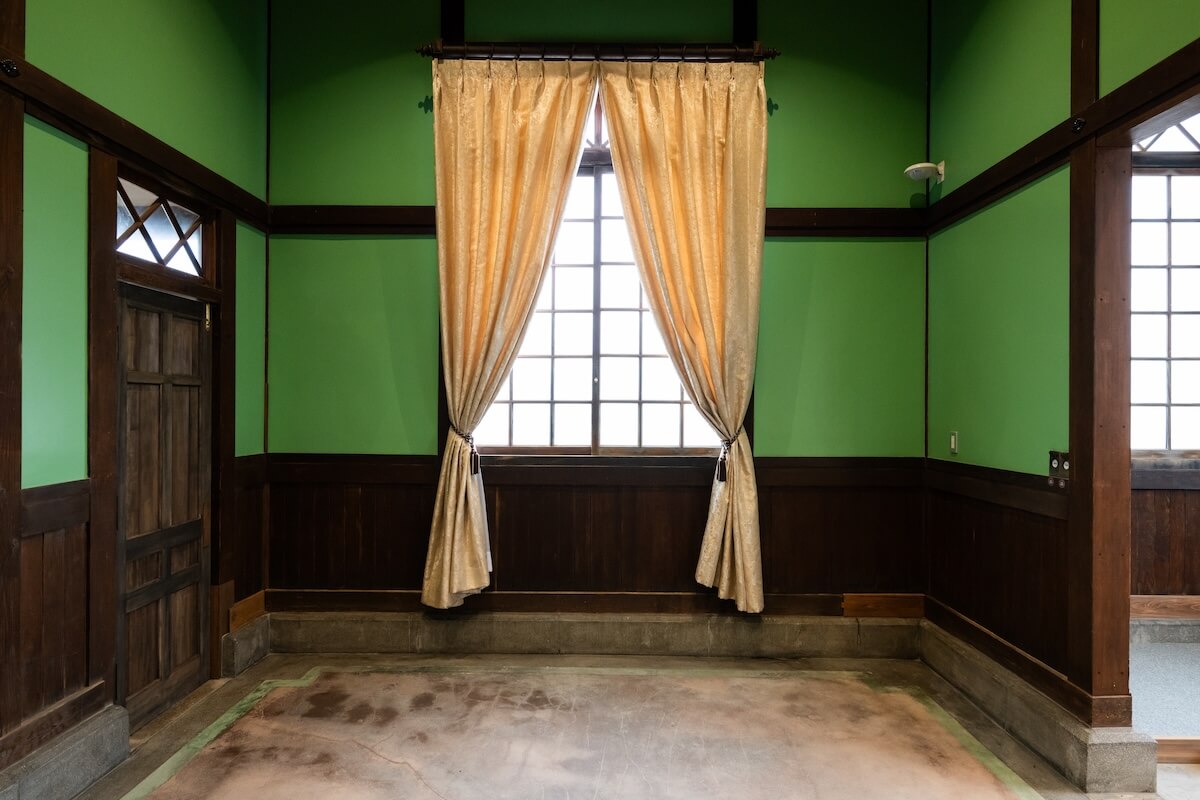

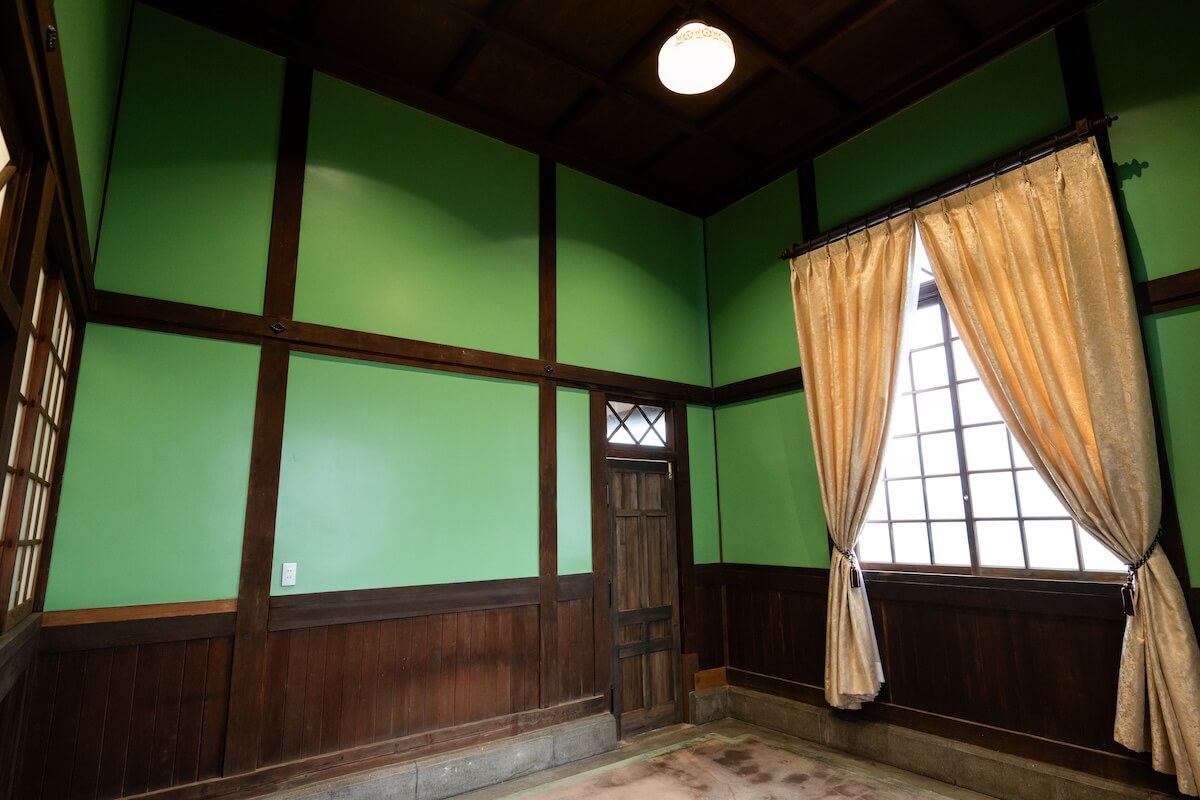
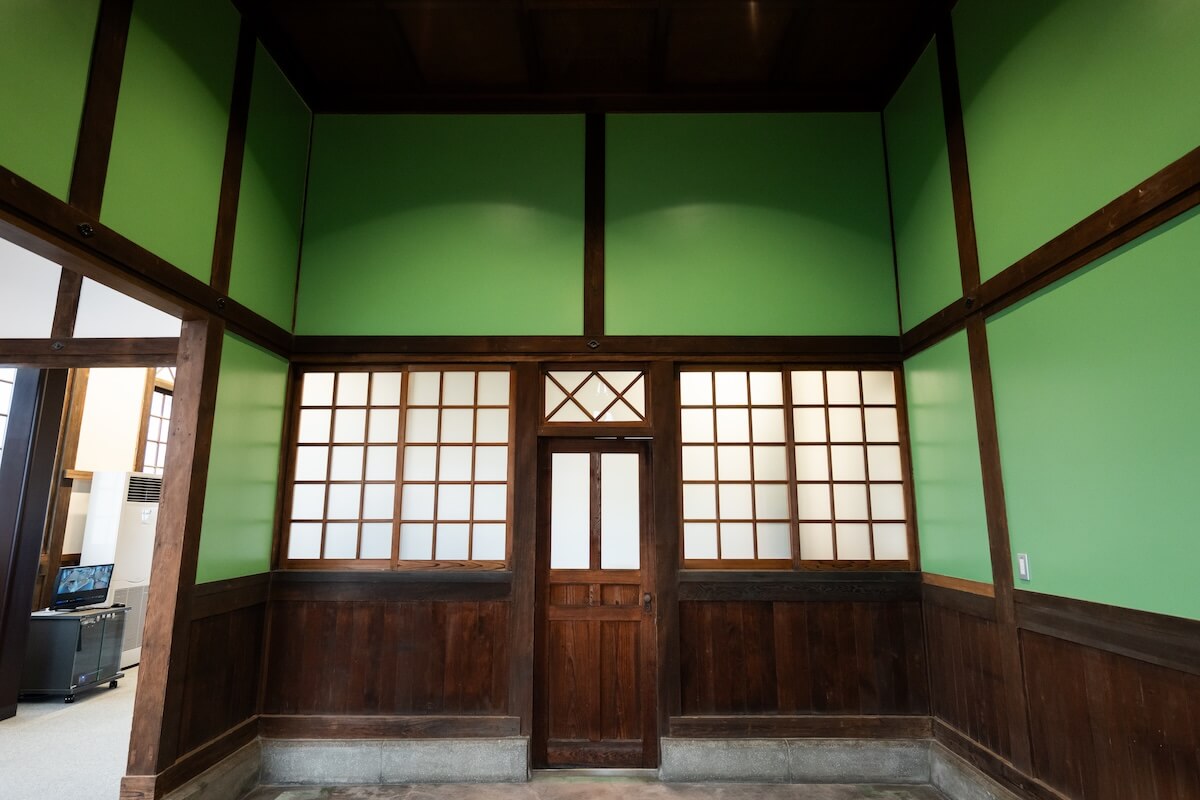
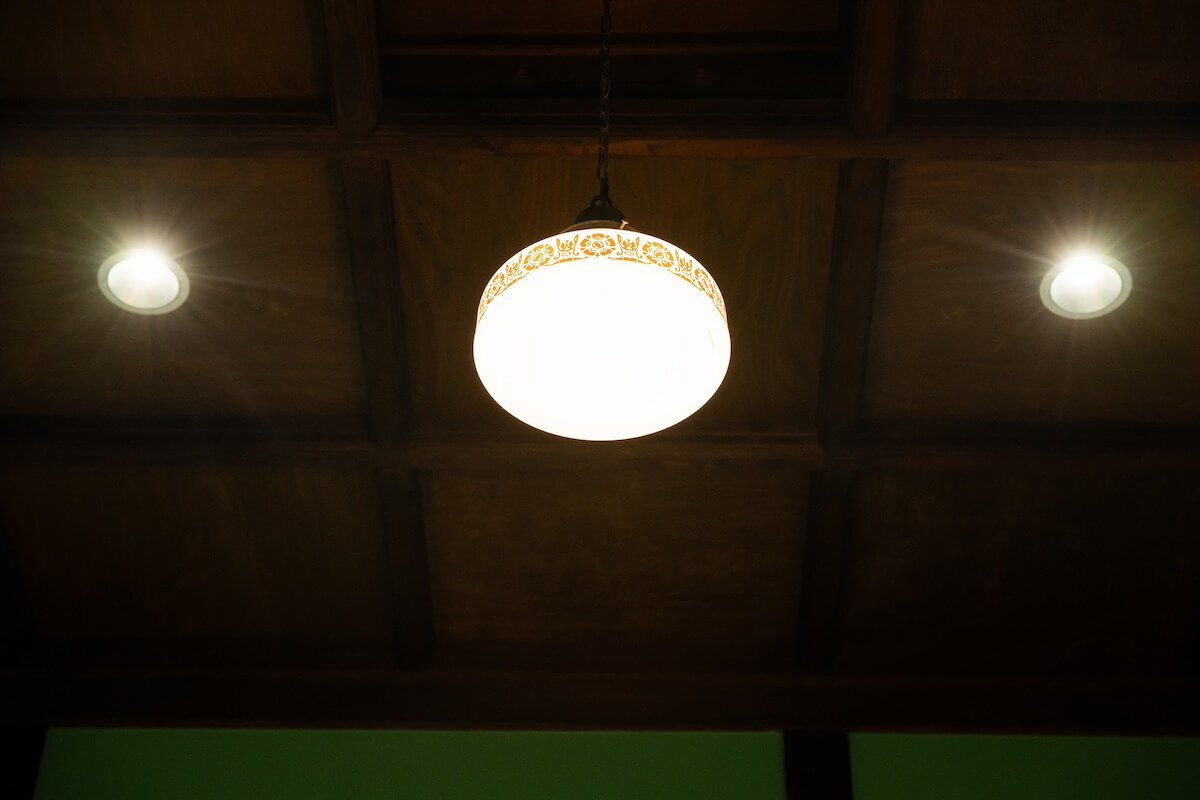
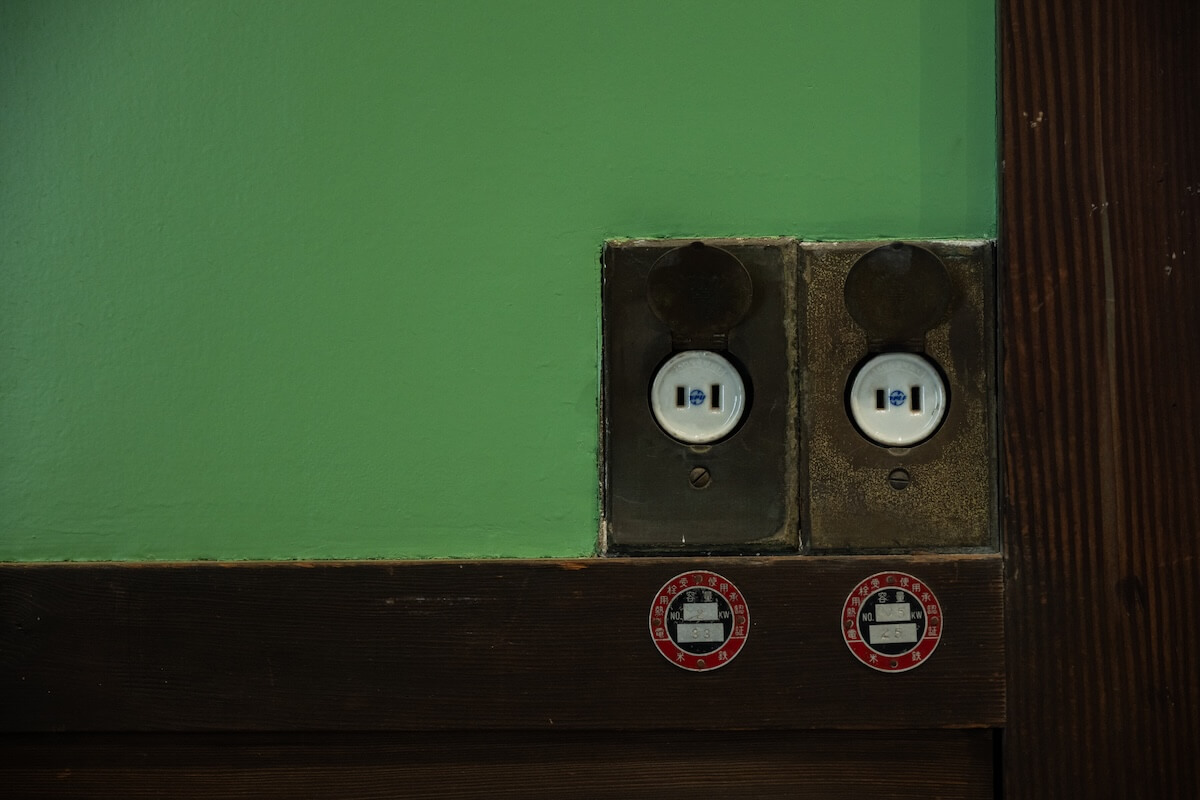
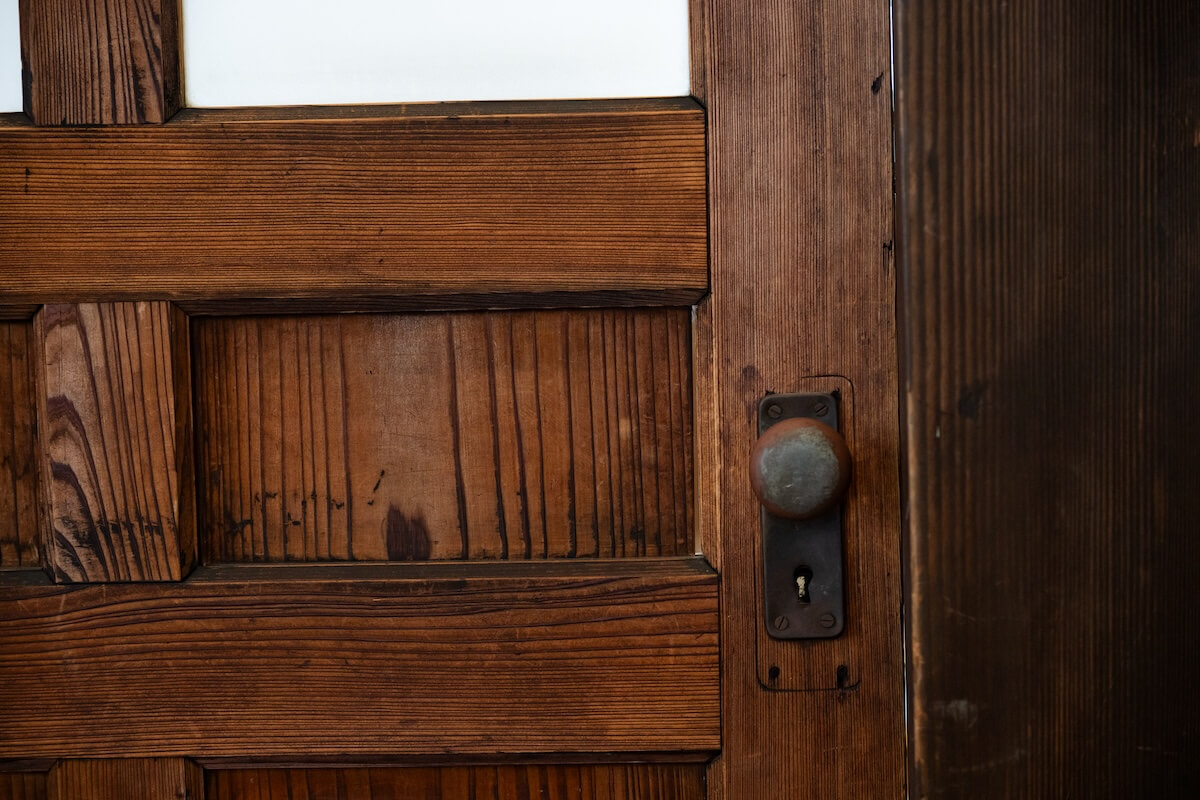
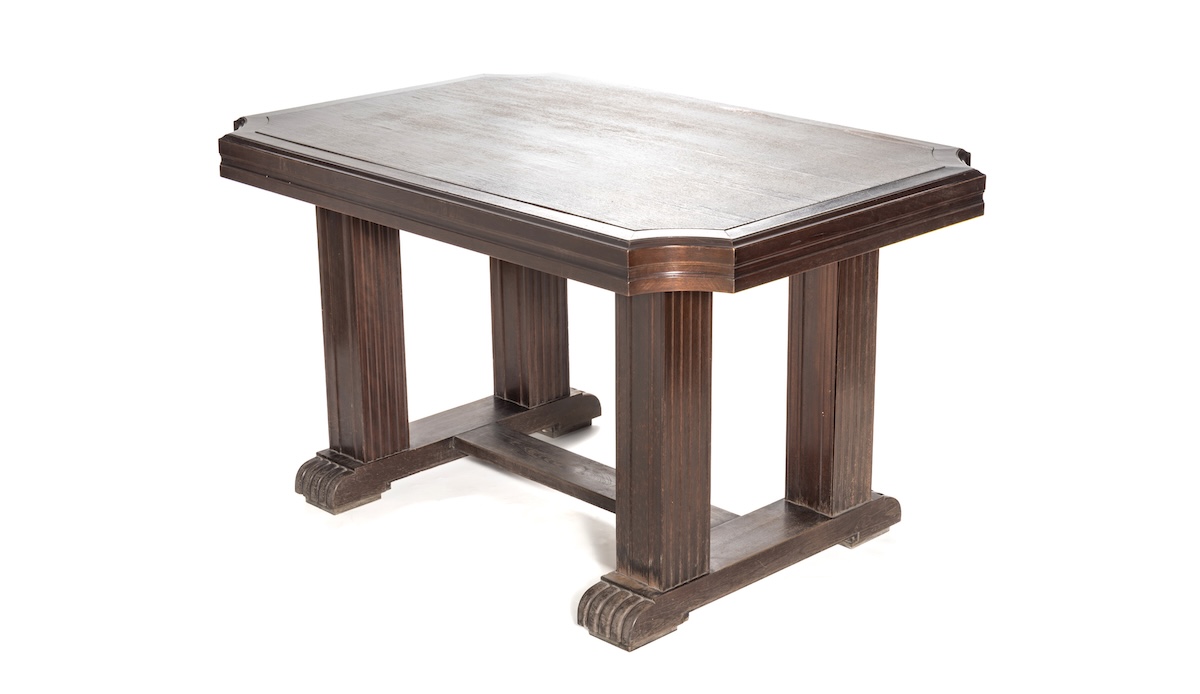
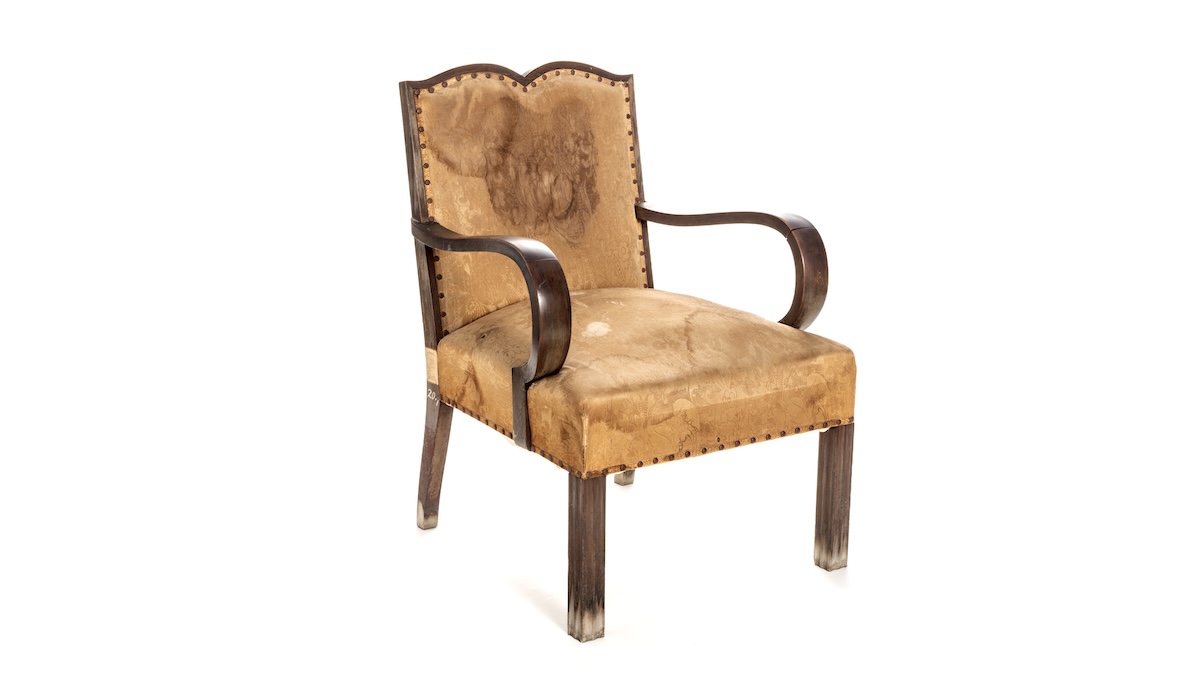
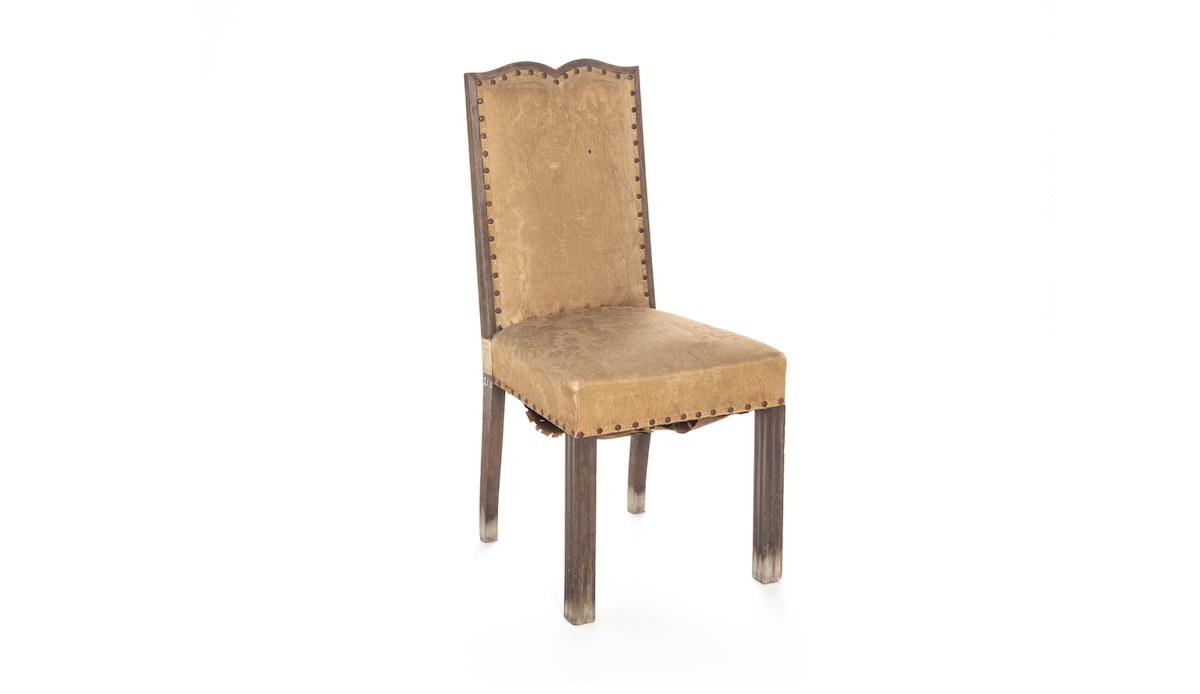
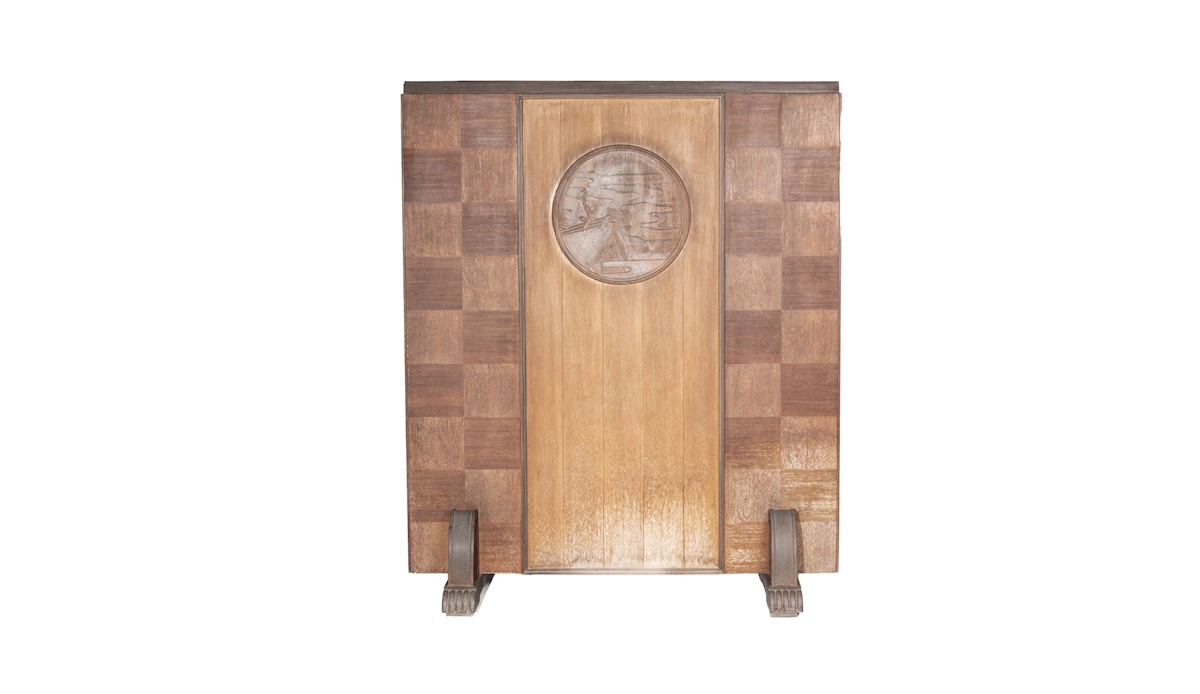
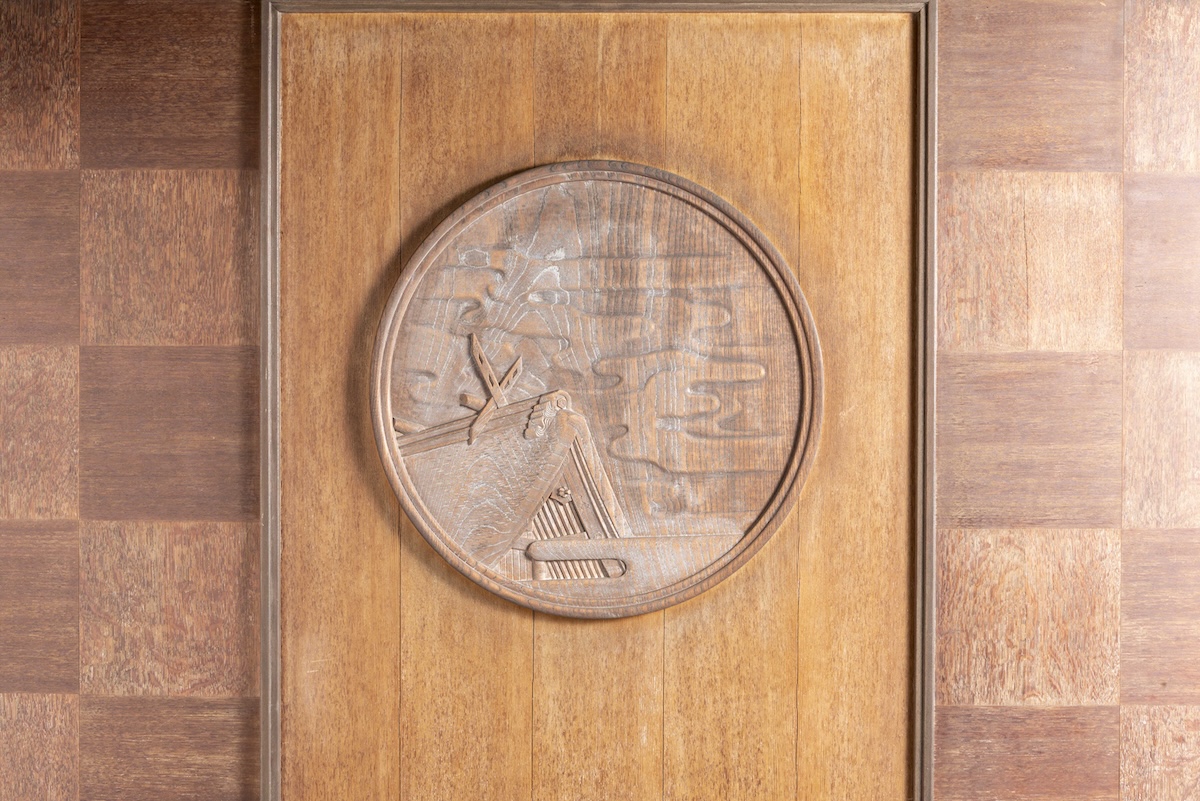
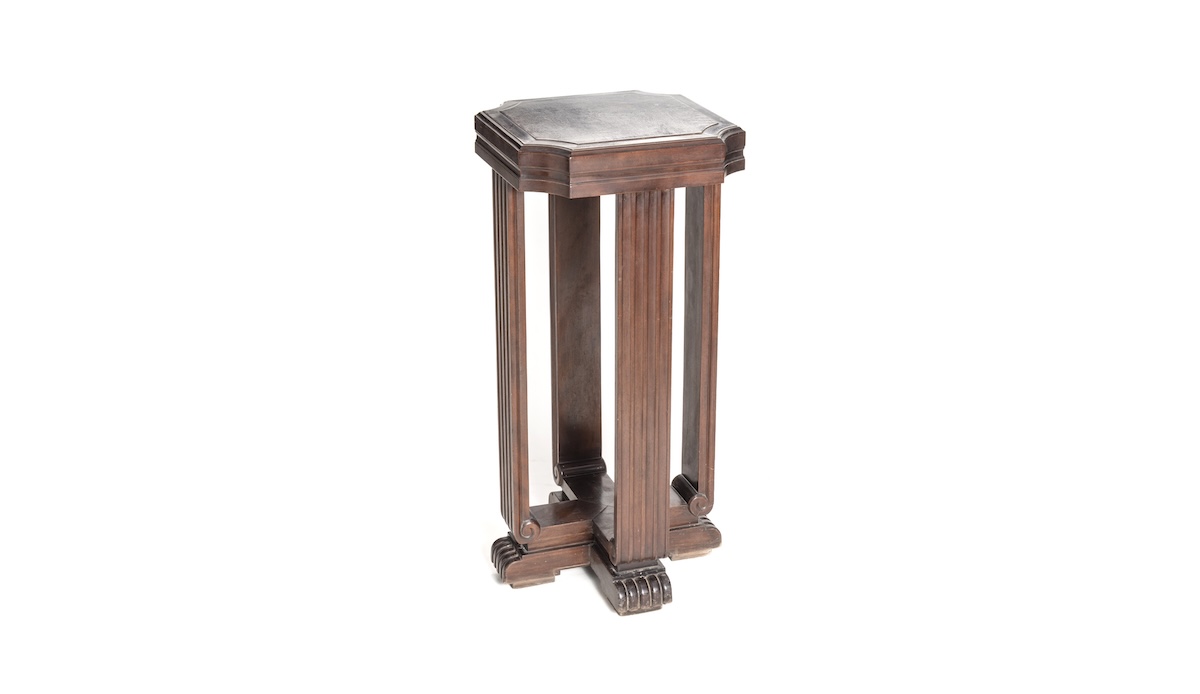
In 1935, about ten years after the construction of the second iteration of the station building, a VIP reception room was created to accommodate members of the Imperial family and distinguished guests using the station. This update reflected the station’s role as the eminent gateway to Izumo Taisha. Part of the office space was ceded to create this separate, upscale room. Its floor and ceiling materials, wall colors, and furnishings give it a more formal character than the general waiting rooms.
Public Telephone Booth
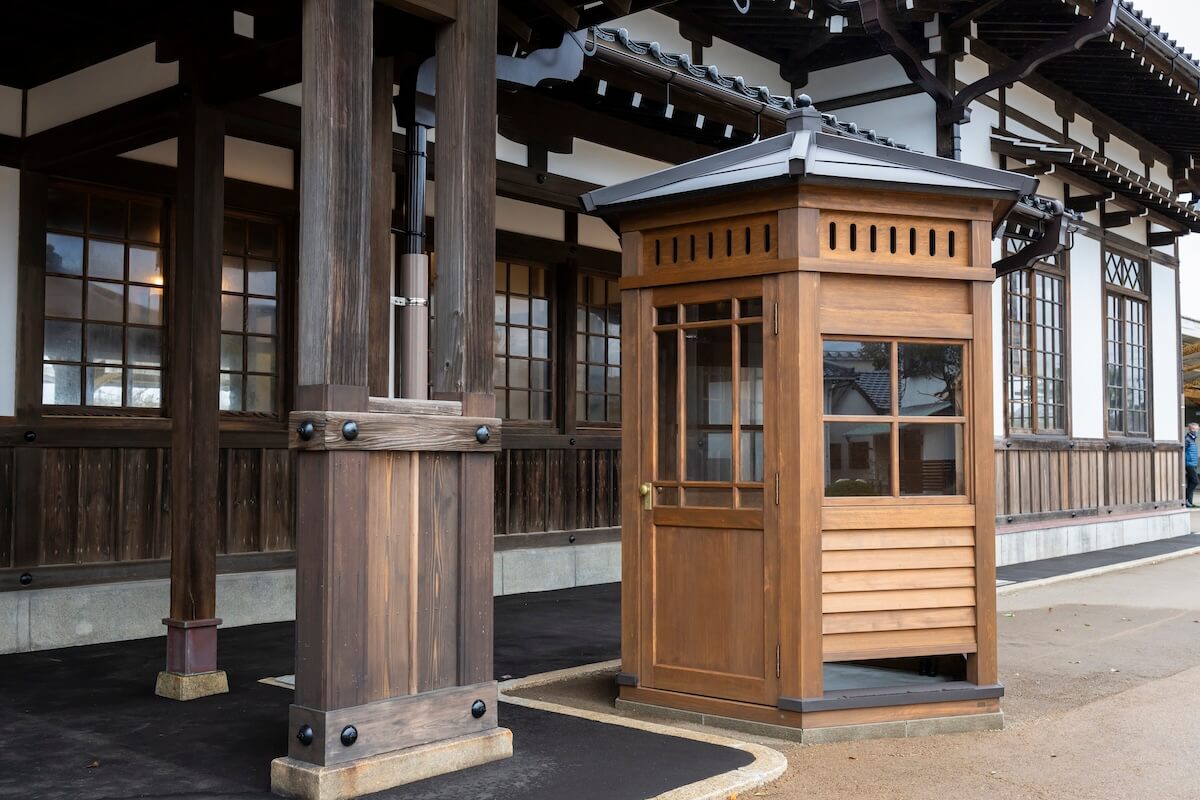

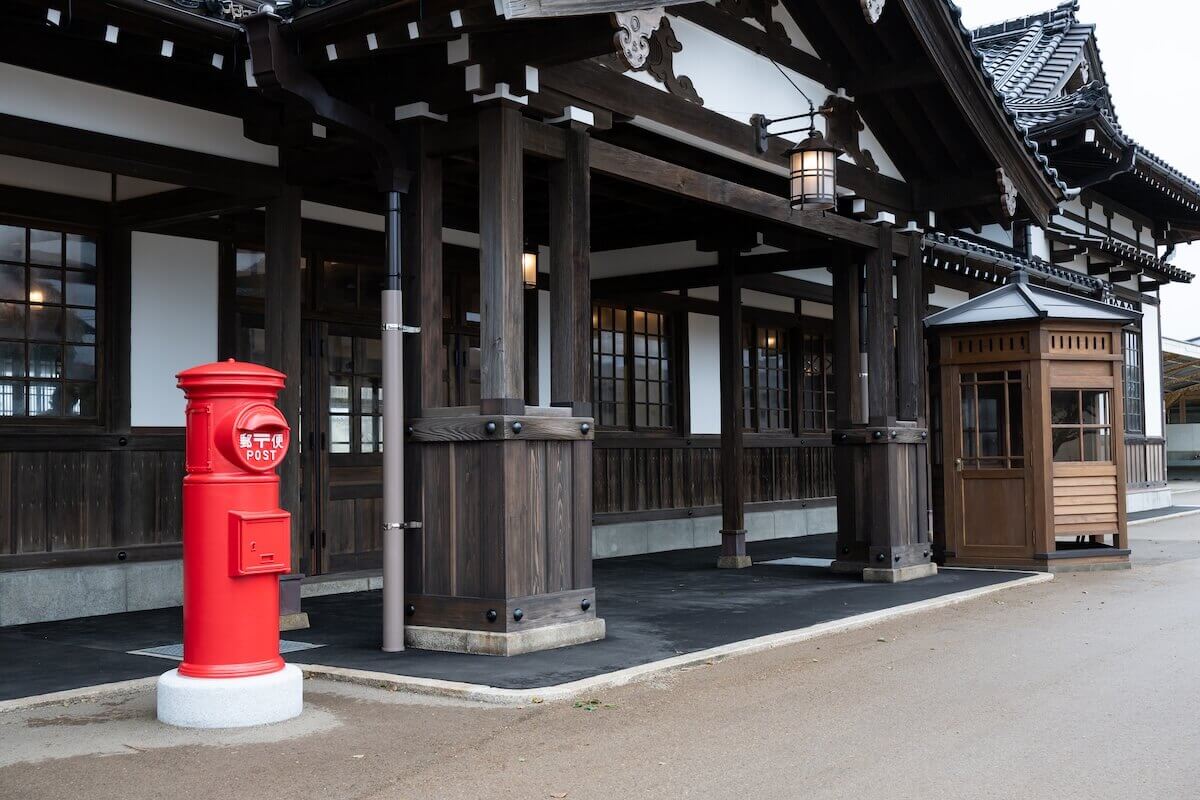
The public telephone booth originally installed in front of the station has been recreated based on historical photographs. At the time, it was called an “automatic telephone,” because callers could dial the number of the person they wanted to speak to rather than going through a human telephone operator to connect the call.
Until the establishment of the Railway Agency in 1908, railway operations of the Meiji government were managed by the Ministry of Communications, which oversaw postal, telegraph, and telephone services. Because so many people used them, railway stations later became important bases for the spread of these communication networks.
Shishiguchi
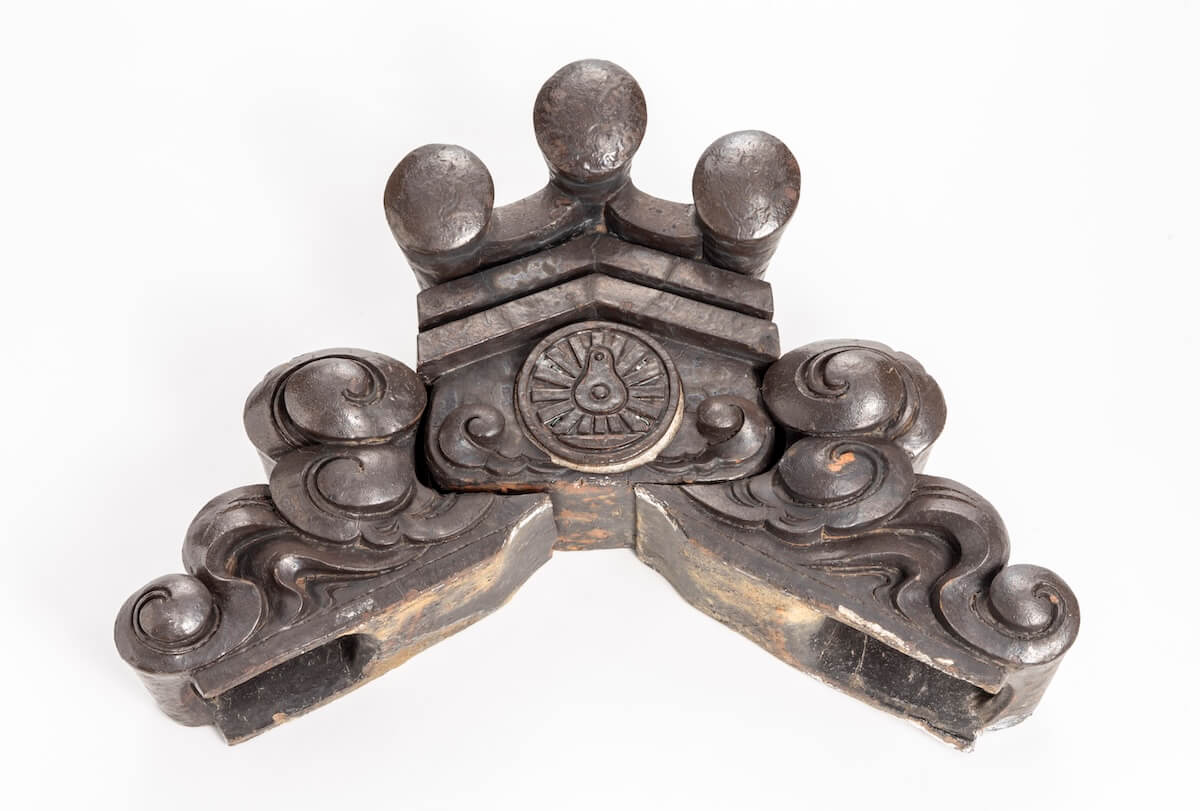
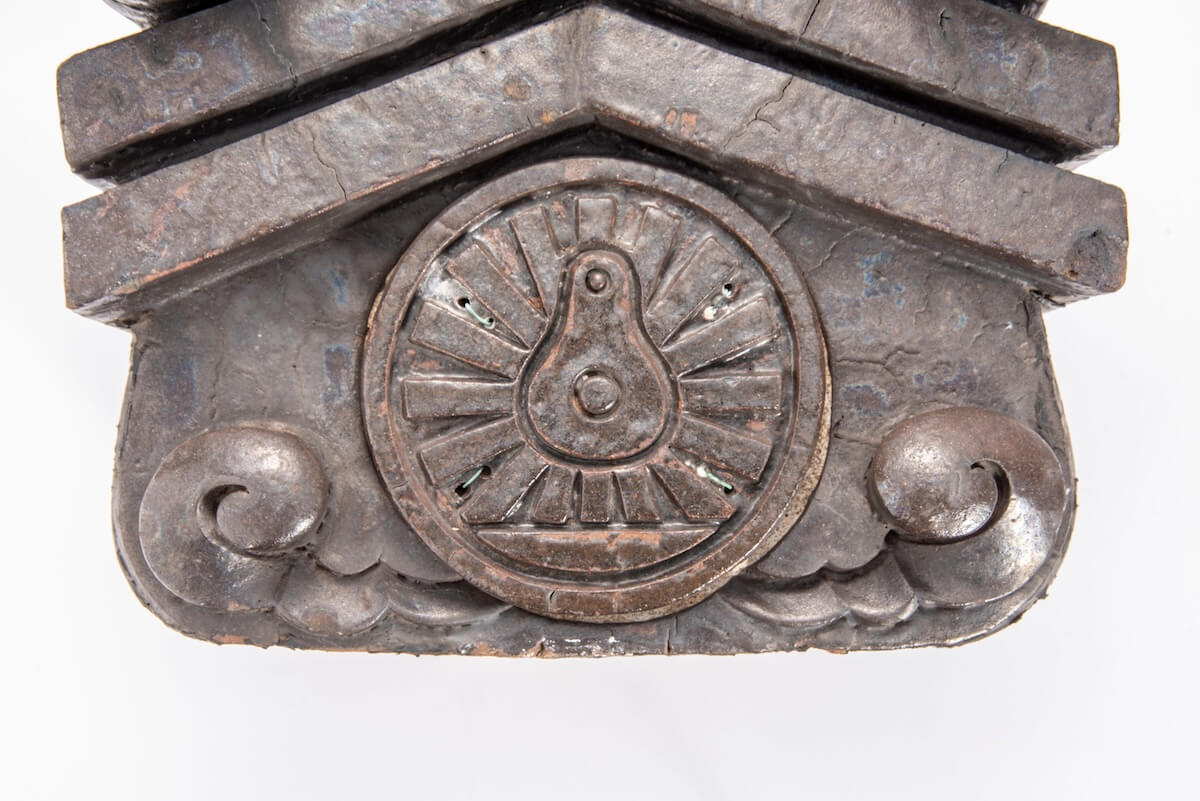
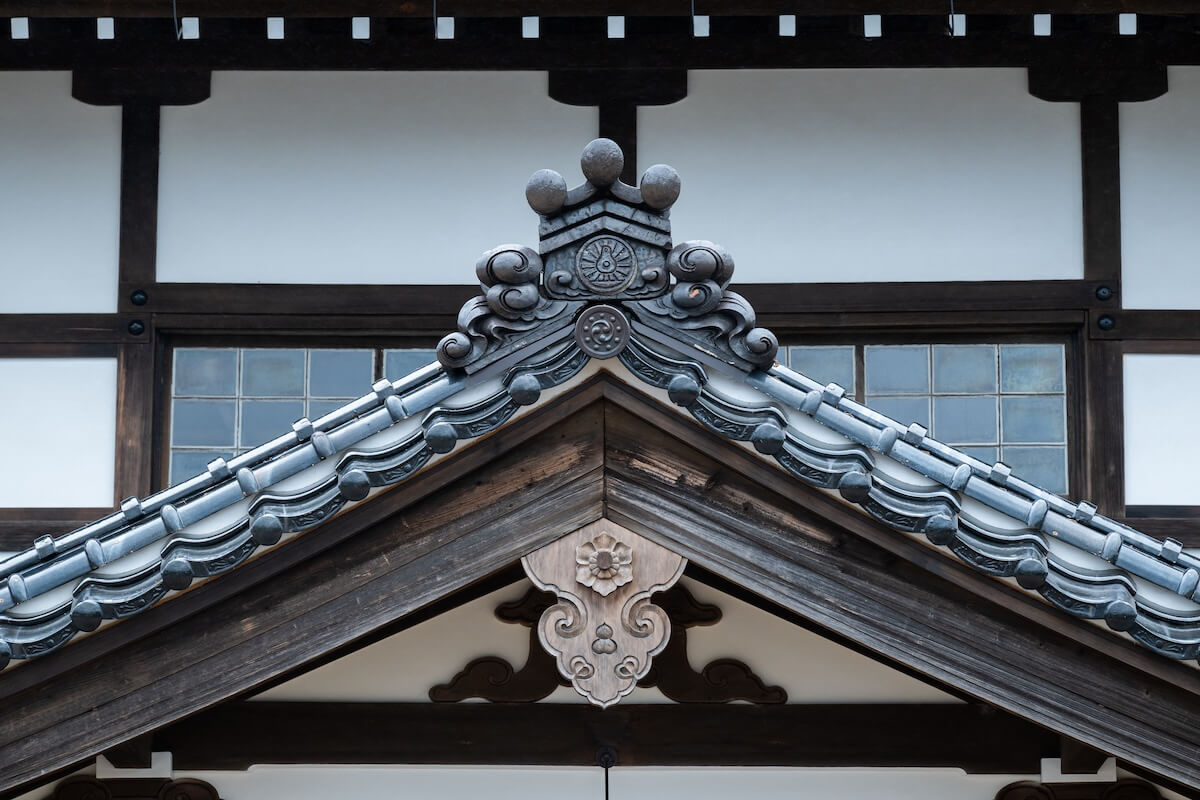
The shishiguchi, a type of onigawara decorative ridge-end roof tile, are engraved with the railway symbol known as the “dōrin māku” or “driving wheel mark,” indicating the prestige of the station when it was part of the national rail network.
Tomebuta-gawara
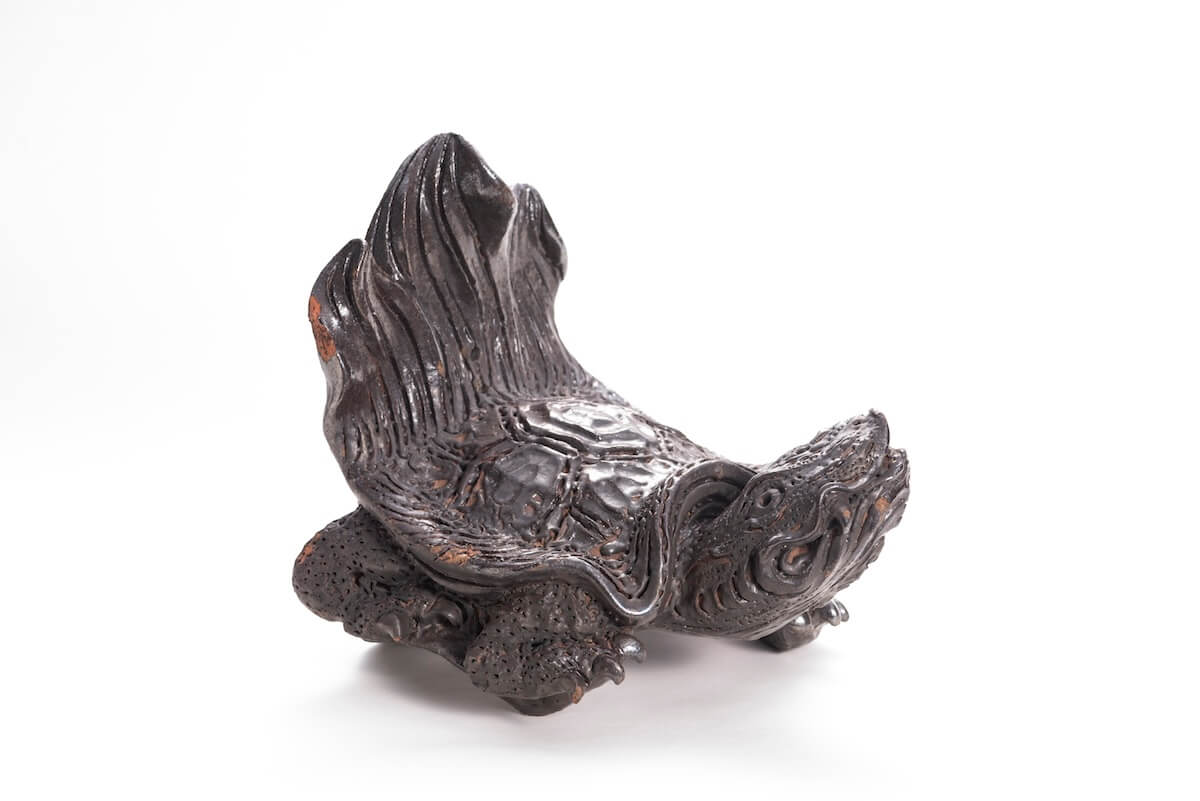
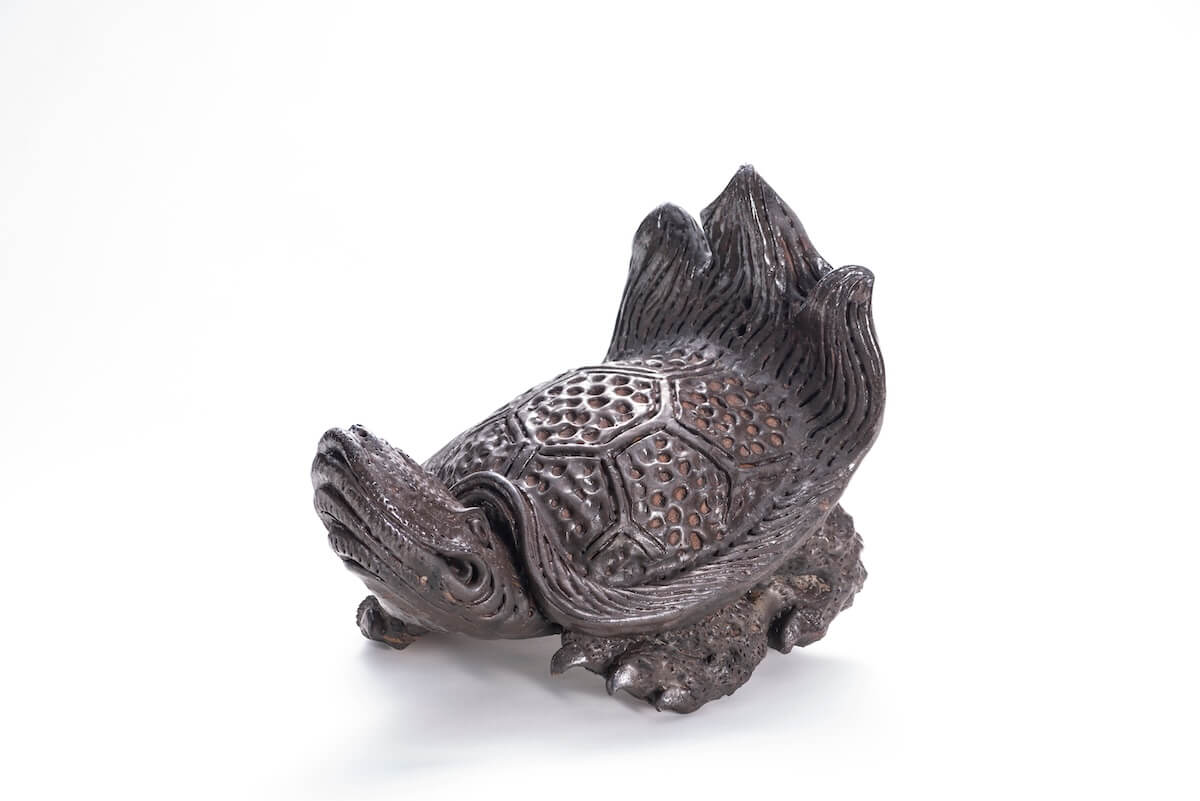
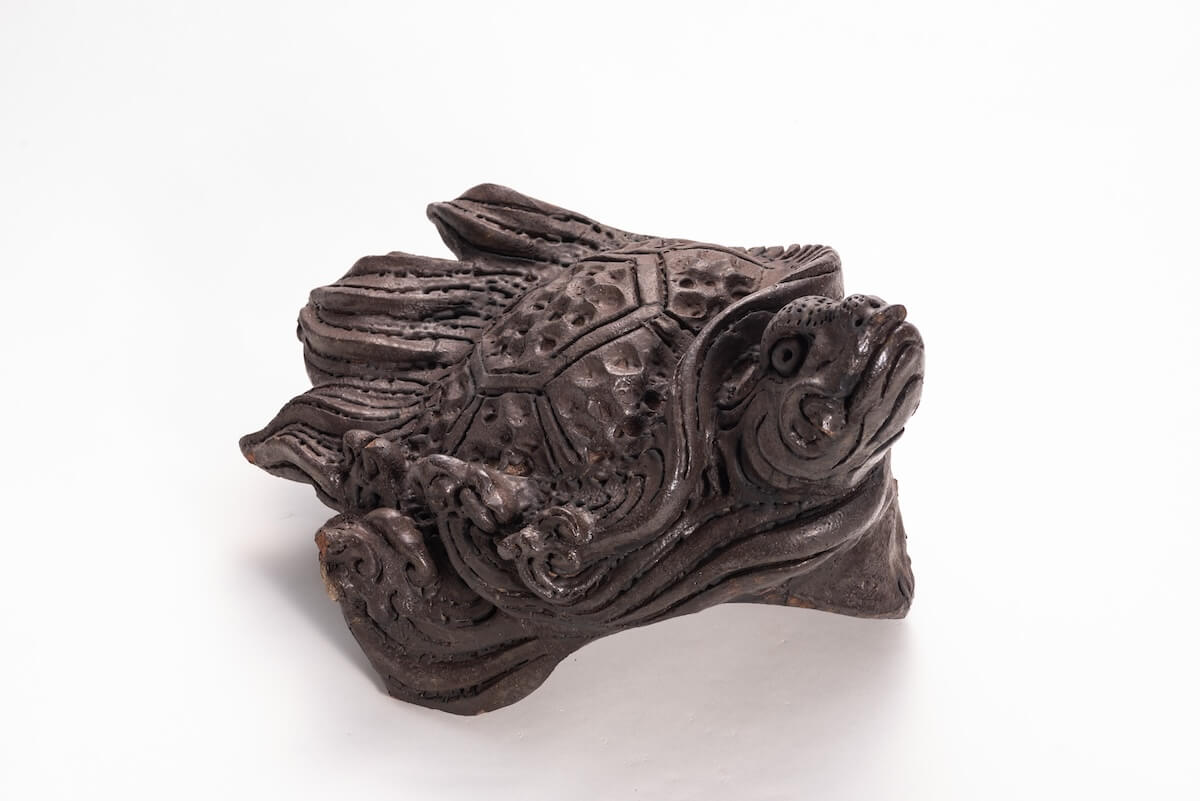
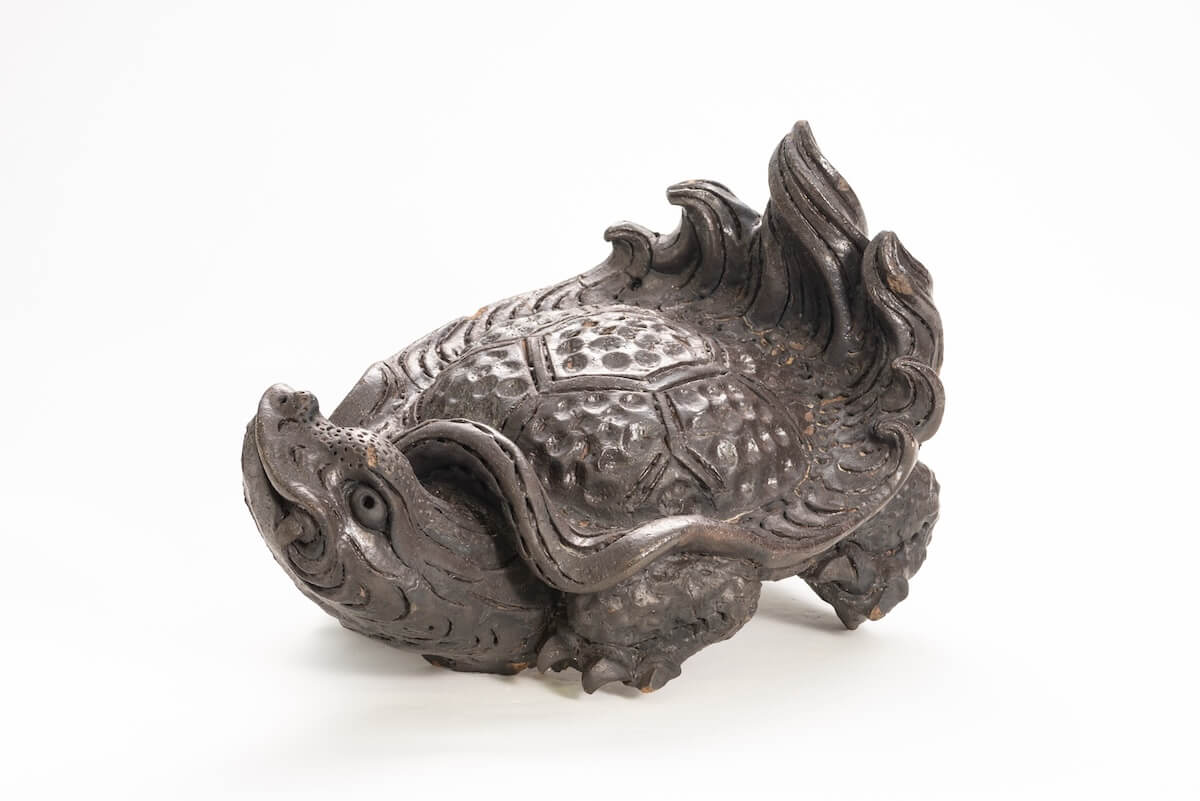
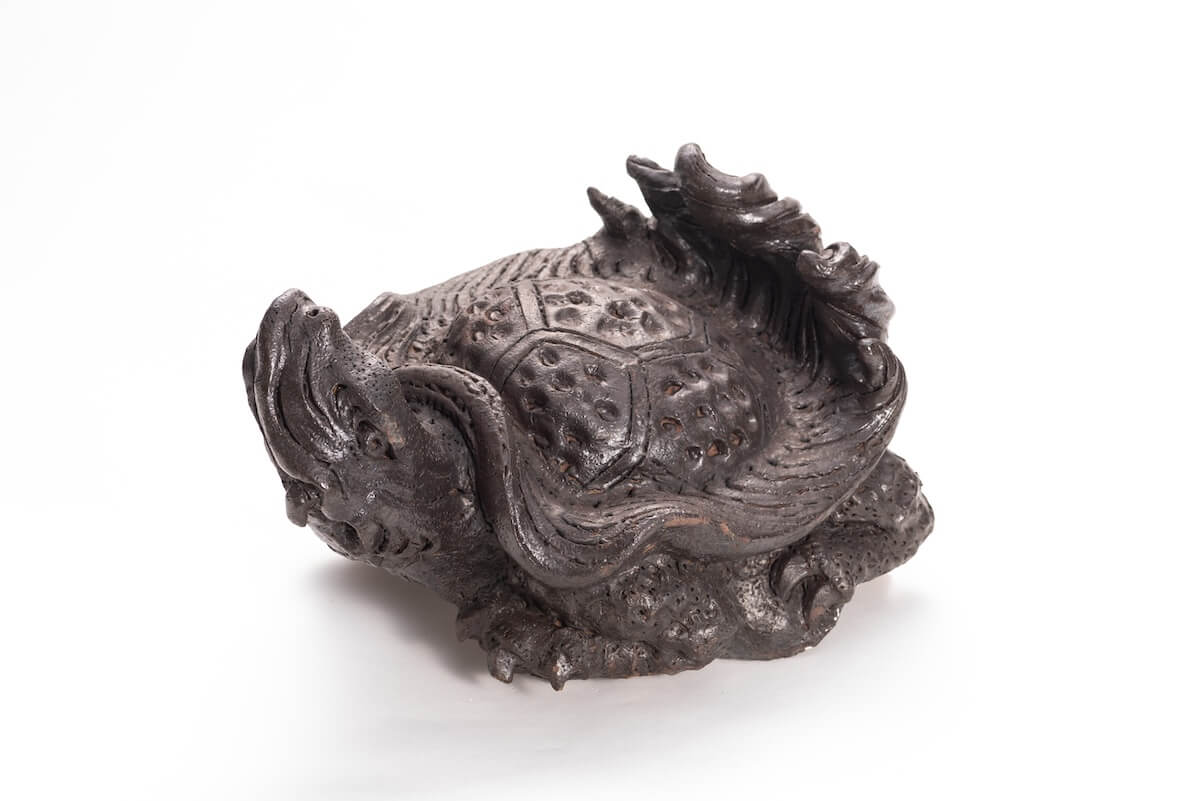
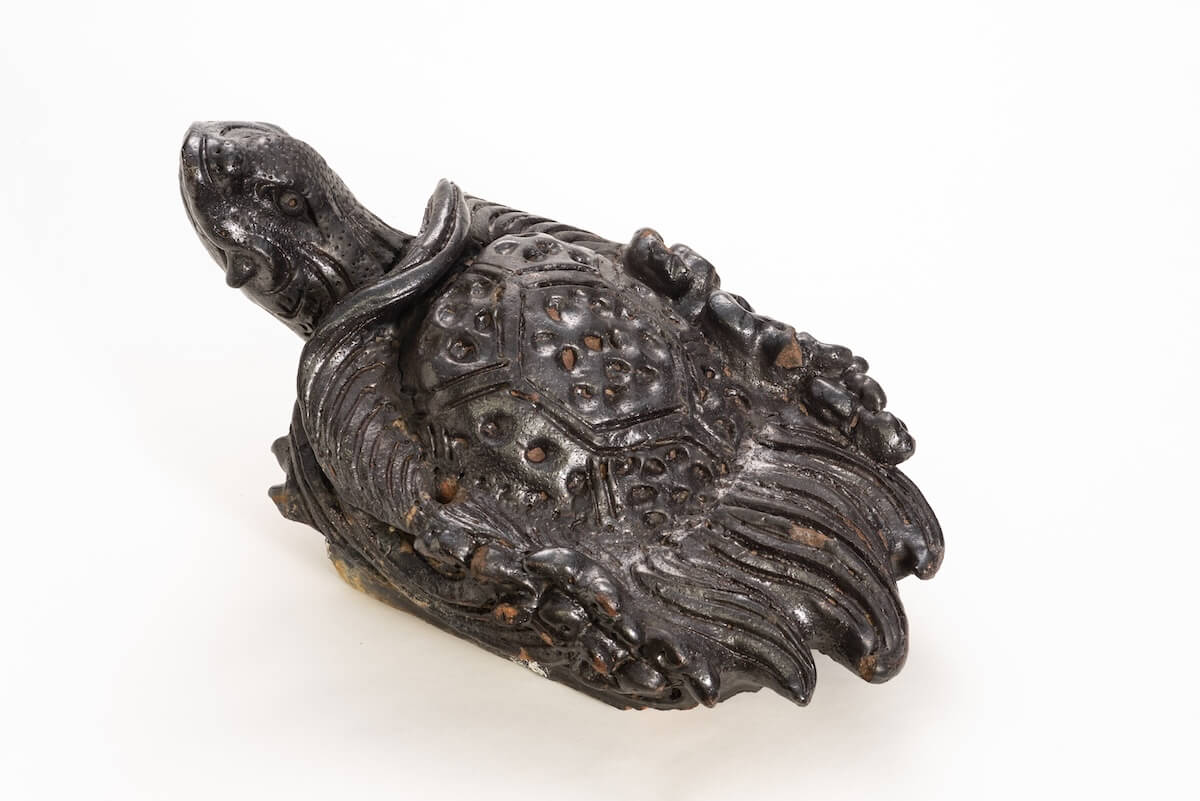
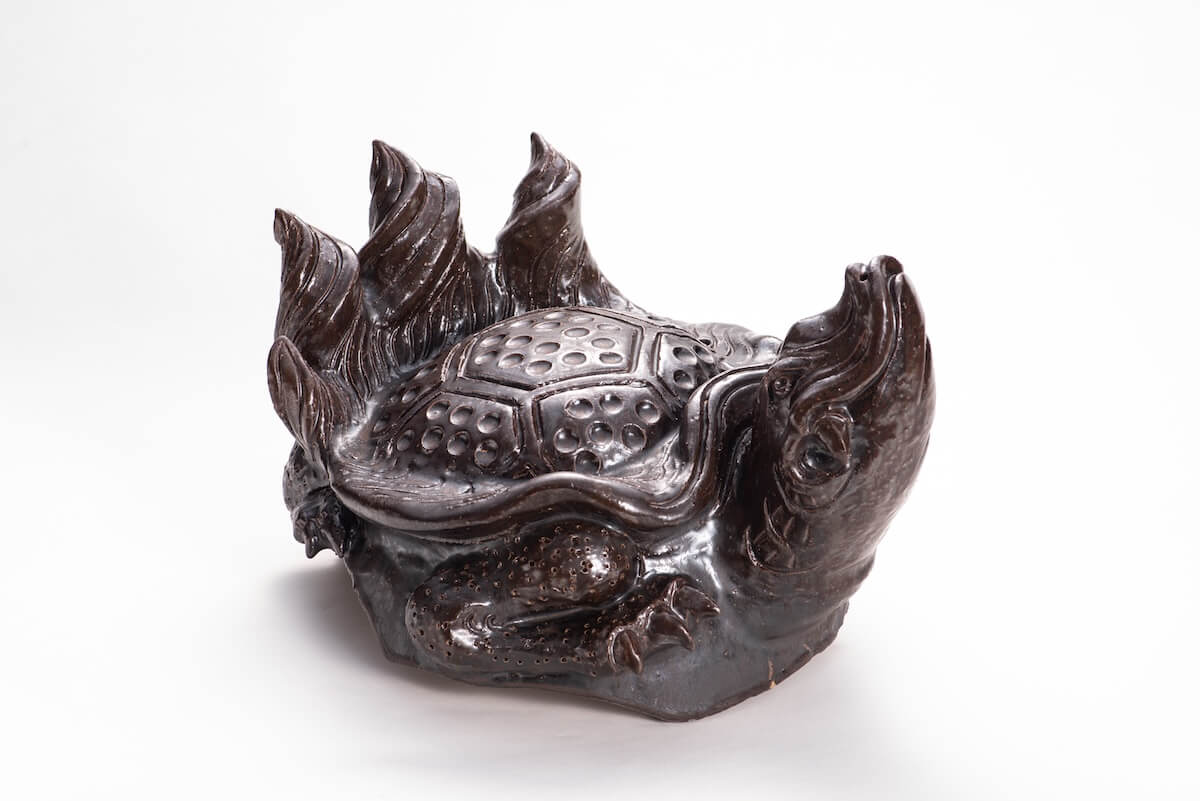
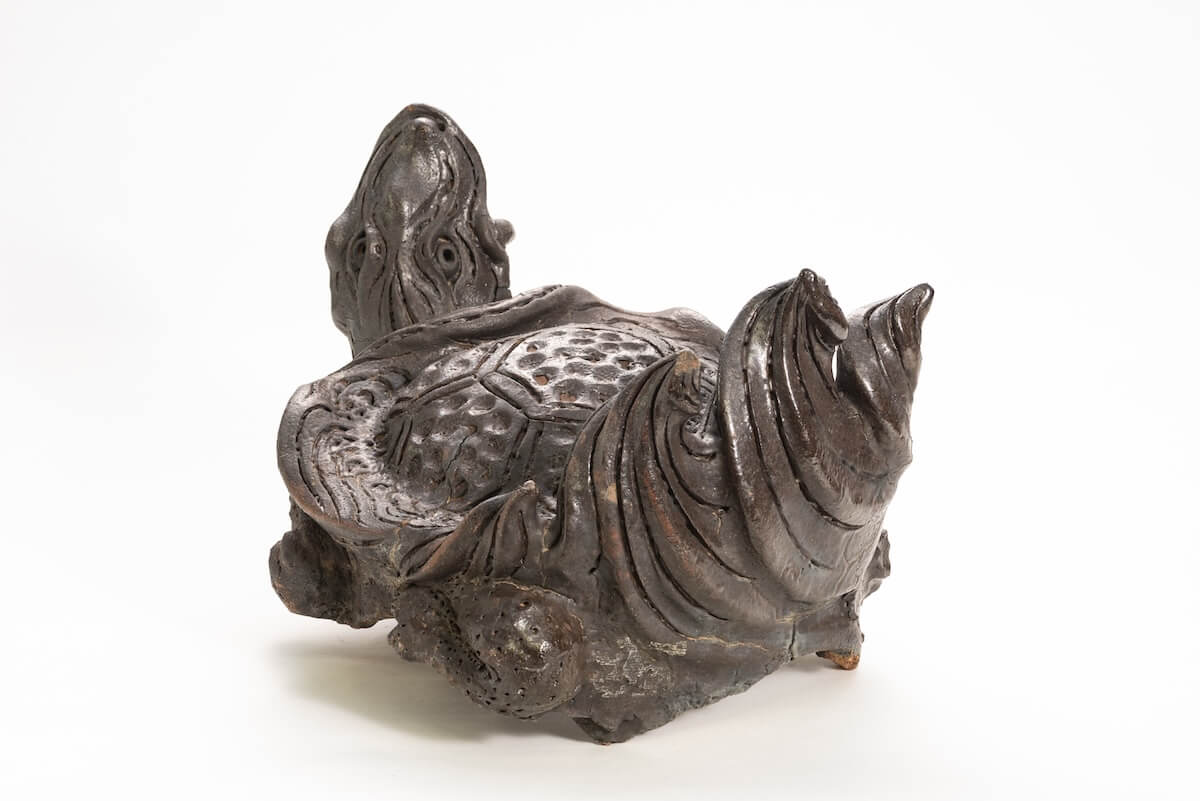
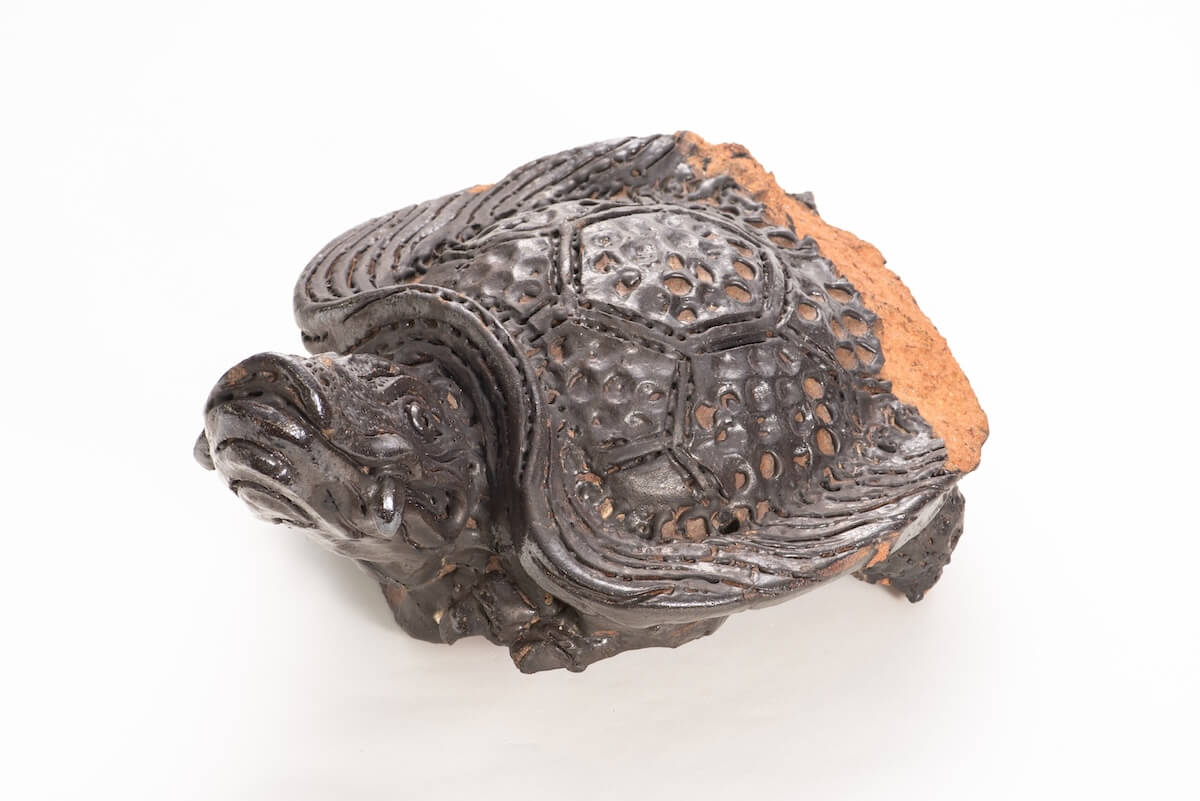
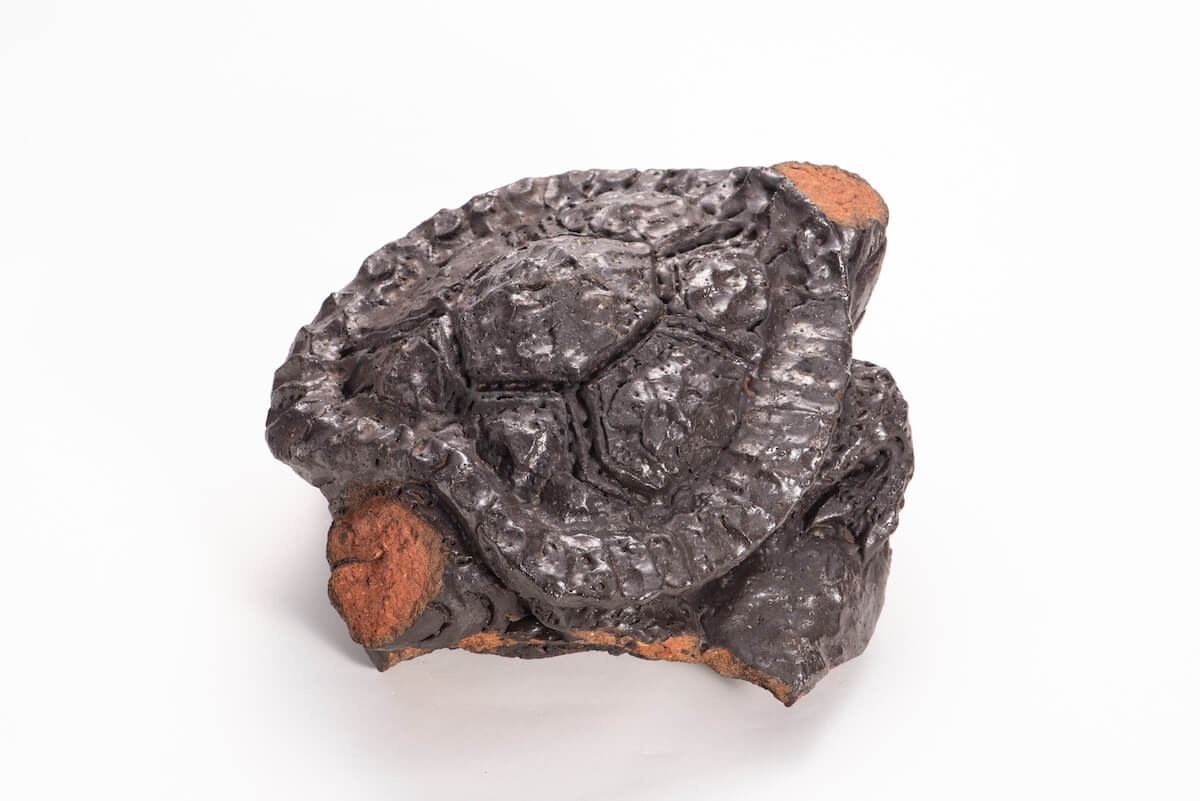
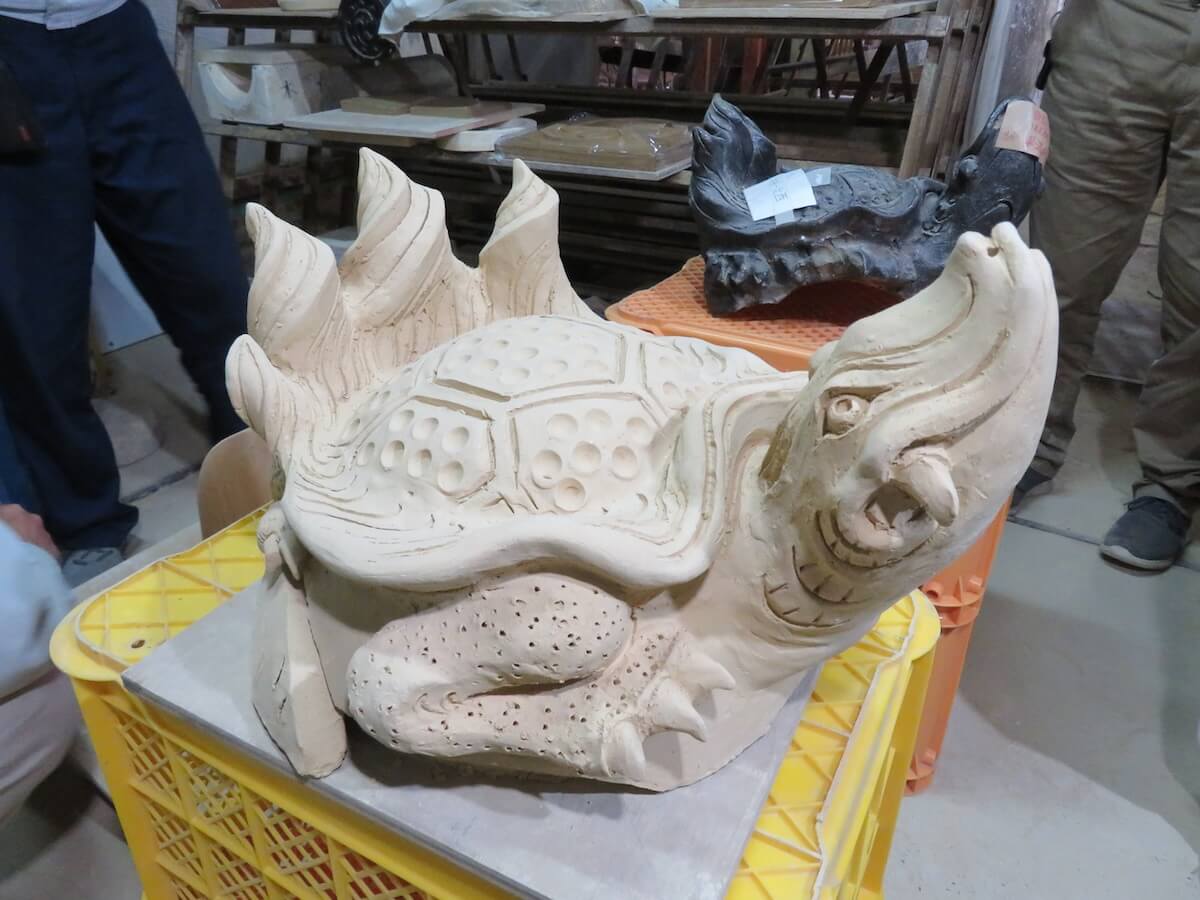
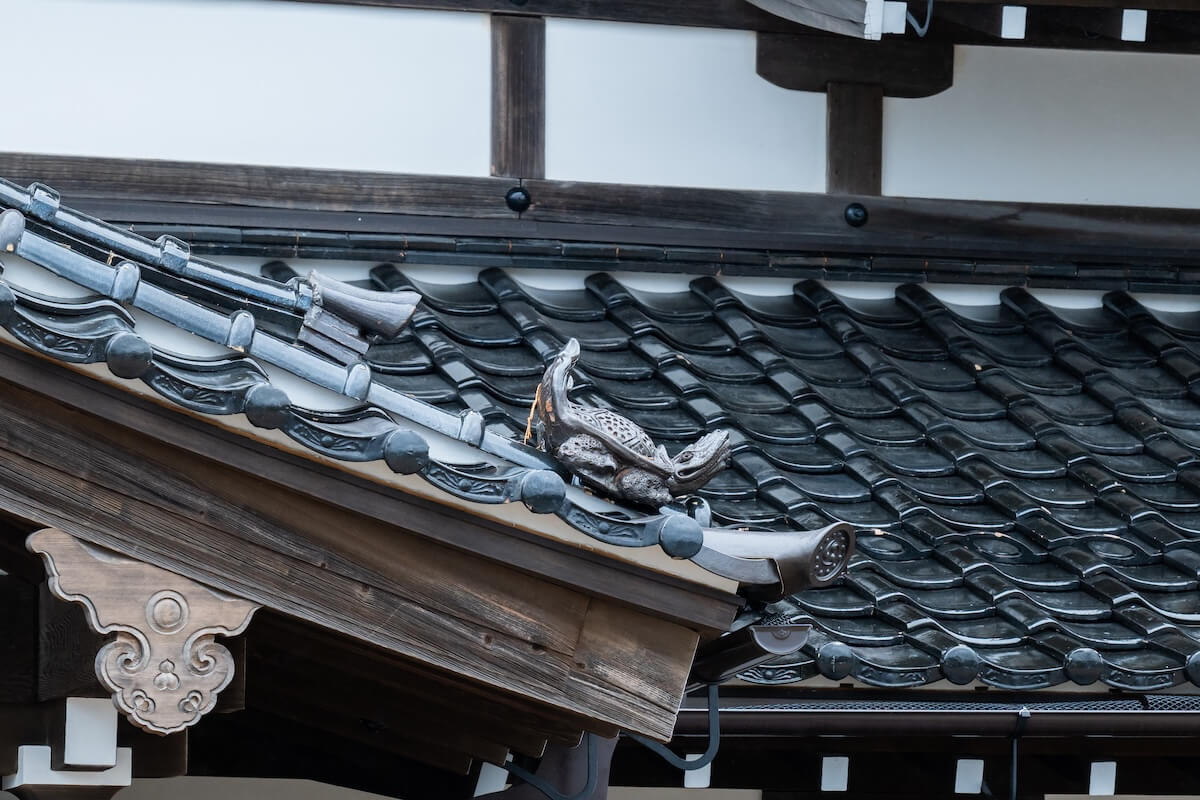
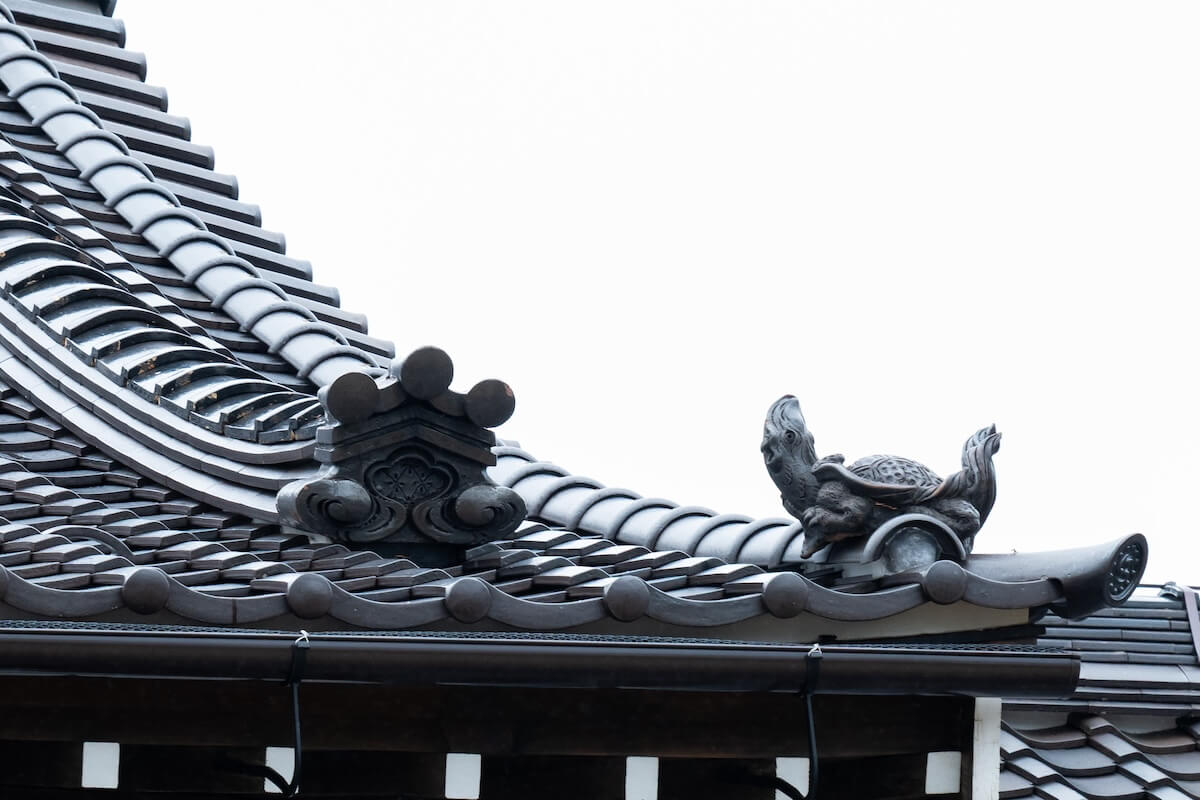
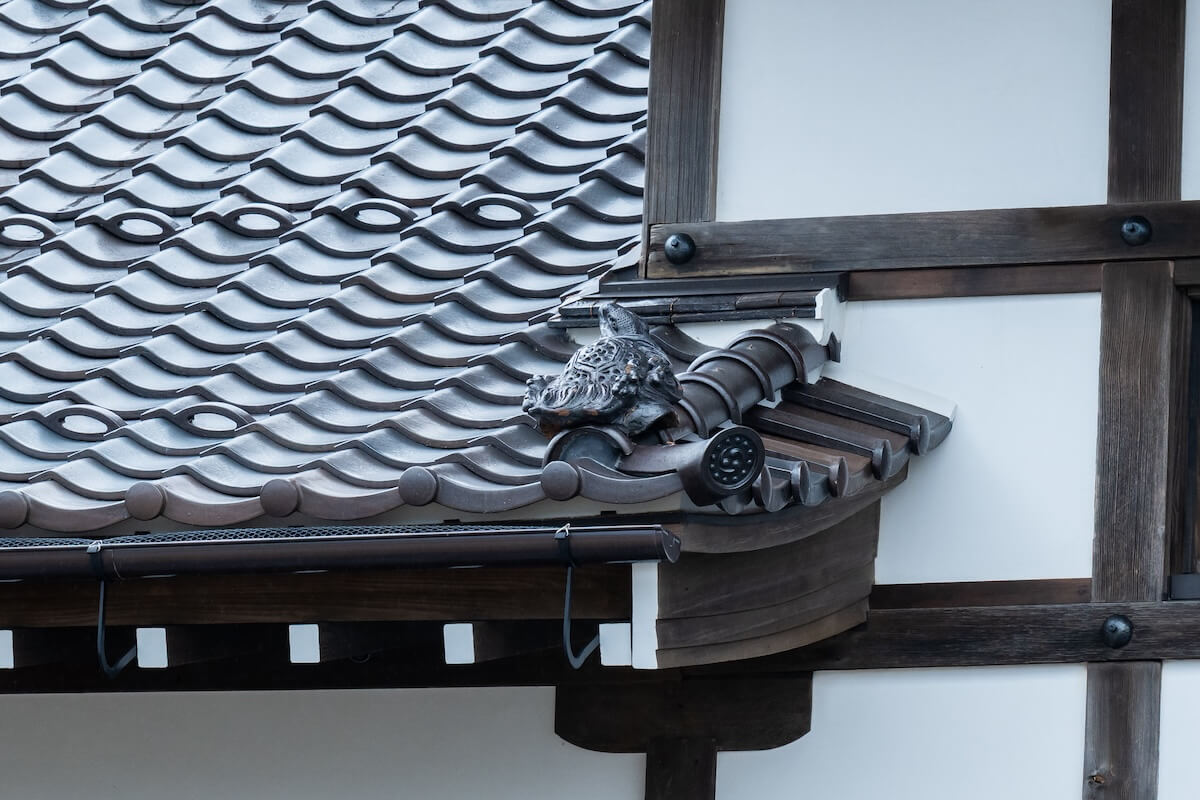
The tomebuta ridge-tile end cap used here take the shape of turtles with humorous expressions. They are based on the form of minogame, a turtle with long, straw-like hair extending from its tail. Variations in the legs, hair, and facial expressions give each of the ten figures their own unique character.
Shibi
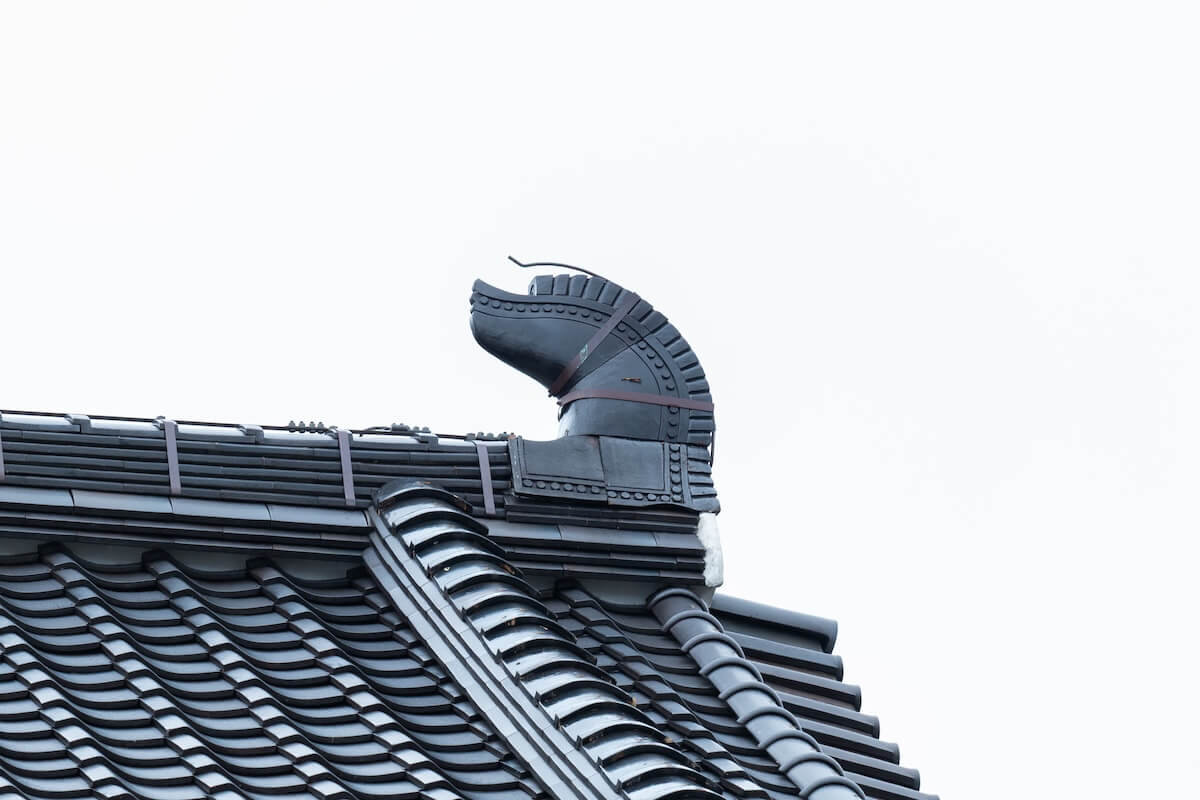
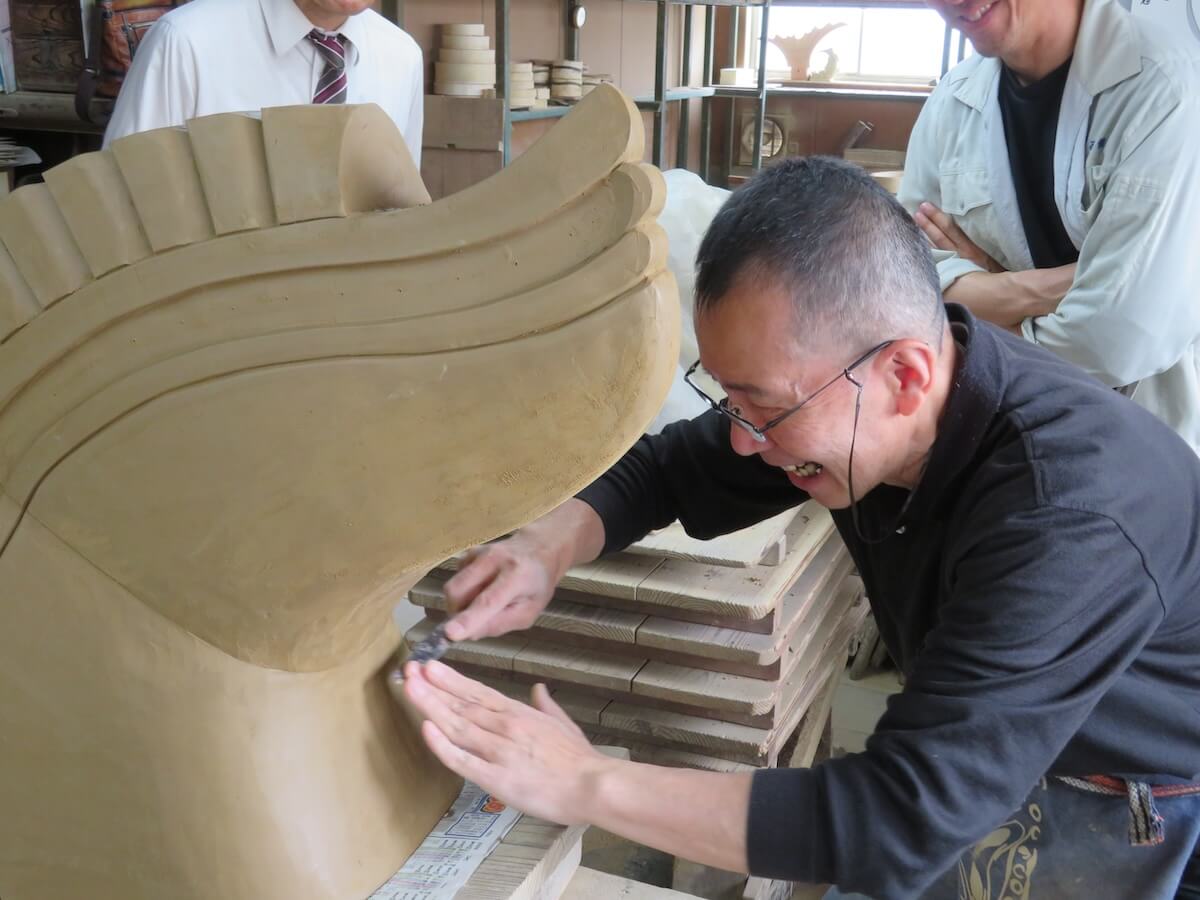
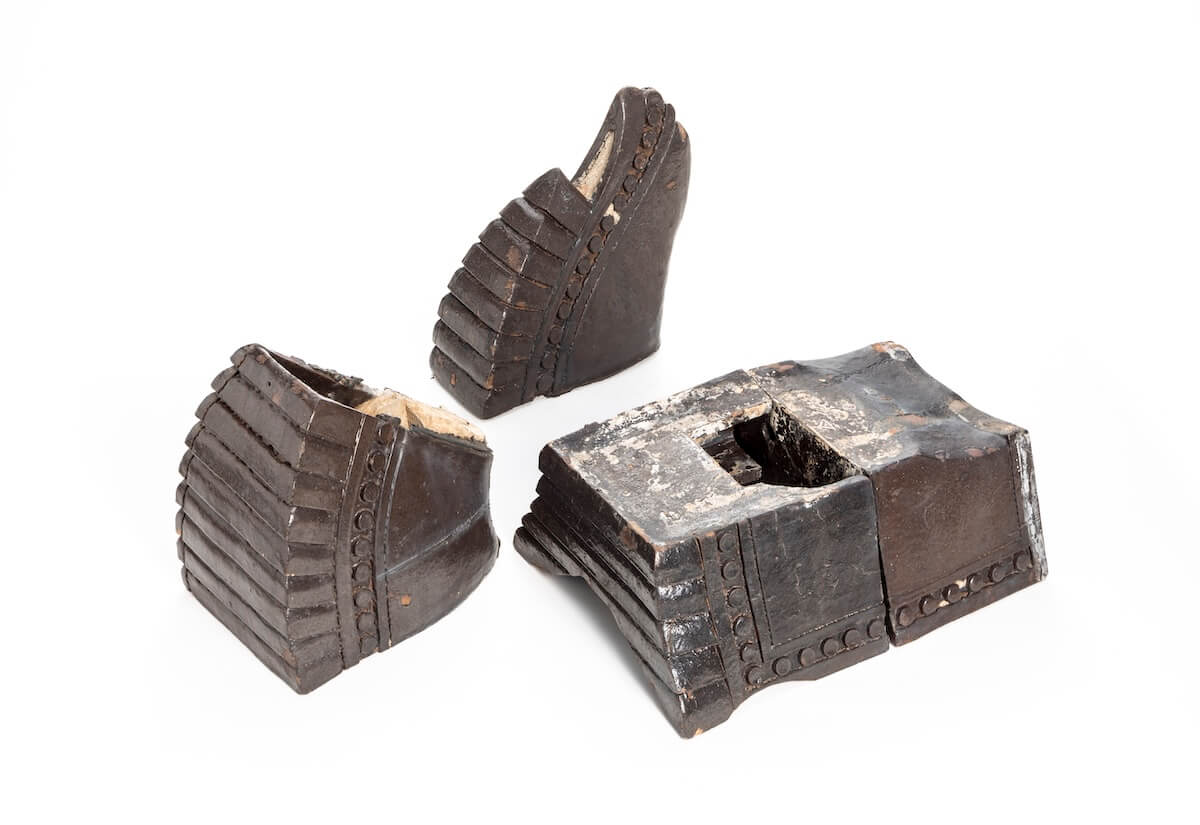
Kaerumata
Irimoya Roof
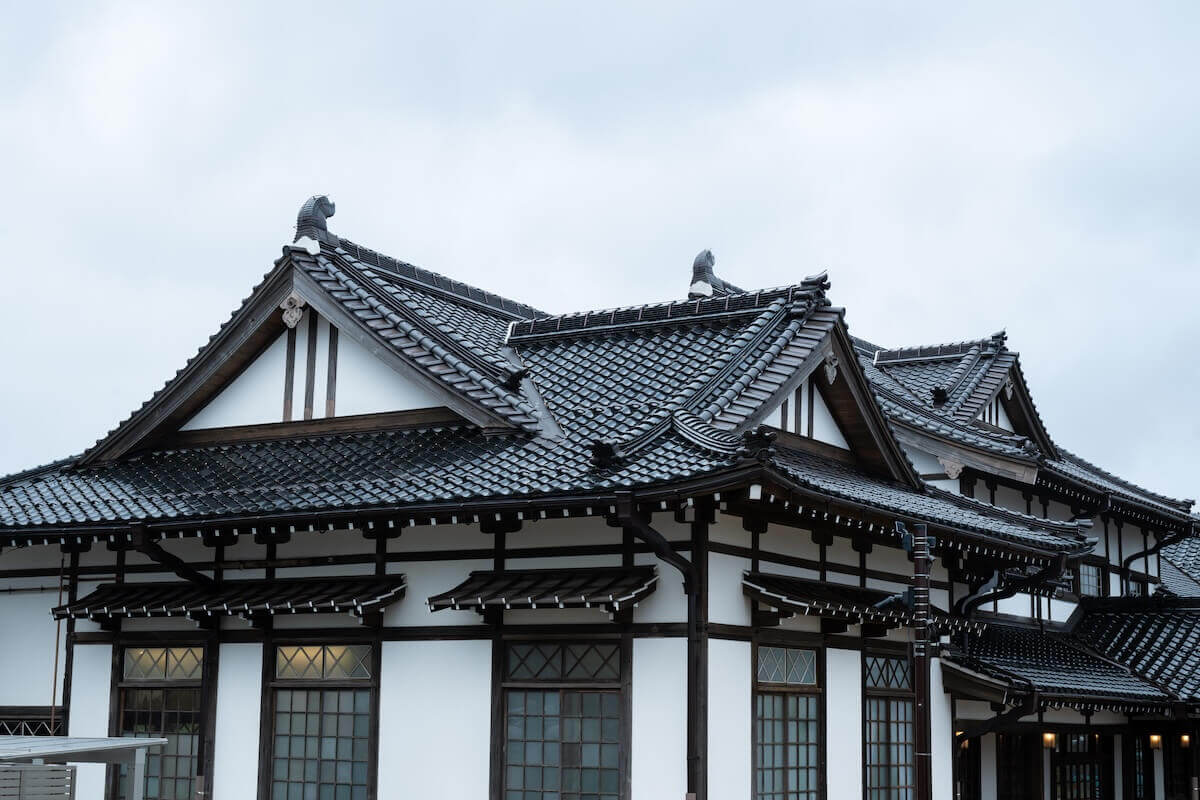
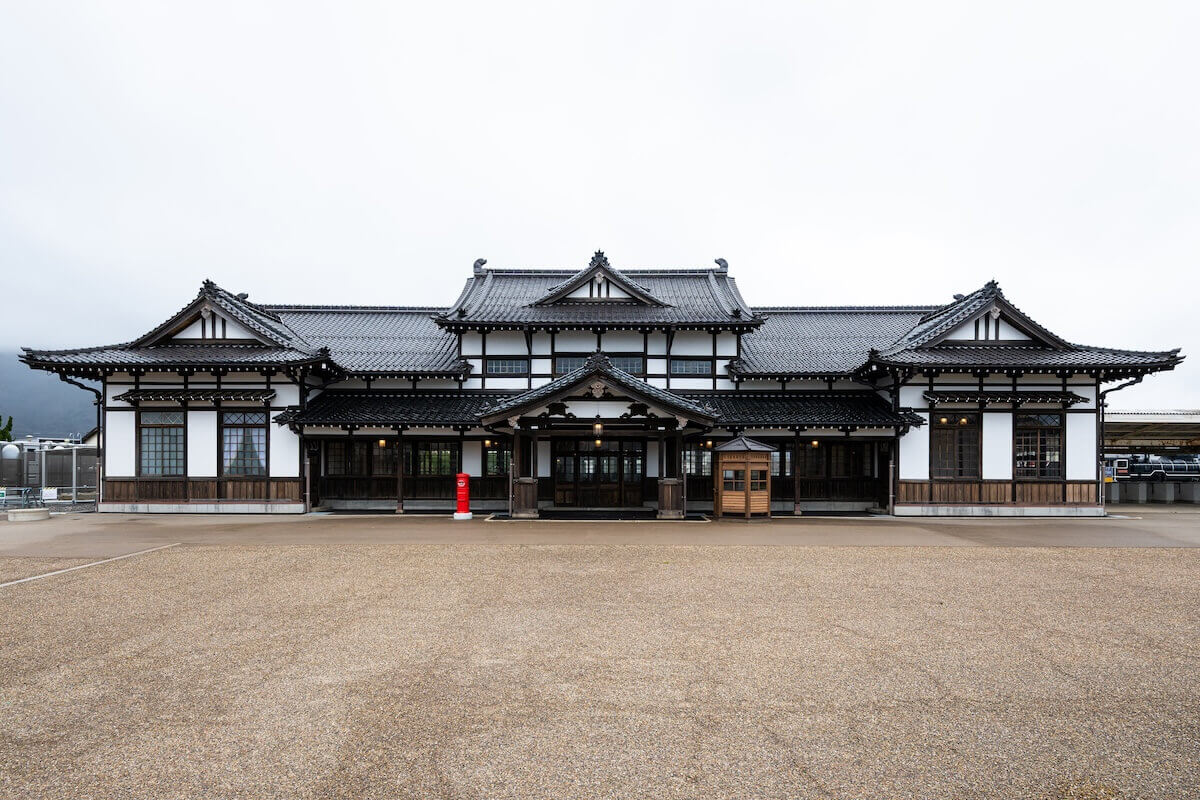
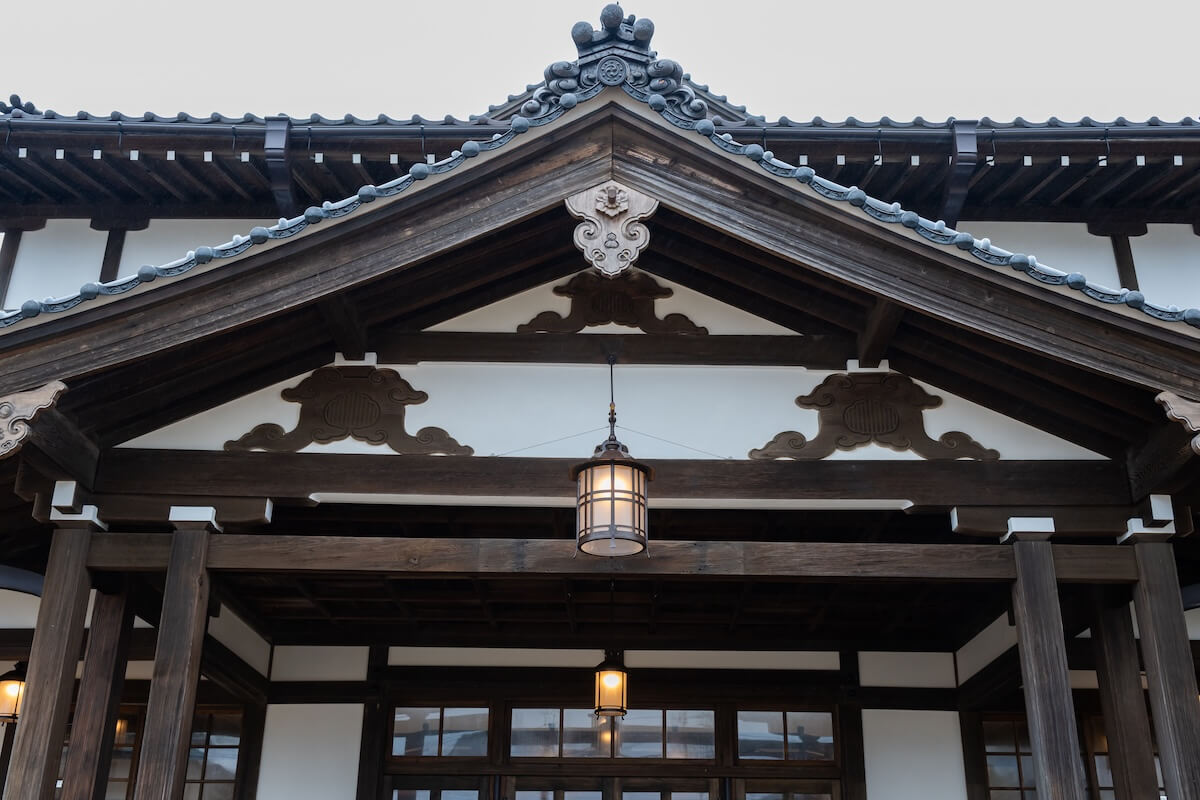
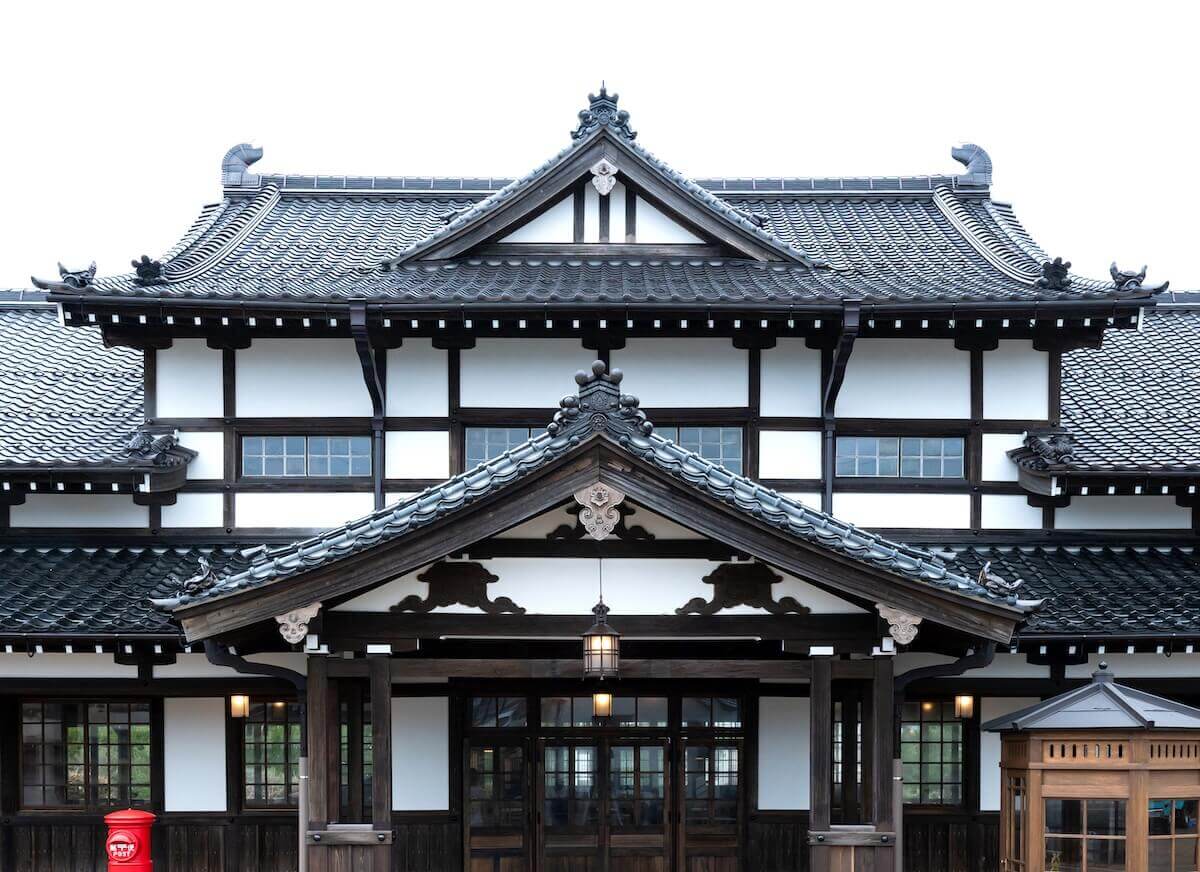
The central section extends outward with irimoya hip-and-gable roofs on both sides, forming a symmetrical composition along the north–south axis. A shorter, projecting irimoya roof on the front creates a layered and imposing exterior appearance.
Kirizuma Roof
Traditional Craft: Doibuki
Gable Decorations
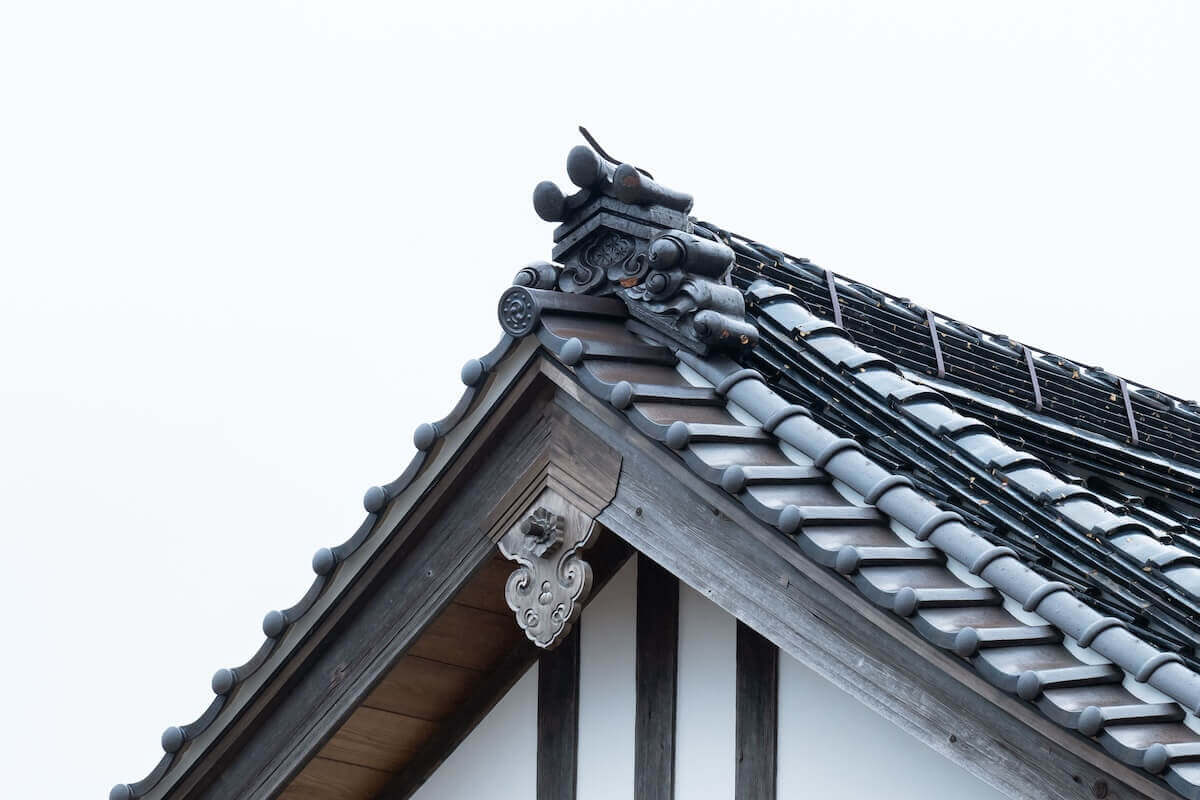
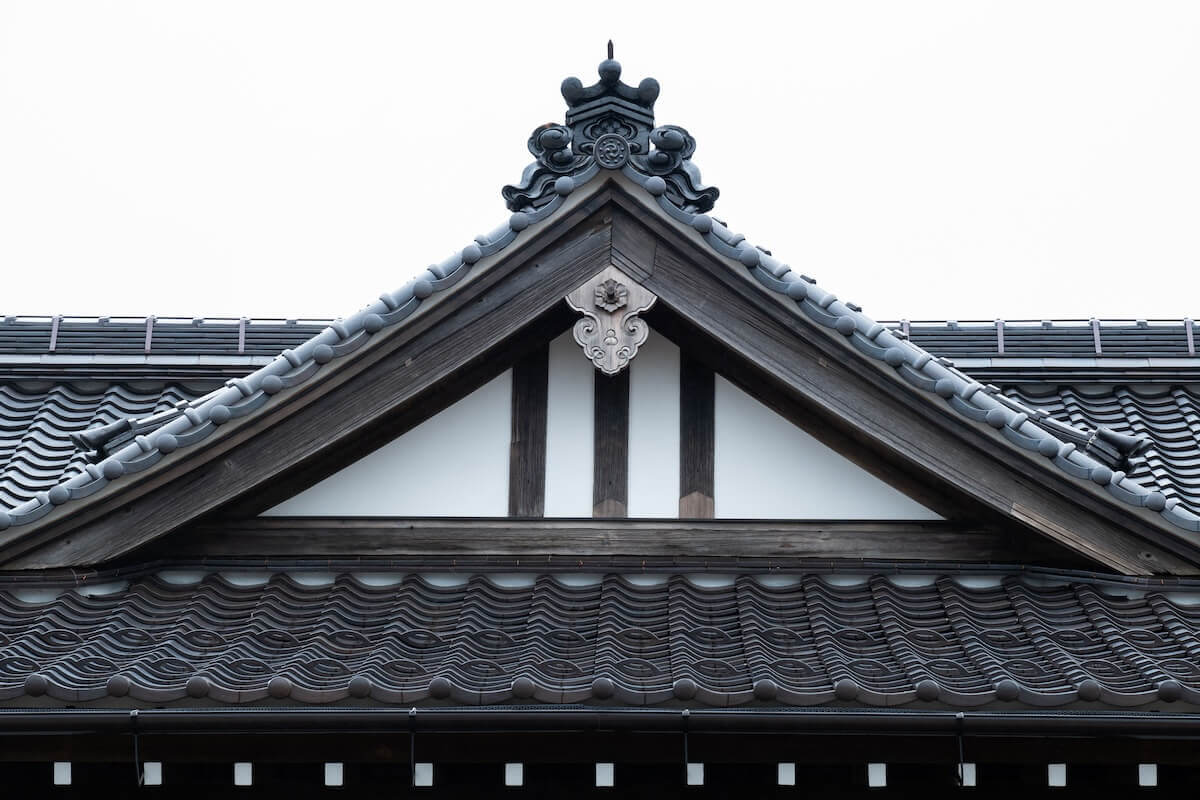
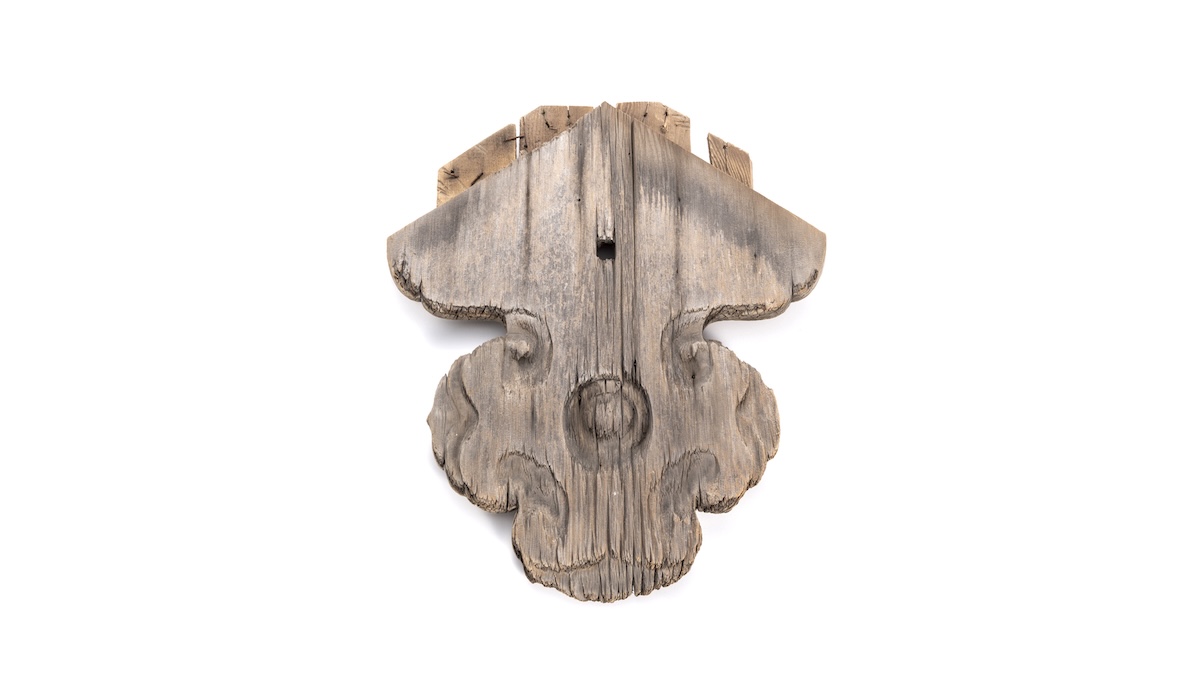
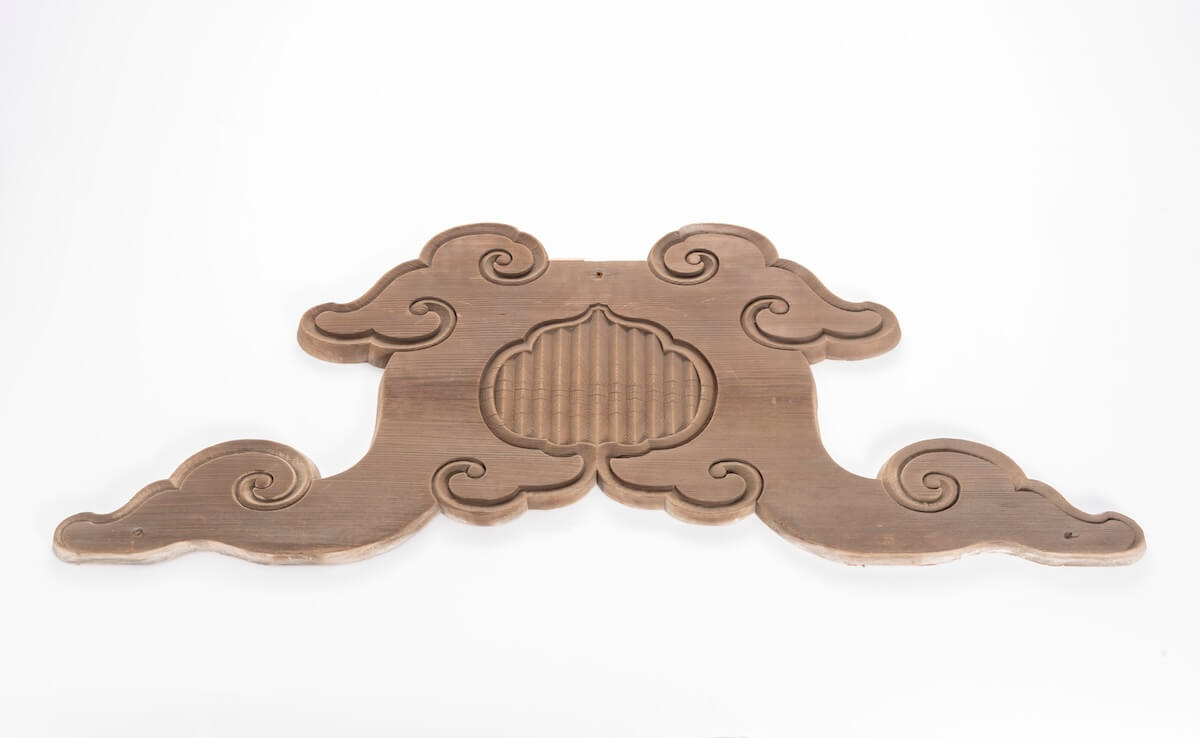
In Japanese architecture, “hafu” refers to the edge of the roof along the gable side. The bargeboard attached to this edge secures the end of the roof, stabilizing the structure while also preventing rainwater from entering the attic.
These elements are often decorated with features such as carved gegyo decorative plaques typically carved with stylized fish or floral motifs, giving the building a sense of elegance and grandeur. Variations such as irimoya, kirizuma, and chidori gables also play an important role in expressing the building’s grace and dignity.
Former Taisha Station Access Information
Access
- Location:
- Shimane Prefecture, Izumo City, Taisha-cho, Kitaaraki 441-3
- Opening hours:
- 9:00–16:30
- Closed:
- Wednesday
(If Wednesdayday is a public holiday, then the station will be closed the following day instead)
- TEL:
- 0853-53-5055
- Parking:
- Space for 70 vehicles
- Closed / Temporarily Closed
- Event
- Admission free
Welcome Visitors!
To ensure a safe and comfortable experience at the Important Cultural Property, Former Taisha Station, please review the following:
-
Restrooms
As the building has been faithfully restored to its early Showa-era design, there are no restrooms inside.
Please use the facilities located in the nearby Multipurpose Building. -
Accessibility & Facilities
We offer the following amenities to make the station accessible and comfortable for everyone:
・AED on site
・Ostomate-friendly facilities
・Diaper changing station
・Ramp access at the entrance
・Nursing space
・Western-style restrooms
・Wheelchair rental available -
Visitor Guidelines
- No Open Flames
- Open flames are strictly prohibited anywhere on the premises to protect this historic property.
- No Smoking
- Smoking is not permitted anywhere in the building or on the grounds.
- Animals
- For the protection of this historic site, pets must be kept in a cart, cage, or carrier at all times while inside the building.
Certified assistance dogs are welcome.
We kindly ask all visitors to help preserve these cultural treasures by treating them with the utmost care.
-
Additional Information
Strollers are permitted inside the building. You are also welcome to leave them at the reception desk.
| Adults(ages 13+) | ¥300 |
|---|---|
| Children(ages 6–12) | ¥150 |
| Young children(under 6) | Free |